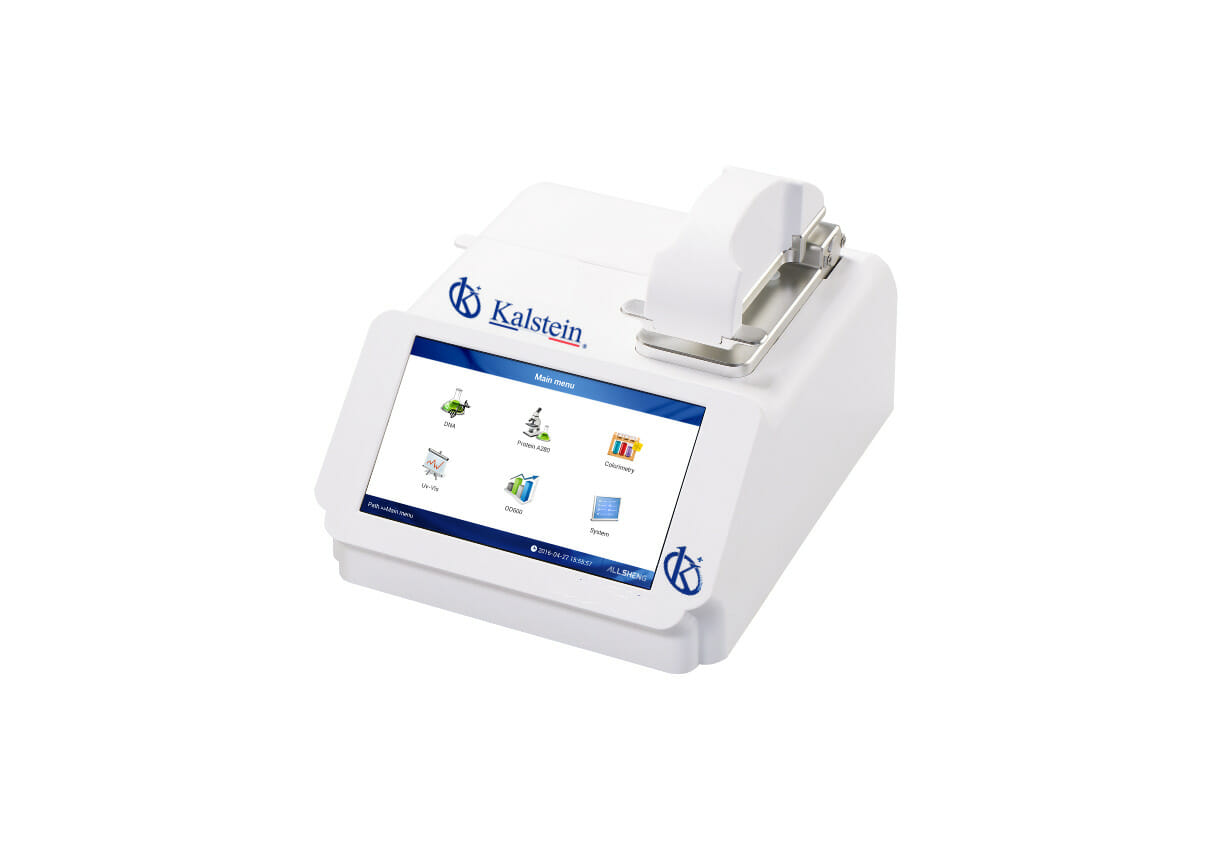
Miniaturization and Portability in Field Laboratory Micro-Spectrophotometers
The rapid evolution of laboratory technologies has led to the increasing demand for equipment that combines functionality with portability. Micro-spectrophotometers, in particular, have gained prominence due to their ability to deliver accurate results with minimal sample volumes. As laboratories seek to operate in diverse environments, understanding the miniaturization trends and practical applications of these devices becomes crucial for laboratory professionals.
Understanding Miniaturization and Portability Trends
Miniaturization in laboratory equipment refers to the design and engineering process that reduces the size and weight of devices while maintaining or enhancing their performance. In the context of micro-spectrophotometers, this trend allows for greater mobility, making it possible to conduct analyses in field settings where traditional, larger spectrophotometers may not be practical.
Portability, on the other hand, emphasizes the ease of transport and operation of laboratory instruments in various locations. These characteristics are especially important for field laboratories that often operate in remote or dynamic environments. Micro-spectrophotometers now come equipped with features that facilitate their use outside conventional lab settings, such as battery operation and rugged designs.
Advantages of Miniaturization in Micro-Spectrophotometers
Among the primary advantages of miniaturization in this subcategory are improved energy efficiency, reduced reagent consumption, and increased ease of use. As these devices become smaller, they can be designed to consume less power, thus extending battery life and reducing the carbon footprint associated with laboratory activities.
Furthermore, the ability to work with micro-volumes (often as low as 1-2 µl) not only minimizes waste but also allows for more samples to be processed in a shorter timeframe. This is particularly advantageous in research fields where sample availability may be limited, such as environmental studies or clinical diagnostics.
Field Applications of Micro-Spectrophotometers
Micro-spectrophotometers have found applications across a diverse range of fields, including molecular biology, biochemistry, and environmental science. Their ability to quickly measure concentrations of nucleic acids and proteins makes them invaluable tools in research and diagnostics.
Field laboratories, such as those conducting environmental assessments, benefit significantly from portable spectrophotometers that can operate in challenging conditions. For example, the YR06033-1 model is equipped with a user-friendly interface and a robust design that allows it to be operated effectively in various outdoor settings.
Comparison of Available Models
| Model | Minimum Sample Size (µl) | Wavelength Range (nm) | Price (USD) | Best For |
|---|---|---|---|---|
| YR06033-1 | 0.5-2.0 | 200-800 | 5040.00 | General microanalysis |
| YR06034 | 1-2.0 | 260, 280 | 2520.00 | Nucleic acid detection |
| YR06035 | 0.5-2.0 | 200-800 | 6090.00 | Advanced cellular analysis |
Common Mistakes and How to Avoid Them
When selecting a micro-spectrophotometer, laboratories often overlook the importance of understanding their specific needs and operating conditions. A common mistake is opting for a model based solely on price rather than considering the technical specifications that best suit their applications.
To avoid this, it's essential to assess factors such as required sample volume, wavelength range, and the environment in which the device will be used. For instance, the YR06034 is ideal for labs needing to conduct quick nucleic acid quantifications with minimal sample sizes, while the YR06035 provides advanced features for more extensive analyses.
Frequently Asked Questions
What are the benefits of using portable micro-spectrophotometers in field settings?
Portable micro-spectrophotometers, such as the YR06033-1, offer significant advantages including reduced sample volume requirements and the ability to operate in various environmental conditions. They enhance field research efficiencies by allowing rapid analysis directly in the field.
How do I choose the right micro-spectrophotometer model for my laboratory?
When selecting a micro-spectrophotometer, consider aspects like the sample sizes needed, the wavelength range required for your applications, and the portability features. Models like YR06035 offer advanced capabilities for users who require versatile functionalities in the lab and field.
What is the wavelength range of micro-spectrophotometers available in the market?
Micro-spectrophotometers like the YR06033-1 feature a wavelength range of 200-800 nm, suitable for various applications in molecular biology and biochemistry, making them adaptable for multiple analytical needs.
What sample volume is required for accurate measurements with micro-spectrophotometers?
Micro-spectrophotometers generally require a minimum sample volume of 0.5-2.0 µl. For example, the YR06034 can measure nucleic acids with just 1-2 µl, facilitating efficient usage of precious samples.
How do micro-spectrophotometers enhance productivity in laboratories?
Micro-spectrophotometers enhance laboratory productivity by reducing analysis time and sample requirements. For instance, the YR06035 can quickly measure nucleic acids, providing results in under 6 seconds, which is crucial for high-throughput environments.
What factors should I consider regarding the maintenance of micro-spectrophotometers?
Regular calibration is vital for ensuring accurate results from micro-spectrophotometers. Models like YR06034 require periodic calibration checks to maintain precision in absorbance measurements, ensuring reliability in laboratory data.
Why are micro-spectrophotometers essential for environmental testing?
Micro-spectrophotometers are crucial for environmental testing due to their ability to analyze small sample volumes swiftly. Models such as the YR06033-1 enable field labs to conduct on-site assessments, which is pivotal for timely environmental monitoring.
Conclusion
In conclusion, the trend towards miniaturization and portability in micro-spectrophotometers reflects a significant advancement in laboratory technology, enabling more efficient field research and analysis. Each model, from the comprehensive capabilities of the YR06035 to the specialized functions of the YR06034, presents unique advantages tailored to specific laboratory requirements. As laboratories continue to evolve, embracing these portable solutions will not only enhance productivity but also expand the horizons of scientific exploration in various fields.
If you are looking for a fusion of innovation and quality, you have come to the right place. At Kalstein, we offer you the luxury of exploring our exclusive catalog of laboratory equipment. We manufacture every device to the highest standards of excellence. Our intuitive and seamless online purchasing channels are designed for your convenience, securing the most competitive prices. Hesitate no longer — we bring science to life, it is time to become part of our community.