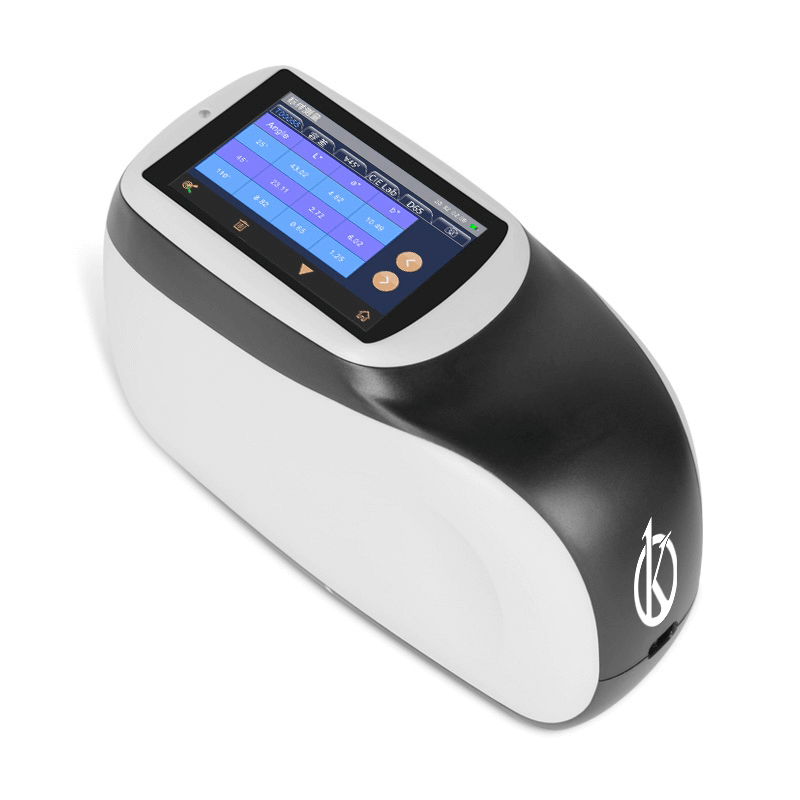
How Can Multi Angle Spectrophotometers Enhance Energy Sustainability and Reduce Environmental Footprint?
In modern laboratories, the focus on energy sustainability and reducing environmental impact is more critical than ever. Multi Angle Spectrophotometers (MAS) are integral in achieving these goals within various industries, particularly in color measurement. By adopting advanced measurement technologies, these instruments not only offer precision in results but also contribute to sustainable laboratory practices.
Understanding Multi Angle Spectrophotometers
Multi Angle Spectrophotometers are designed to provide accurate color measurements from different angles, which is essential in applications such as paint, textile, and plastic industries. They operate by measuring how light interacts with a sample's surface, which is pivotal for quality control and product development. Models like the YR05491 and YR05492 excel in efficiently conducting these tasks while aligning with sustainability goals.
Energy Consumption and Sustainability in Laboratories
Energy consumption in laboratories is a significant contributor to their overall environmental footprint. Multi Angle Spectrophotometers are designed with energy efficiency in mind. For instance, the YR05488 and YR05490 models use optimized lighting systems that minimize power usage while maintaining measurement quality. This focus on efficiency aids laboratories in reducing their overall energy consumption significantly.
Comparison of Energy Consumption Among Models
| Model | Energy Consumption (kWh/run) | Measurement Angles | Price (USD) |
|---|---|---|---|
| YR05491 | 0.5 | 8 | 8730.00 |
| YR05492 | 0.7 | 12 | 13492.00 |
| YR05488 | 0.4 | 3 | 2857.00 |
| YR05489 | 0.6 | 5 | 4762.00 |
| YR05490 | 0.5 | 3 | 6032.00 |
Lifecycle Assessment of Multi Angle Spectrophotometers
The lifecycle of laboratory instruments plays a crucial role in their environmental impact. From manufacturing to disposal, each phase can contribute significantly to an overall carbon footprint. Multi Angle Spectrophotometers like the YR05491 and YR05488 are designed to minimize waste during production and are built for longevity, which is a key factor in reducing their environmental impact.
Waste Management Practices
Implementing efficient waste management practices is vital in laboratories to promote sustainability. Multi Angle Spectrophotometers aid in reducing reagent waste by optimizing measurement techniques, ensuring that minimal resources are used without sacrificing quality. This not only saves costs but also positively impacts the environment.
Impact on Laboratory Operations
Integrating Multi Angle Spectrophotometers into laboratory operations can lead to significant improvements in sustainability metrics. These instruments allow for more efficient workflows, reducing the energy and time required for color analysis. For example, using the YR05492 model can enhance throughput while ensuring accurate measurements, thereby reducing operational costs and energy consumption.
Optimizing Operational Efficiency
Operational efficiency can be enhanced through improved measurement protocols and faster analysis times. By utilizing models such as the YR05490, laboratories can minimize run times and increase sample throughput, directly contributing to energy savings and reduced environmental impact.
Comparison of Available Models
| Model | Measurement Geometry | Compliance Standards | Best For |
|---|---|---|---|
| YR05491 | 8 angles (6 light sources, 2 receivers) | ASTM, ISO | Paint and coatings |
| YR05492 | 12 angles (7 light sources, 2 receivers) | ASTM, ISO | Advanced color measurement |
| YR05488 | 3 angles (3 light sources, 1 receiver) | ASTM, ISO | Basic color analysis |
| YR05489 | 5 angles (5 light sources, 1 receiver) | ASTM, ISO | Intermediate color measurement |
| YR05490 | 3 angles (3 light sources, 1 receiver) | ASTM, ISO | Field testing |
Common Mistakes and How to Avoid Them
When adopting Multi Angle Spectrophotometers, laboratories often encounter challenges that can impact their efficiency and sustainability goals. One common mistake is failing to select the right model for specific applications, which can lead to unnecessary energy use and inaccuracies. It is crucial to assess the laboratory's needs and choose a model that aligns with them, such as opting for the YR05488 for basic applications.
Understanding Calibration Needs
Neglecting calibration can lead to erroneous measurements and questionable results. Regular calibration of Multi Angle Spectrophotometers ensures accuracy and reliability, which is essential for meeting compliance standards. Implementing a calibration schedule will help maintain instrument performance and support sustainability efforts by minimizing waste associated with inaccurate testing.
Frequently Asked Questions
How do Multi Angle Spectrophotometers contribute to energy sustainability in laboratories?
Multi Angle Spectrophotometers, such as the YR05491, are designed to operate with low energy consumption, typically around 0.5 kWh per run. By optimizing light sources and reducing measurement times, they significantly lower energy use, thereby enhancing sustainability in laboratory operations.
What are the key features of the YR05492 for reducing environmental impact?
The YR05492 model offers advanced color measurement capabilities with 12 measurement angles, allowing for precise results without excessive reagent use. Its optimized energy consumption supports laboratories in achieving their sustainability goals while maintaining compliance with standards such as ASTM and ISO.
Which Multi Angle Spectrophotometer is best for minimizing waste in color analysis?
The YR05488 is ideal for minimizing waste in color analysis due to its efficient measurement protocols and low energy usage. With 3 measurement angles, it ensures accurate results while conserving resources, aligning with sustainability practices in laboratory settings.
How often should calibration be performed on Multi Angle Spectrophotometers?
Calibration should be performed regularly, typically at least once every six months, depending on usage. Ensuring models like the YR05490 are calibrated helps maintain measurement accuracy and supports sustainability efforts by reducing the likelihood of waste from incorrect tests.
What compliance standards do Multi Angle Spectrophotometers meet?
Multi Angle Spectrophotometers meet various compliance standards, including ASTM and ISO. For example, both the YR05491 and YR05492 comply with ASTM D 2244, ensuring they provide reliable results in color measurement while supporting sustainability objectives.
Which model is recommended for efficient operations in a paint analysis laboratory?
The YR05491 is highly recommended for paint analysis laboratories due to its 8 angle measurement capability and low energy requirements. This model effectively balances performance and sustainability, contributing to reduced operational costs and environmental footprint.
How do Multi Angle Spectrophotometers assist in lifecycle assessment?
Multi Angle Spectrophotometers assist in lifecycle assessment by providing precise measurements that help in evaluating sustainability impacts throughout a product's lifecycle. Models like the YR05488 offer insights that support better decision-making in materials sourcing and waste management.
What strategies can be implemented to enhance the sustainability of color measurement processes?
Strategies for enhancing sustainability include selecting energy-efficient models, like the YR05490, optimizing reagent use, and implementing regular calibration schedules. These practices contribute to reducing the overall environmental impact of color measurement processes in laboratories.
If you are looking for a fusion of innovation and quality, you have come to the right place. At Kalstein, we offer you the luxury of exploring our exclusive catalog of laboratory equipment. We manufacture every device to the highest standards of excellence. Our intuitive and seamless online purchasing channels are designed for your convenience, securing the most competitive prices. Hesitate no longer — we bring science to life, it is time to become part of our community.