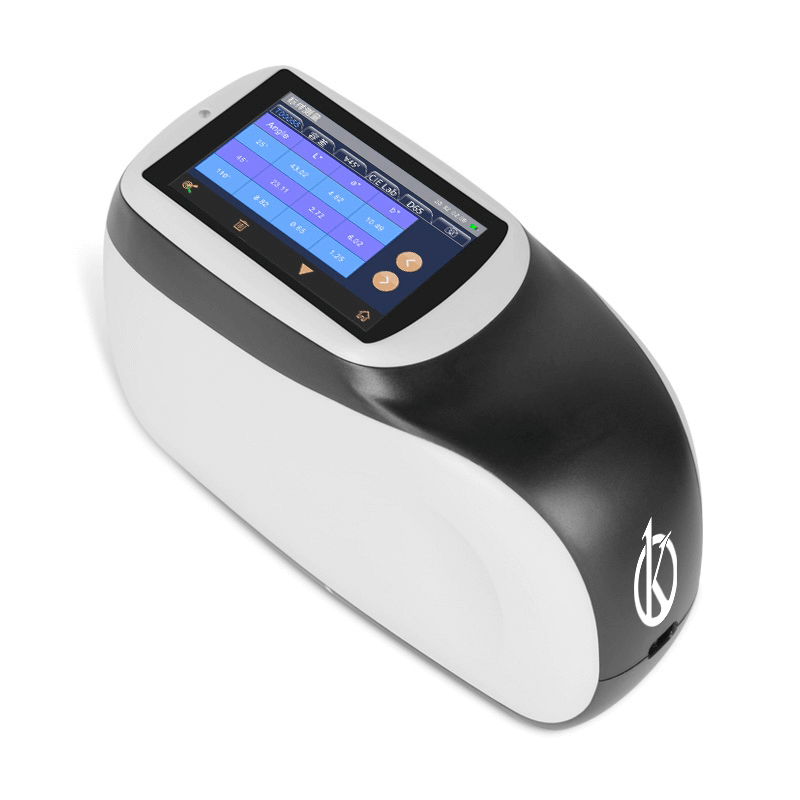
Multi-Angle Spectrophotometers: Integrating with LIMS and Data Flow Automation
In modern laboratories, the integration of Multi-Angle Spectrophotometers with Laboratory Information Management Systems (LIMS) is crucial. This integration not only enhances efficiency but also streamlines data flow, making laboratories more productive and reducing the risk of human error. This article explores various models of Multi-Angle Spectrophotometers and how they contribute to digital data management and automation.
Understanding Multi-Angle Spectrophotometers
Multi-Angle Spectrophotometers are essential tools in measuring color differences and optical properties of materials. They operate at multiple angles of illumination and detection, providing detailed colorimetric data critical for industries like coatings, plastics, and textiles. These instruments are adept at managing color variations which is vital for quality control and product consistency.
Benefits of LIMS Integration
Integrating Multi-Angle Spectrophotometers with LIMS enhances data management by ensuring that measurement results are automatically recorded and stored. This automation minimizes manual data entry errors and allows for easy retrieval and analysis of data. Additionally, LIMS can facilitate compliance with industry standards such as ISO 17025, ensuring that laboratories maintain high quality and accuracy in their measurements.
Key Connectivity Protocols for Integration
Essential connectivity protocols for integrating Multi-Angle Spectrophotometers with LIMS include ASTM, HL7, and RESTful APIs. Each protocol serves a specific purpose in facilitating data exchange, ensuring that spectrophotometer readings are accurately logged into the LIMS for further analysis and reporting. The choice of protocol will depend on the specific laboratory needs and existing infrastructure.
Comparison of Available Models
| Model | Measurement Geometry | Supported Protocols | Best For |
|---|---|---|---|
| YR05491 | 8 angles (6 light sources) | ASTM, ISO | High precision color measurement |
| YR05492 | 12 angles (7 light sources) | ASTM, ISO | Comprehensive color analysis |
| YR05488 | 3 angles (3 light sources) | ASTM, ISO | Standardized color measurement |
| YR05489 | 5 angles (5 light sources) | ASTM, ISO | Quality control in manufacturing |
| YR05490 | 3 angles (3 light sources) | ASTM, ISO | Basic color evaluation |
Common Mistakes and How to Avoid Them
One of the most common mistakes in integrating Multi-Angle Spectrophotometers with LIMS is improper configuration of data fields, leading to inaccurate data capture. Additionally, failing to train staff on new technologies can result in underutilization of system capabilities. To avoid these pitfalls, thorough training sessions and a well-defined integration protocol are essential.
Frequently asked questions
What are the key benefits of using a Multi-Angle Spectrophotometer in a LIMS environment?
Multi-Angle Spectrophotometers like the YR05491 enhance accuracy by automating data entry and facilitating regulatory compliance. Their integration with LIMS allows for streamlined workflows and better data integrity, critical for quality management in laboratories.
How does the YR05492 improve data flow in laboratories?
The YR05492, with its 12 angles of measurement, offers comprehensive data which, when integrated with LIMS, automates the data capture process. This integration ensures that all measurements are recorded efficiently, reducing time spent on manual entries.
Which protocols are essential for LIMS integration of Multi-Angle Spectrophotometers?
Protocols such as ASTM and HL7 are vital for ensuring seamless communication between Multi-Angle Spectrophotometers like the YR05488 and LIMS. They facilitate accurate data transfer and enhance the reliability of laboratory operations.
What challenges might arise during the integration process of Multi-Angle Spectrophotometers with LIMS?
Potential challenges include compatibility issues between the spectrophotometer and LIMS, improper setup of communication protocols, and resistance from staff to new technologies. Addressing these with thorough planning and training can mitigate risks.
How can laboratories ensure compliance with ISO standards using Multi-Angle Spectrophotometers?
Using models like the YR05489, which meet ASTM and ISO standards, ensures compliance. Proper LIMS integration helps maintain records and traceability, crucial for audits and quality assurance processes in laboratories.
What is the impact of data automation on laboratory workflows with Multi-Angle Spectrophotometers?
Data automation significantly reduces manual errors and increases throughput. For example, the integration of the YR05490 with LIMS allows for higher sample processing rates, thereby enhancing overall lab efficiency.
How does the choice of Multi-Angle Spectrophotometer affect laboratory digital transformation?
The choice of spectrophotometer, such as the YR05491, directly impacts how effectively a lab can digitize its workflows. Models that support robust LIMS integration facilitate smoother transitions into fully digital environments.
What are best practices for maintaining Multi-Angle Spectrophotometers in a LIMS setup?
Regular calibration, routine maintenance, and continuous training are best practices. Calibration schedules should be adhered to ensure that models like YR05492 operate at optimal levels, ensuring accurate data integration into LIMS.
If you are looking for a fusion of innovation and quality, you have come to the right place. At Kalstein, we offer you the luxury of exploring our exclusive catalog of laboratory equipment. We manufacture every device to the highest standards of excellence. Our intuitive and seamless online purchasing channels are designed for your convenience, securing the most competitive prices. Hesitate no longer — we bring science to life, it is time to become part of our community.