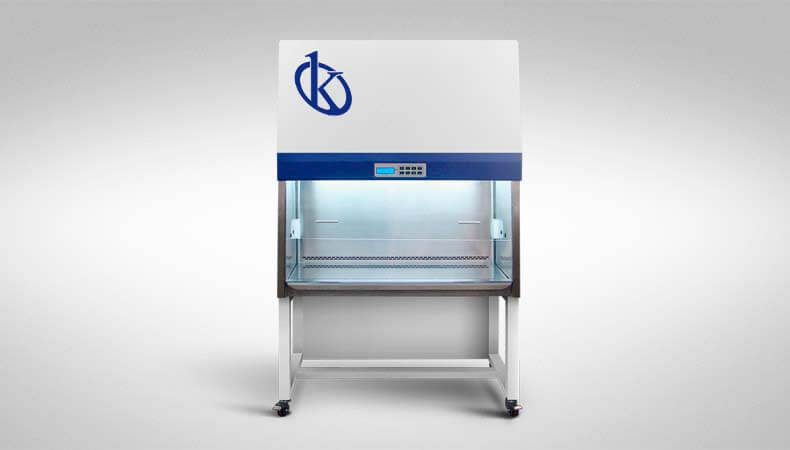
Understanding the Operating Principle and Scientific Foundation of the YR05270-1 Biosafety Cabinet
The YR05270-1 Biosafety Cabinet is a crucial piece of equipment in microbiological and biomedical laboratories. This article delves deep into its operating principles and scientific foundations, ensuring you understand how this sophisticated piece of lab equipment works.
Operating Principle of the YR05270-1 Biosafety Cabinet
The YR05270-1 operates on the principles of airflow control and filtration to provide a safe working environment for handling pathogenic materials. It utilizes a series of high-efficiency particulate air (HEPA) filters that remove contaminants from the air, ensuring that the workspace remains sterile.
At its core, the cabinet employs the CleanFlow™ Technology, which is designed to maximize airflow efficiency while minimizing turbulence. This technology includes a high-flow, low-energy fan system that directs air through a large-diameter inlet, creating a consistent and stable flow essential for effective containment.
Scientific Foundation: Airflow Dynamics
The airflow dynamics within the YR05270-1 are governed by fundamental principles of fluid mechanics. The cabinet's design promotes laminar airflow, which is crucial for preventing cross-contamination during laboratory procedures. The air is drawn through the HEPA filters at a speed of approximately 0.53 m/s for entry and 0.35 m/s for downward flow, creating a negative pressure environment that contains aerosols and particulates.
This controlled airflow is essential in maintaining the integrity of samples and protecting the health of laboratory personnel. The system’s design allows for a pressure differential that is monitored continuously to ensure that the cabinet is functioning within safe parameters.
Key Design Features of the YR05270-1
The YR05270-1 incorporates several innovative features that enhance its operational effectiveness:
- SAFELOGIC™ Leak-proof Technology: This design minimizes the risks of leaks by creating a plenum around the workspace, ensuring that contaminated gases are effectively contained.
- Microcomputer Control System: This integrated system allows for real-time monitoring of airflow, pressure levels, and filter life, providing operators with critical information at a glance.
- Ergonomic Design: The cabinet is designed for operator comfort, reducing fatigue during extended use, which is particularly important in busy laboratory environments.
Technical Data of the YR05270-1
| Parameter | Value |
|---|---|
| Model | YR05270-1 |
| Clean Rating | ISO 14644.1 CLASS 5 |
| Entry Speed | 0.53 m/s |
| Downflow Speed | 0.35 m/s |
| Noise Level | ≤65 dB |
| HEPA Efficiency | 99.995% |
| Dimensions (mm) | 2120×1035×740 |
| Power Consumption (W) | 300 |
| Net Weight (kg) | 175 |
Common Issues and Troubleshooting
Even with its advanced design, users may encounter issues when operating the YR05270-1. Knowing common symptoms and solutions can help maintain optimal performance.
| Symptom | Possible Causes | Solutions |
|---|---|---|
| Cabinet does not power on | Power source issue; faulty power cord | Check power supply; replace cord if necessary |
| Error code E-03 | Filter blockage; sensor malfunction | Inspect filters; clean or replace as needed |
| Inconsistent airflow readings | Fan issues; airflow obstruction | Examine fan operation; remove any obstructions |
Frequently Asked Questions
What is the purpose of the YR05270-1 Biosafety Cabinet?
The YR05270-1 is designed to provide a sterile environment for handling hazardous biological materials safely, minimizing exposure risks to laboratory personnel.
How does the airflow system in the YR05270-1 ensure safety?
The system uses a combination of HEPA filtration and laminar airflow to trap airborne particulates and ensure a consistent downflow of clean air into the workspace.
What maintenance is required for the YR05270-1?
Regular maintenance includes checking the HEPA filters, ensuring sensors are functional, and cleaning the interior surfaces to prevent contamination.
Can the YR05270-1 be used for all types of pathogens?
It is primarily designed for handling low to moderate risk biological agents as classified by the CDC. Higher risk pathogens may require different containment measures.
What are the recommended operating conditions for the YR05270-1?
The cabinet should operate in an environment with a temperature range of 10-30°C and relative humidity below 70%, free from noticeable dust or vibrations.
How often should I replace the HEPA filters in the YR05270-1?
It is recommended to assess filter conditions regularly, with replacement typically suggested every 6-12 months depending on usage.
What features make the YR05270-1 unique compared to other biosafety cabinets?
The YR05270-1 includes advanced features such as the CleanFlow™ Technology and SAFELOGIC™ leak-proof design, which enhance safety and operational efficiency.
For those interested in acquiring the YR05270-1, feel free to request a quote on Kalstein Plus.
If you are looking for a fusion of innovation and quality, you have come to the right place. At Kalstein, we offer you the luxury of exploring our exclusive catalog of laboratory equipment. We manufacture every device to the highest standards of excellence. Our intuitive and seamless online purchasing channels are designed for your convenience, securing the most competitive prices. Hesitate no longer — we bring science to life, it is time to become part of our community.