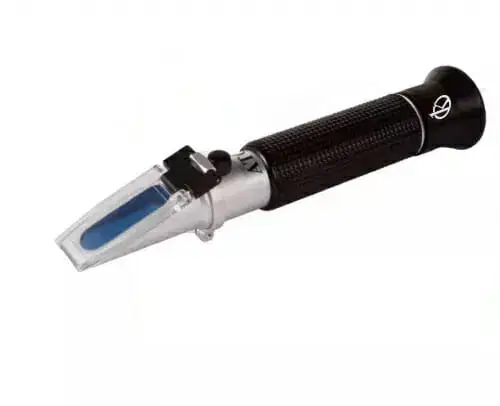
Ensuring Operator Safety and Biosecurity Protocols in Brix Refractometers
Brix refractometers are essential tools used in various fields, including viticulture and food production, to measure the sugar content in liquids. However, with the increasing importance of safety protocols, understanding and implementing biosecurity measures while using these devices is crucial. This article delves into effective biosecurity protocols and operator safety measures tailored specifically for Brix refractometers.
Understanding Biosecurity in the Laboratory Context
Biosecurity refers to the measures taken to prevent the introduction and spread of harmful organisms within a laboratory environment. For laboratories using Brix refractometers, implementing robust biosecurity measures ensures the safety of both operators and the integrity of samples. The protocols can vary depending on the specific use case, but the primary goal remains the same: to minimize risks.
Key Biosecurity Protocols for Brix Refractometers
The following biosecurity protocols are recommended to enhance operator safety when using Brix refractometers:
- Personal Protective Equipment (PPE): Operators should wear appropriate PPE, including gloves, lab coats, and safety goggles, to protect themselves from spills and exposure to liquids.
- Decontamination Procedures: Regularly decontaminating surfaces and equipment used for Brix measurements is essential to eliminate potential biological hazards.
- Aerosol Containment: During use, ensuring that aerosols are contained can significantly reduce the risk of exposure to airborne contaminants.
- Risk Assessment: Regular risk assessments should be conducted to identify potential hazards associated with Brix refractometer usage.
Training and Awareness for Laboratory Personnel
Ensuring that all laboratory personnel are adequately trained in biosecurity protocols is crucial. Training should cover the proper handling of Brix refractometers, emergency procedures, and the significance of following safety guidelines. By fostering a culture of safety and awareness, laboratories can minimize risks associated with biological hazards.
Comparison of Available Models
| Model Code | Measurement Range | Minimum Division | Accuracy | Best For |
|---|---|---|---|---|
| YR05872 | 0-5% Brix | 0.1 Brix | ± 0.10 Brix | Low concentration liquids |
| YR05873 | 0-10% Brix | 0.1 Brix | ± 0.10 Brix | Light juices |
| YR05874 | 0-18% Brix | 0.1 Brix | ± 0.10 Brix | Fruit juices |
| YR05875 | 0-20% Brix | 0.1 Brix | ± 0.10 Brix | Medium concentration liquids |
| YR05876 | 0-32% Brix | 0.1 Brix | ± 0.10 Brix | High sugar content liquids |
Common Mistakes and How to Avoid Them
Common mistakes when using Brix refractometers often stem from improper handling and lack of adherence to safety protocols. Here are some common pitfalls and strategies to avoid them:
- Inadequate Calibration: Regularly calibrating your refractometer is vital to ensure accurate readings. Use standard calibration solutions to maintain precision.
- Neglecting PPE: Always wear appropriate PPE to safeguard against accidental spills. This includes gloves and goggles, especially when dealing with unknown samples.
- Ignoring Cleaning Protocols: Failing to clean the refractometer after each use can lead to cross-contamination. Implement strict cleaning protocols between samples.
Frequently Asked Questions
What biosecurity measures should be implemented when using Brix refractometers in laboratories?
When using Brix refractometers such as YR05872 or YR05875 in laboratories, essential biosecurity measures include wearing PPE, conducting regular decontamination of equipment, and performing risk assessments to ensure operator safety.
How frequently should Brix refractometers be calibrated for reliable results?
Brix refractometers like YR05874 and YR05876 should ideally be calibrated before each use, particularly when measuring samples with varying sugar concentrations, to maintain accuracy and reliability.
What is the importance of personal protective equipment when operating Brix refractometers?
Wearing personal protective equipment (PPE) is crucial when operating Brix refractometers, like YR05873, to protect against chemical exposure and ensure a safe laboratory environment by minimizing the risk of contamination.
How can I ensure the accuracy of Brix readings in a laboratory setting?
To ensure accuracy when using Brix refractometers such as YR05875, it is essential to follow calibration protocols, maintain cleanliness, and use appropriate sample preparation techniques to avoid cross-contamination.
What are common risks associated with using Brix refractometers in food laboratories?
Common risks include potential spills of sugary solutions and chemical exposure. Using models like YR05876 with proper biosecurity protocols in place can minimize these risks effectively.
Why is regular training important for laboratory personnel using Brix refractometers?
Regular training ensures that laboratory personnel are knowledgeable about biosecurity protocols and the correct usage of Brix refractometers like YR05872, minimizing risks and enhancing workplace safety.
How can I implement effective decontamination procedures for Brix refractometers?
Implementing effective decontamination involves using appropriate cleaning agents, ensuring all surfaces of the refractometer are cleaned after each use, and following specific manufacturer guidelines to prevent contamination and ensure safety.
What are the best practices for storing Brix refractometers after use?
After use, Brix refractometers should be cleaned, dried, and stored in a dust-free environment. Models like YR05873 may come with protective cases, which should be utilized for added safety.
If you are looking for a fusion of innovation and quality, you have come to the right place. At Kalstein, we offer you the luxury of exploring our exclusive catalog of laboratory equipment. We manufacture every device to the highest standards of excellence. Our intuitive and seamless online purchasing channels are designed for your convenience, securing the most competitive prices. Hesitate no longer — we bring science to life, it is time to become part of our community.