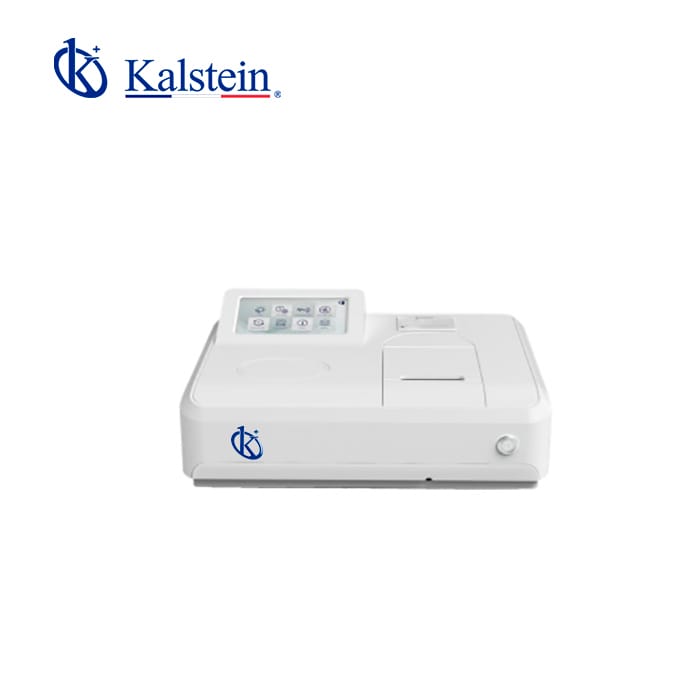
How to Optimize Data Flow Integration with LIMS in COD/BOD Analyzers
In the evolving landscape of laboratory analytics, integrating COD/BOD analyzers with Laboratory Information Management Systems (LIMS) is crucial for streamlining processes and enhancing data accuracy. This article delves into the strategies and considerations necessary for effective integration, ensuring that laboratories can efficiently manage their data flow and optimize their operations.
Understanding COD/BOD Analyzers and LIMS Integration
Chemical Oxygen Demand (COD) and Biological Oxygen Demand (BOD) analyzers are essential tools in environmental laboratories, providing insights into water quality and pollution control. LIMS, on the other hand, is a software solution that helps manage samples, associated data, and laboratory workflows. The integration of these two systems allows for seamless data transfer, real-time monitoring, and enhanced decision-making capabilities.
Benefits of LIMS Integration for COD/BOD Analyzers
Integrating COD/BOD analyzers with LIMS offers numerous advantages, including improved data accuracy, streamlined workflows, and enhanced regulatory compliance. By automating data entry and reducing manual errors, laboratories can ensure higher data integrity and faster turnaround times. Furthermore, LIMS integration facilitates better data tracking and reporting, which is vital for compliance with environmental regulations.
Key Connectivity Protocols for Integration
Successful integration relies on appropriate connectivity protocols. Commonly used protocols include ASTM D7511, HL7, and RESTful APIs. These protocols facilitate the communication between COD/BOD analyzers and LIMS, allowing for automated data transfer and ensuring that data is consistently formatted and accessible. Understanding these protocols is crucial for laboratory professionals aiming to implement efficient data flow systems.
Model Comparison: COD/BOD Analyzers
| Model | Connectivity | Protocols Supported | Integration Effort | Best For |
|---|---|---|---|---|
| YR06295 | USB | ASTM | Moderate | Standard lab environments |
| YR06296 | Micro USB | REST | Low | Field applications |
| YR06297 | Ethernet | HL7 | High | Automated labs |
| YR06298 | USB | ASTM | Low | Versatile applications |
Implementation Steps for LIMS Integration
The integration of COD/BOD analyzers with LIMS requires a well-structured approach. First, identify the specific data requirements and integration needs based on the laboratory's operational goals. Next, select the appropriate models and ensure they support the necessary connectivity protocols. After setting up the hardware, configure the LIMS to accept data inputs from the analyzers. Finally, conduct thorough testing to ensure seamless data flow and address any potential issues.
Common Mistakes and How to Avoid Them
One common mistake in LIMS integration is underestimating the complexity of data mapping between analyzers and LIMS. It is crucial to define data fields accurately to avoid discrepancies. Additionally, overlooking training for laboratory staff can hinder the effectiveness of the integration. Investing time in training ensures that users are equipped to handle the system efficiently.
Maintaining Compliance Post-Integration
Post-integration, it is vital to ensure continued compliance with relevant standards such as ISO 17025. Regular audits and calibration checks should be performed to verify the accuracy of the data being transferred between the COD/BOD analyzers and LIMS. Compliance not only enhances data quality but also builds trust with stakeholders.
Frequently Asked Questions
How can I ensure my COD/BOD analyzer meets ISO 17025 standards after LIMS integration?
To ensure compliance with ISO 17025 standards after LIMS integration, select models like the YR06297 that support rigorous data tracking and automated compliance checks. Regular audits and calibrations must be maintained to uphold data integrity and accuracy.
What are the typical costs associated with integrating a COD/BOD analyzer with LIMS?
The costs associated with integrating a COD/BOD analyzer like the YR06296 can vary, including initial setup, software licensing, and potential hardware modifications. A comprehensive cost analysis during the planning phase can help estimate total expenses effectively.
Which connectivity protocol is most effective for LIMS integration in laboratories?
Protocols such as ASTM and HL7 are particularly effective for LIMS integration in laboratories. These protocols facilitate seamless data transfer, ensuring compatibility with analyzers like the YR06295 for optimal performance.
How does LIMS integration improve data accuracy in COD/BOD analysis?
LIMS integration improves data accuracy by automating data entry from analyzers like the YR06298, reducing human errors associated with manual entry. This automation ensures that data is consistently formatted and easily accessible for analysis.
What specific features should I look for in a COD/BOD analyzer for LIMS integration?
When selecting a COD/BOD analyzer for LIMS integration, look for features such as compatibility with multiple connectivity protocols, automated calibration, and robust data export options, as seen in the YR06295 model.
How can I streamline the process of integrating my COD/BOD analyzer with LIMS?
Streamlining the integration process involves careful planning, including mapping out data requirements beforehand and selecting models with low integration efforts, like the YR06296. Proper training for staff also enhances efficiency in the transition.
What role does data validation play in LIMS integration for COD/BOD analyzers?
Data validation plays a crucial role in ensuring that the data transferred from COD/BOD analyzers like the YR06297 matches expected parameters. Implementing validation checks within LIMS can prevent discrepancies and enhance data integrity.
How often should I recalibrate my COD/BOD analyzer after LIMS integration?
Recalibration frequency depends on laboratory standards but is typically recommended every 6 to 12 months. Using models like the YR06298, which support advanced calibration features, can facilitate maintaining accuracy over time.
If you are looking for a fusion of innovation and quality, you have come to the right place. At Kalstein, we offer you the luxury of exploring our exclusive catalog of laboratory equipment. We manufacture every device to the highest standards of excellence. Our intuitive and seamless online purchasing channels are designed for your convenience, securing the most competitive prices. Hesitate no longer — we bring science to life, it is time to become part of our community.