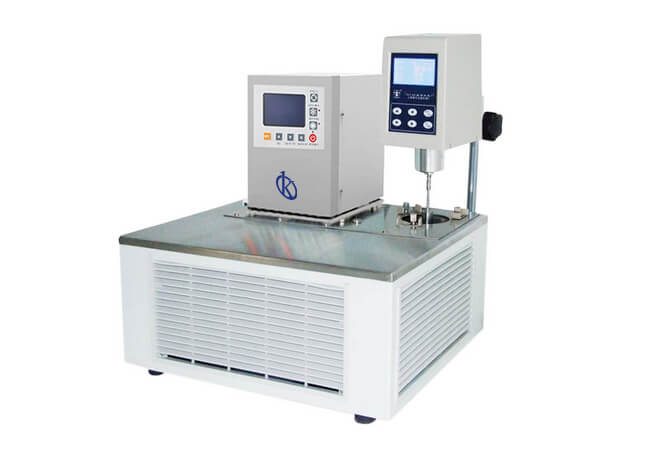
How to Optimize Energy Efficiency and Reduce Environmental Footprint with Bath Circulators
In the modern laboratory environment, sustainability and energy efficiency are paramount. With increasing energy costs and environmental regulations, lab managers are tasked with optimizing equipment use, particularly with devices like bath circulators that are essential for temperature control in various applications. In this article, we will explore strategies to enhance energy efficiency and minimize environmental impact through the use of advanced bath circulators.
Understanding the Role of Bath Circulators in Energy Management
Bath circulators are crucial for maintaining constant temperatures during experiments, yet their energy consumption can contribute significantly to a lab’s total energy usage. By understanding the operational parameters of these devices, laboratories can identify opportunities for improvement. Efficient models not only save energy but also enhance the reliability of experimental results.
Modern bath circulators, like the YR04985 and YR04999, employ advanced PID temperature control mechanisms that ensure precise temperature settings while minimizing power consumption. This reduces unnecessary energy waste and enhances the sustainability profile of laboratory operations.
Evaluating Energy Consumption Patterns
To effectively reduce the environmental footprint, it is essential to evaluate the energy consumption patterns of bath circulators. Conducting an energy audit can reveal which devices utilize the most power and during which phases of operation. For instance, circulators that frequently operate at high temperatures may consume more energy than those that maintain lower temperatures.
Utilizing models like the YR04996 with high-efficiency compressors can significantly lower energy use, making them ideal for applications requiring sustained temperature control without excessive energy input.
Comparison of Available Models
| Model Code | Temperature Range (°C) | Price (USD) | Energy Efficiency Features |
|---|---|---|---|
| YR04985 | -5 to 99.9 | 583.00 | Low noise, high-quality cooling compressor |
| YR04999 | -30 to 100 | 1367.00 | High efficiency, PID control, low water alarm |
| YR04996 | -5 to 100 | 867.00 | Efficient compressor, PID control |
| YR04988 | -20 to 100 | 617.00 | Low noise, high efficiency |
| YR04989 | -30 to 100 | 717.00 | High flow and pressure pump |
| YR04986 | -5 to 100 | 500.00 | PID control, stainless steel tank |
Implementing Energy Savings Strategies
To further enhance energy efficiency, laboratories should implement several strategies. Regular maintenance of bath circulators, such as cleaning filters and checking seals, can prevent energy waste. Additionally, calibrating temperature settings to align with actual testing requirements reduces unnecessary energy expenditure.
Using energy-efficient models like the YR04999 can provide significant savings over time due to their enhanced operational efficiencies, making them a wise investment for environmentally-conscious labs.
Lifecycle Assessment of Bath Circulators
Conducting a lifecycle assessment (LCA) can provide insights into the environmental impact associated with the entire lifespan of bath circulators. This assessment should include manufacturing, operation, maintenance, and disposal phases.
Choosing models made from recyclable materials, such as those with stainless steel components, can reduce the environmental impact during disposal. Moreover, energy-efficient operation during the use phase, as seen in the YR04996, minimizes carbon emissions compared to older, less efficient models.
Common Mistakes and How to Avoid Them
One common mistake labs make is neglecting to consider the energy efficiency ratings of bath circulators during procurement. It is vital to evaluate models' specifications, such as those of YR04985, to ensure optimal performance relative to energy consumption.
Another mistake is failing to maintain circulators regularly, leading to increased energy consumption and operational costs. Establishing a maintenance schedule is crucial to ensure longevity and efficiency of the equipment.
Frequently Asked Questions
How does the energy consumption of bath circulators impact laboratory sustainability?
The energy consumption of bath circulators significantly impacts laboratory sustainability as it contributes to overall energy costs and environmental footprint. Models like the YR04999, which utilize high-efficiency compressors, can help reduce energy consumption and enhance a lab's sustainability profile.
What features should I look for in an energy-efficient bath circulator?
When looking for an energy-efficient bath circulator, consider features such as PID temperature control, low energy consumption during operation, and high-quality components. The YR04985, for example, offers a reliable cooling mechanism with low noise, which is beneficial for energy management.
What are the benefits of using high-efficiency bath circulators in laboratories?
High-efficiency bath circulators, like the YR04996, provide consistent temperature control with reduced energy usage, leading to lower operational costs and a smaller carbon footprint. This not only benefits the environment but also improves process reliability.
How to reduce the environmental footprint of bath circulators?
To reduce the environmental footprint of bath circulators, opt for energy-efficient models, implement regular maintenance, and conduct lifecycle assessments. The YR04999, designed for low energy consumption, can significantly help in minimizing overall environmental impact.
Which bath circulators are best for minimizing energy waste?
Models such as the YR04988 are specifically designed to minimize energy waste through advanced technology, allowing for precise temperature control and lower energy demands. Their efficiency makes them ideal for labs aiming to enhance sustainability.
What is the expected lifespan of a high-efficiency bath circulator?
The expected lifespan of a high-efficiency bath circulator can range from 5 to 10 years, depending on usage and maintenance. Regular checks and proper care can extend the lifespan of models like the YR04996, providing long-term benefits.
How can I evaluate the energy efficiency of a bath circulator?
To evaluate the energy efficiency of a bath circulator, look for specifications such as energy consumption ratings and operational features. Models like the YR04985 and YR04999 come equipped with detailed specifications that can aid in assessing their efficiency.
What are common mistakes when selecting bath circulators for energy efficiency?
Common mistakes include overlooking energy ratings and failing to consider operational costs over time. Choosing models like the YR04996, which clearly indicate energy efficiency features, can help mitigate these mistakes.
If you are looking for a fusion of innovation and quality, you have come to the right place. At Kalstein, we offer you the luxury of exploring our exclusive catalog of laboratory equipment. We manufacture every device to the highest standards of excellence. Our intuitive and seamless online purchasing channels are designed for your convenience, securing the most competitive prices. Hesitate no longer — we bring science to life, it is time to become part of our community.