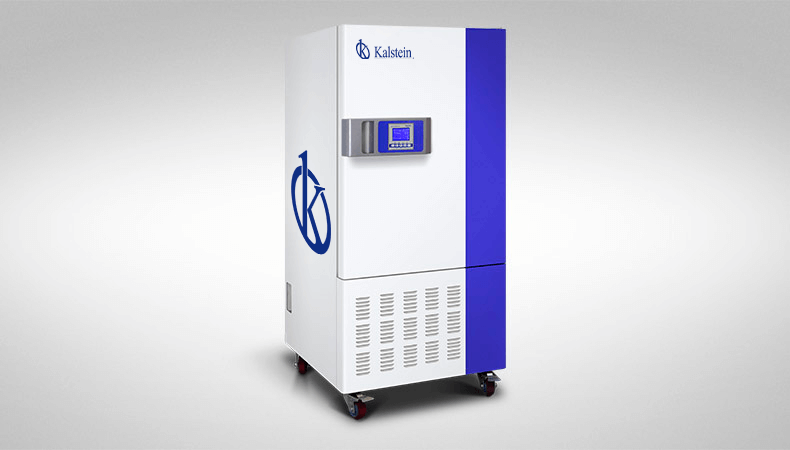
How to Optimize Predictive Maintenance and Periodic Calibration for Drug Stability Test Chambers
In the pharmaceutical and biotechnology industries, the reliability of drug stability test chambers is pivotal. These chambers ensure accurate environmental simulation for drug testing, significantly impacting product quality and regulatory compliance. Optimizing predictive maintenance and regular calibration of these chambers enhances performance and minimizes downtime.
Understanding the Importance of Predictive Maintenance in Drug Stability Testing
Predictive maintenance involves monitoring the condition of equipment to anticipate failures before they occur. For drug stability test chambers, this could mean monitoring temperature, humidity, and other environmental factors critical for drug testing. Implementing predictive maintenance can help labs avoid unexpected failures that could lead to significant downtime and costly product recalls.
Benefits of Predictive Maintenance
- Reduced Downtime: By predicting potential failures, laboratories can schedule maintenance before problems arise.
- Cost Savings: Avoiding major repairs is less costly than emergency maintenance and can save time.
- Enhanced Accuracy: Regular monitoring helps maintain optimal testing conditions, ensuring accurate results.
Calibration Intervals for Drug Stability Test Chambers
Calibration is a critical aspect of maintaining the accuracy and reliability of drug stability test chambers. Calibration should be performed at regular intervals as specified by the manufacturer and relevant regulatory bodies, such as ISO 17025. The typical recommendation for calibration frequency is at least once a year, although more frequent checks may be necessary depending on usage and environmental conditions.
Key Indicators for Calibration
- Temperature uniformity: Verify that the temperature is consistent throughout the chamber.
- Humidity control: Ensure the humidity levels are within specified tolerances.
- Performance metrics: Regularly assess the chamber’s performance against standards.
Comparison of Available Models
| Model | Temperature Range (°C) | Humidity Range (%) | Recommended Calibration Interval | Best for |
|---|---|---|---|---|
| YR05350 | 0~60 | 50~90 | Annually | Pharmaceutical testing |
| YR05351 | 0~60 | 50~90 | Annually | Biotechnology applications |
| YR05352 | 0~60 | 50~90 | Annually | Food industry testing |
Common Mistakes and How to Avoid Them
Laboratories often encounter pitfalls regarding maintenance and calibration. A common mistake is not following the specified calibration intervals for equipment. For instance, neglecting the annual calibration for models like YR05350 can lead to inaccurate testing results and compliance issues. Another mistake is failing to document maintenance activities properly, which is essential for regulatory compliance.
How to Avoid These Mistakes
- Establish a Schedule: Create a maintenance and calibration schedule based on manufacturer recommendations.
- Keep Records: Maintain thorough documentation of all maintenance activities.
- Train Staff: Ensure that all laboratory personnel understand the importance of these practices.
Frequently Asked Questions
What is the recommended calibration frequency for drug stability test chambers?
The recommended calibration frequency for drug stability test chambers, such as the YR05350, is typically annually to ensure compliance with ISO 17025 standards, maintaining accuracy in environmental conditions.
How can predictive maintenance reduce costs in drug stability testing?
Predictive maintenance helps reduce costs by preventing unexpected failures in drug stability test chambers like the YR05351, thereby avoiding costly repairs and minimizing downtime, ultimately ensuring continuous operation.
Which drug stability test chamber is best for biotechnology applications?
The drug stability testing chamber YR05351 is specifically designed for biotechnology applications, offering precise control over environmental conditions that are critical for drug stability testing.
What documentation is needed for calibration compliance in drug testing?
Documentation needed includes calibration certificates, maintenance logs, and records of environmental performance checks for drug stability test chambers such as the YR05352 to ensure compliance with regulatory standards.
How does humidity control impact drug stability testing?
Humidity control is crucial in drug stability testing as fluctuations can affect the integrity of the samples. Models like YR05350 ensure that humidity levels remain stable within 50-90% RH, essential for reliable results.
What are the key performance metrics for drug stability test chambers?
Key performance metrics include temperature uniformity, humidity stability, and overall compliance with testing protocols, which are critical for ensuring accurate results in models such as YR05352.
What steps should be taken for effective predictive maintenance?
Effective predictive maintenance should include regular monitoring of environmental conditions, scheduled inspections, and adherence to calibration protocols for drug stability test chambers like the YR05350.
How can I ensure the reliability of my drug stability test chamber?
Reliability can be ensured by following a strict maintenance and calibration schedule, using high-quality equipment like the YR05351, and keeping detailed records of all performance checks and adjustments.
If you are looking for a fusion of innovation and quality, you have come to the right place. At Kalstein, we offer you the luxury of exploring our exclusive catalog of laboratory equipment. We manufacture every device to the highest standards of excellence. Our intuitive and seamless online purchasing channels are designed for your convenience, securing the most competitive prices. Hesitate no longer — we bring science to life, it is time to become part of our community.