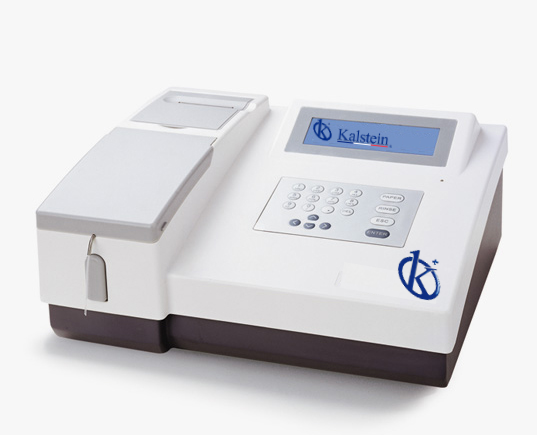
Optimizing Predictive Maintenance and Recommended Calibration for Chemical Analyzers
In today's fast-paced laboratory environments, the efficiency and accuracy of chemical analyzers are paramount. Predictive maintenance and regular calibration are critical strategies for ensuring these devices perform consistently over time. This article will explore these concepts in the context of several models of chemical analyzers, highlighting the best practices for maintenance and calibration that can enhance their reliability and longevity.
The Importance of Predictive Maintenance in Chemical Analyzers
Predictive maintenance is a proactive approach to equipment management that uses data analysis tools and techniques to predict when an instrument or equipment will fail. For chemical analyzers, this means reduced downtime and repair costs, as well as improved accuracy in test results. By implementing a predictive maintenance strategy, laboratories can ensure that their devices, such as the Semi-automatic Chemistry Analyzer YR05115, are consistently calibrated and maintained, leading to enhanced operational efficiency.
Calibration Strategies for Optimal Performance
Calibration is the process of configuring an instrument to provide a result for a sample within an acceptable range. Regular calibration ensures that chemical analyzers maintain their accuracy and reliability. For instance, the Automatic Chemistry Analyzer YR06075, which can perform up to 560 tests per hour, requires periodic calibration to adhere to specified operational standards. Calibration intervals can vary based on the type of equipment and its usage, but a systematic approach is vital.
Factors Influencing Calibration Frequency
There are several factors that influence how often calibration should occur for chemical analyzers. These include the instrument's usage, the environment in which it operates, and the manufacturer's recommendations. For example, the Portable Chemical Analyzer YR06092, designed for precision in controlled environments, may have different calibration requirements compared to the more robust Semi-automatic Analyzer YR06078, which is built for versatility in various laboratory conditions.
Developing a Calibration Schedule
Establishing a clear calibration schedule can help laboratories maintain compliance with regulatory standards and improve overall instrument performance. A sample calibration schedule could look like this:
| Model | Calibration Frequency | Last Calibration Date | Next Scheduled Calibration |
|---|---|---|---|
| YR05115 | Monthly | 2023-05-15 | 2023-06-15 |
| YR06075 | Quarterly | 2023-03-10 | 2023-06-10 |
| YR06092 | Every 6 Months | 2023-01-12 | 2023-07-12 |
| YR05114 | Monthly | 2023-05-01 | 2023-06-01 |
| YR05116 | Quarterly | 2023-02-20 | 2023-05-20 |
| YR06078 | Every 6 Months | 2022-12-15 | 2023-06-15 |
Best Practices for Preventive Maintenance
Preventive maintenance involves regular inspections, testing, and servicing to prevent equipment failures before they occur. For chemical analyzers, this can include routine cleaning, checking for wear and tear, and ensuring software is up-to-date. Implementing best practices for preventive maintenance can significantly reduce the likelihood of unexpected breakdowns.
Common Mistakes and How to Avoid Them
Laboratories often fall into common traps when it comes to maintaining and calibrating their chemical analyzers. Here are some prevalent mistakes and strategies to avoid them:
- Neglecting Documentation: Failing to keep records can lead to missed calibrations. Always document each calibration in a logbook.
- Skipping Scheduled Maintenance: Adhering to a maintenance schedule is crucial. Skipping can lead to inaccurate results.
- Ignoring Manufacturer Guidelines: Each model, like the Automatic Chemistry Analyzer YR06075, has specific calibration needs that should not be overlooked.
- Overlooking Environmental Factors: Factors such as humidity and temperature can affect performance. Ensure the operation environment is controlled.
Comparison of Available Models
| Model | Operating Mode | Max Tests/Hour | Calibration Frequency | Best For |
|---|---|---|---|---|
| YR05115 | Semi-automatic | N/A | Monthly | Routine analysis in smaller labs |
| YR05114 | Semi-automatic | N/A | Monthly | Routine analysis with additional flexibility |
| YR06092 | Portable | N/A | Every 6 Months | Field use in research |
| YR06075 | Automatic | 560 | Quarterly | High-throughput environments |
| YR05116 | Semi-automatic | N/A | Quarterly | Advanced analysis with real-time feedback |
| YR06078 | Semi-automatic | N/A | Every 6 Months | Versatile applications |
Frequently Asked Questions
How can I ensure my chemical analyzer meets ISO 17025 standards?
To ensure compliance with ISO 17025, regular calibration and maintenance of your chemical analyzer, like the Semi-automatic Chemistry Analyzer YR05115, is crucial. Establishing a strict schedule, maintaining thorough documentation, and using traceable standards can help in adhering to these guidelines.
What is the recommended calibration frequency for chemical analyzers in a busy lab?
The recommended calibration frequency varies, but for high-demand models like the Automatic Chemistry Analyzer YR06075, quarterly calibrations are advisable to maintain accuracy and reliability in results.
Which factors affect the calibration process of a chemical analyzer?
Factors affecting the calibration process include the laboratory environment, usage frequency, and the specific model, such as the Portable Chemical Analyzer YR06092. Ensuring controlled conditions can enhance calibration effectiveness.
How do I document maintenance for my chemical analyzer effectively?
Effective documentation should include the model code, date of maintenance, details of the procedures performed, and findings. For example, for the Semi-automatic Chemistry Analyzer YR05116, maintaining a detailed log ensures compliance with quality standards.
What are the costs associated with calibrating chemical analyzers regularly?
Regular calibration can incur costs including labor and possible downtime. For instance, models like the Semi-automatic Chemistry Analyzer YR06078 may require budgeting for both calibration services and replacement parts periodically.
How can predictive maintenance improve the longevity of chemical analyzers?
Predictive maintenance enhances longevity by identifying potential issues before they cause failures. For example, implementing a predictive maintenance strategy for the Automatic Chemistry Analyzer YR06075 can lead to reduced repair costs and improved operational efficiency.
What resources can help me develop a calibration strategy for my laboratory?
Resources for developing a calibration strategy may include manufacturer guidelines, industry standards, and consulting with experts. Utilizing resources from the manufacturers of models like YR05115 can provide insights specific to your instruments.
Why is regular maintenance crucial for chemical analyzers in laboratories?
Regular maintenance is crucial to ensure that chemical analyzers like the Semi-automatic Chemistry Analyzer YR05116 operate within accurate parameters, thus providing reliable results and maintaining compliance with relevant standards.
If you are looking for a fusion of innovation and quality, you have come to the right place. At Kalstein, we offer you the luxury of exploring our exclusive catalog of laboratory equipment. We manufacture every device to the highest standards of excellence. Our intuitive and seamless online purchasing channels are designed for your convenience, securing the most competitive prices. Hesitate no longer — we bring science to life, it is time to become part of our community.