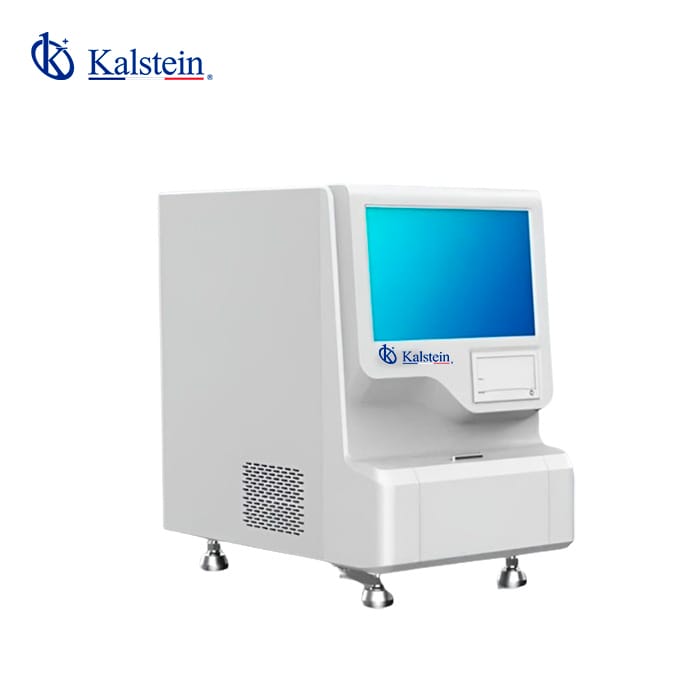
Optimizing Predictive Maintenance and Recommended Calibration for Chemiluminescence Immunoassay Analyzers
The role of Chemiluminescence Immunoassay Analyzers in clinical diagnostics is pivotal, providing rapid and accurate results critical for patient care. This article explores the fundamental strategies for predictive maintenance and periodic calibration, essential for ensuring these analyzers operate at peak performance. Implementing a structured approach to maintenance and calibration not only enhances reliability but also extends the lifespan of laboratory equipment.
Understanding Predictive Maintenance and Calibration
Predictive maintenance involves using data analysis tools and techniques to detect anomalies in equipment operation and possible defects in equipment before they lead to failure. This proactive strategy contrasts with traditional maintenance practices, which often focus on reactive measures. Calibration, on the other hand, ensures that the analyzers produce accurate and reliable results by adjusting them to standards that are documented and traceable.
Importance of Predictive Maintenance
In clinical settings, the uptime and accuracy of Chemiluminescence Immunoassay Analyzers are paramount. Predictive maintenance allows laboratories to anticipate equipment failures before they occur, reducing downtime and improving overall efficiency. For example, the Full-Automatic Chemiluminescent Immunoassay Analyzer YR06387, with its advanced testing capabilities, can greatly benefit from regular predictive maintenance routines.
Calibration Standards and Protocols
Periodic calibration according to established standards is crucial for maintaining the accuracy of Chemiluminescence Immunoassay Analyzers. Laboratories should adhere to guidelines such as ISO 15189 and ISO/IEC 17025, ensuring that the calibration processes are robust and validated. This adherence helps in maintaining the trustworthiness of test results, which is critical in clinical diagnostics.
Challenges in Implementing Predictive Maintenance
While the benefits of predictive maintenance are clear, several challenges can hinder its implementation. These include the initial investment in technology for predictive analytics, the need for staff training, and the integration of predictive maintenance systems with existing laboratory management systems.
Data Collection Techniques
Effective predictive maintenance relies heavily on accurate data collection. Modern Chemiluminescence Immunoassay Analyzers, like the Chemiluminescent Immunoassay Analyzer YR06388, often come equipped with features that allow for real-time data monitoring, which can be harnessed to analyze performance trends and predict failures.
Establishing a Maintenance Schedule
Creating a structured maintenance schedule that balances operational demands with equipment checks is crucial. Establishing intervals based on manufacturers' recommendations, such as those for the Immunoassay Analyzer YR06389, ensures that calibrations and performance reviews align with clinical workflows without disrupting patient testing.
Recommended Calibration Procedures
Calibration procedures should be established based on specific protocols that ensure traceability and accuracy. Each Chemiluminescence Immunoassay Analyzer may have unique calibration needs based on its design and operational parameters.
Calibration Frequency Guidelines
Guidelines recommend that calibration for analyzers like the Immunoassay Analyzer YR06390 should occur after a specific number of tests or at regular intervals. Implementing a calibration schedule that adheres to these guidelines can help maintain the analyzer's performance and accuracy.
Calibration Verification Methods
Verification of calibration can be achieved through regular quality control tests that compare the analyzer's outputs with known standards. Utilizing methods such as multi-point calibration curves can enhance reliability, especially for analyzers that process varying sample types, like the Chemiluminescence Analyzer YR06710.
Comparison of Available Models
| Model Code | Features | Best for | Calibration Frequency |
|---|---|---|---|
| YR06387 | Full automation, 8-channel testing | High-volume labs | Monthly or after 1,000 tests |
| YR06388 | Dual independent chambers, 16-channel tests | Emergency labs | Bi-weekly or after 800 tests |
| YR06389 | 120T/h speed, 15 min results | Point-of-care settings | Weekly or after 1,500 tests |
| YR06390 | 220T/h speed, quick results | Large clinical facilities | Monthly or after 1,200 tests |
| YR06710 | Compact size, 1-12 samples | Space-constrained labs | Monthly or after 500 tests |
Common Mistakes and How to Avoid Them
Laboratories often encounter pitfalls in implementing predictive maintenance and calibration protocols. Common mistakes include inadequate training, neglecting to document procedures, and failing to adhere to established calibration intervals.
Lack of Staff Training
Improper training can lead to mishandling of equipment and inaccurate calibration results. Ensuring that all staff members are well-versed in the operating procedures and maintenance practices for analyzers like the YR06388 is essential for accuracy and reliability.
Skipping Scheduled Maintenance
Failing to adhere to maintenance schedules can result in unexpected downtime. Laboratories should prioritize routine checks and calibrations for models such as the YR06389 to maintain consistent operational efficiency.
Frequently Asked Questions
How often should predictive maintenance be performed on Chemiluminescence Immunoassay Analyzers?
Predictive maintenance should be performed regularly, typically every month or after a predetermined number of tests, depending on the model, such as the YR06387. Monitoring performance data can help establish a schedule that minimizes downtime.
What are the best practices for calibrating Chemiluminescence Immunoassay Analyzers?
Best practices include following manufacturer guidelines for calibration frequency, ensuring traceability to standards, and utilizing multi-point calibration. Models like the YR06390 benefit significantly from such structured calibration plans.
Which Chemiluminescence Immunoassay Analyzer is best for emergency labs?
The Chemiluminescent Immunoassay Analyzer YR06388 is ideal for emergency labs due to its dual independent chambers and 16-channel testing capabilities, allowing for rapid and accurate processing of multiple tests.
How can predictive maintenance reduce costs in laboratory operations?
Predictive maintenance can significantly reduce costs by avoiding unexpected equipment failures and minimizing downtime. For instance, implementing maintenance strategies for the YR06387 can lead to more efficient operations.
What impact does calibration have on the performance of Chemiluminescence Immunoassay Analyzers?
Calibration directly impacts the performance of Chemiluminescence Immunoassay Analyzers by ensuring accurate and reliable results. Regular calibration of models like the YR06389 helps maintain test accuracy, which is crucial for patient care.
How do I choose a calibration interval for my immunoassay analyzer?
Choosing a calibration interval should be based on manufacturer recommendations, usage patterns, and the specific model, such as the YR06710, which may require different frequencies depending on test volume and sensitivity needs.
Why is it essential to document calibration results for Chemiluminescence Immunoassay Analyzers?
Documenting calibration results is essential for traceability and compliance with regulatory standards like ISO 15189. This practice ensures reliable data and provides accountability, especially for models such as the YR06390.
What are the long-term benefits of implementing predictive maintenance in laboratories?
The long-term benefits of implementing predictive maintenance include improved equipment longevity, enhanced reliability, and reduced operational costs. Analyzers like the YR06388 can achieve significant ROI through effective maintenance practices.
If you are looking for a fusion of innovation and quality, you have come to the right place. At Kalstein, we offer you the luxury of exploring our exclusive catalog of laboratory equipment. We manufacture every device to the highest standards of excellence. Our intuitive and seamless online purchasing channels are designed for your convenience, securing the most competitive prices. Hesitate no longer — we bring science to life, it is time to become part of our community.