Optimizing Predictive Maintenance and Periodic Calibration for Oil Baths
In laboratory settings, the precise temperature control offered by oil baths is essential for various applications, including bioengineering, medicine, food processing, and chemical industries. Regular maintenance and calibration are crucial for ensuring the integrity and reliability of these devices. This article delves into the critical aspects of predictive maintenance and periodic calibration for oil baths, helping laboratory professionals optimize their operations and extend the lifespan of their equipment.
Understanding Oil Baths and their Applications
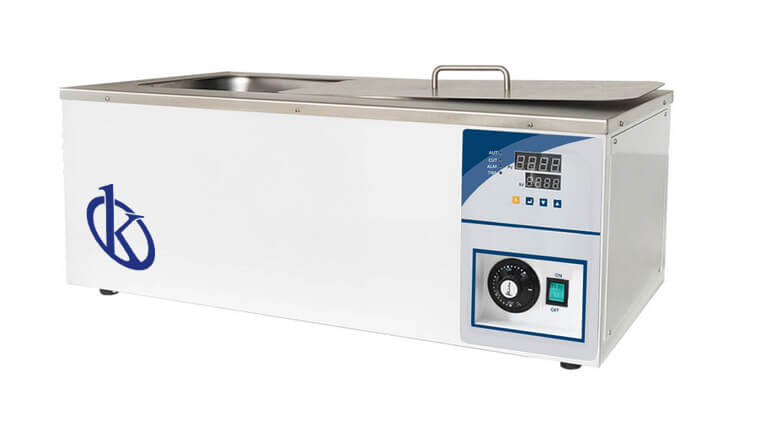
Oil baths provide a stable thermal environment for experiments requiring precise temperature control. They are widely used in laboratories for applications such as heating samples, incubating biological cultures, and conducting chemical reactions. The YR series oil baths, including models YR04973, YR04974, YR04975, and YR04976, are specifically designed to offer high precision and uniform temperature control, making them suitable for various laboratory settings.
Each model in the YR series has unique characteristics tailored to meet specific laboratory needs. For example, the YR04973 model offers robust functionality with a temperature range of RT +5 to 250°C, suited for applications that require rapid temperature changes. In contrast, the YR04976 model, with its higher wattage, is ideal for more demanding heating tasks.
Importance of Predictive Maintenance in Oil Baths
Predictive maintenance aims to anticipate equipment failures before they occur, thus minimizing downtime and maintenance costs. By implementing predictive maintenance strategies for oil baths, laboratories can ensure consistent performance and reliability. Regular monitoring of key indicators such as temperature stability, operational efficiency, and component wear can help identify potential issues early.
For instance, monitoring the temperature fluctuation in an oil bath can provide insights into its operational health. The YR04973 model, for example, has a temperature fluctuation specification of ≤±0.5°C, which indicates a high level of stability, essential for critical experiments. Any deviation from this standard may signal the need for calibration or maintenance.
Implementing Periodic Calibration Protocols
Calibration is the process of verifying and adjusting the accuracy of measurement instruments. For oil baths, periodic calibration is necessary to ensure that temperature readings are accurate and consistent. Different models may have varying calibration requirements based on their specifications and intended use.
For example, the calibration frequency for the YR04974 model may differ from that of the YR04975 model due to their power outputs and application contexts. Following manufacturer guidelines and industry standards is crucial to establish a calibration schedule that fits the laboratory’s operational needs.
Common Calibration Standards for Oil Baths
Several standards govern the calibration of laboratory equipment, including oil baths. Compliance with these standards ensures that the calibration process is consistent and reliable. Common standards include ISO 17025, which outlines the requirements for testing and calibration laboratories. Adhering to such standards can enhance the credibility of laboratory results and facilitate accreditation.
The YR series oil baths are designed to meet these standards, allowing laboratories to maintain compliance while ensuring the accuracy of their temperature control systems. Regular audits and documentation of calibration activities are also essential for maintaining traceability and accountability.
Comparison of Available Models
| Model | Power (W) | Temperature Range (°C) | Price (USD) | Best Use Case |
|---|---|---|---|---|
| YR04973 | 1000W | RT +5 to 250 | $150.00 | General laboratory applications |
| YR04974 | 1200W | RT +5 to 250 | $165.00 | Medium-demand heating tasks |
| YR04975 | 1600W | RT +5 to 250 | $192.00 | High-demand applications |
| YR04976 | 2000W | RT +5 to 250 | $250.00 | Heavy-duty laboratory work |
Common Mistakes and How to Avoid Them
Laboratories often face challenges when it comes to maintaining and calibrating oil baths. One common mistake is neglecting to regularly check calibration settings, which can lead to inaccurate results. Establishing a strict maintenance schedule can help prevent this issue.
Another frequent oversight is using incorrect calibration standards or methods. Ensuring that the calibration process aligns with industry standards such as ISO 17025 can help maintain accuracy and consistency. Training staff on the importance of these practices and creating detailed documentation can further enhance compliance.
Frequently Asked Questions
How often should oil baths be calibrated for accurate results?
The calibration frequency for oil baths can vary, but it is generally recommended to calibrate them at least once every six months. This ensures that models like YR04973 and YR04974 maintain their specified temperature stability of ≤±0.5°C, providing reliable results for laboratory applications.
What are the key indicators of an oil bath requiring maintenance?
Key indicators include fluctuations in temperature stability exceeding ±0.5°C, unusual noises during operation, or inconsistent heating times. For instance, if a YR04975 model exhibits irregularity, this could signal the need for maintenance or calibration.
What calibration method is best for oil baths used in laboratories?
Using a calibrated thermocouple or a standard thermometer can be effective for calibrating oil baths. For instance, calibrating the YR04976 with a thermocouple ensures precise temperature readings within its operational range of RT +5 to 250°C.
How does predictive maintenance benefit the lifespan of oil baths?
Predictive maintenance enhances the lifespan of oil baths by identifying potential issues before they result in failure. Regular monitoring of temperature stability and component health can indicate when models like YR04974 require calibration or part replacement.
What factors influence the choice of an oil bath model for my laboratory?
Factors include the specific heating requirements, the expected workload, and the model's power output. For heavy-duty tasks, models like YR04976 with 2000W power are more suitable, while YR04973 is ideal for general applications.
How can I ensure compliance with calibration standards for oil baths?
Ensuring compliance involves following industry standards such as ISO 17025 for calibration. Regular audits, accurate record-keeping, and adherence to manufacturer guidelines are essential for models like the YR series to maintain compliance.
What are the benefits of using a programmable oil bath?
Programmable oil baths, such as the YR04975, allow users to set specific temperature profiles for experiments. This feature enhances convenience and precision in applications requiring controlled heating over time, leading to better experimental outcomes.
How do I select the best oil bath model for my specific application?
Consider your temperature range needs, power requirements, and the specific applications you will conduct. For example, if you need high-temperature stability, models like YR04974 or YR04976 would be preferable due to their higher wattage and temperature control capabilities.
If you are looking for a fusion of innovation and quality, you have come to the right place. At Kalstein, we offer you the luxury of exploring our exclusive catalog of laboratory equipment. We manufacture every device to the highest standards of excellence. Our intuitive and seamless online purchasing channels are designed for your convenience, securing the most competitive prices. Hesitate no longer — we bring science to life, it is time to become part of our community.