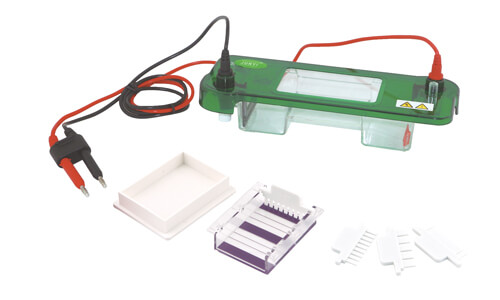
Optimizing Productivity and Reducing Analysis Times with Horizontal Electrophoresis Systems
In the fast-paced environment of modern laboratories, efficiency is paramount. Horizontal electrophoresis systems have emerged as crucial tools for optimizing productivity while minimizing analysis times. As researchers demand faster and more reliable results, understanding the capabilities of various models in this category becomes essential. This article delves into how these systems contribute to enhanced productivity and reduced analysis times, comparing multiple models and discussing their specific applications.
Understanding Horizontal Electrophoresis in the Context of Productivity
Horizontal electrophoresis is a fundamental technique employed in biochemistry and molecular biology to separate nucleic acids or proteins. The efficiency of this method depends not only on the quality of the equipment used but also on how well it aligns with the laboratory's workflow requirements. By optimizing productivity through the right choice of horizontal electrophoresis systems, laboratories can streamline their analysis processes, leading to quicker turnaround times and improved results.
Comparison of Available Models
| Model | Sample Volume (ml) | Buffer Volume (ml) | Dimensions (mm) | Weight (kg) | Price (USD) |
|---|---|---|---|---|---|
| YR03415 | 3, 5, 9 | ~150 | 250 x 90 x 50 | 0.4 | 81.00 |
| YR03416 | 10, 15 | ~400 | 365 x 105 x 55 | 0.6 | 136.80 |
| YR03417 | 3, 6, 8, 11, 13, 18, 25 | ~550 | 300 x 160 x 75 | 1.1 | 183.00 |
| YR03418 | 1, 2, 3, 6, 14, 8, 17, 13, 29 | ~900 | 390 x 187 x 63 | 2.0 | 201.00 |
| YR03419 | 3, 5, 10, 15, 13, 26 | ~600 | 305 x 152 x 80 | 1.7 | 201.00 |
| YR03420 | 17, 22, 36, 44 | ~1800 | 397 x 230 x 93 | 3.3 | 330.60 |
Maximizing Throughput with Horizontal Electrophoresis
Maximizing throughput is essential for laboratories aiming to enhance productivity. The ability to run multiple samples simultaneously significantly reduces analysis times. For instance, the Horizontal Electrophoresis YR03420, with a sample volume capability of up to 44 ml and a buffer volume of approximately 1800 ml, allows for the processing of a larger number of samples in one run. This capability translates into fewer runs per day, minimizing downtime and optimizing overall laboratory workflow.
Batch Processing and Walk-Away Time
Effective batch processing techniques can dramatically reduce analysis times in laboratories. Using the YR03418 model, which accommodates a sample volume ranging from 1 to 29 ml, researchers can set up multiple gel runs and walk away while the system operates autonomously. This feature is particularly beneficial in high-throughput environments where continuous operation is essential for maintaining productivity levels.
Automation Add-Ons for Enhanced Efficiency
Incorporating automation into laboratory processes can lead to significant efficiency gains. Automated sample loading systems integrated with horizontal electrophoresis units, like the YR03416, can streamline the sample introduction phase. This reduces human error and improves consistency across experiments, which is critical for obtaining reliable results and optimizing productivity.
Reducing Reagent Waste in Horizontal Electrophoresis
Reducing reagent waste not only saves costs but also contributes to a more sustainable laboratory practice. Models such as the YR03419, designed to use optimized buffer volumes, allow for precise control over reagent usage, minimizing waste without compromising the quality of the electrophoresis results. Establishing clear protocols for buffer recycling and reuse can further enhance sustainability efforts.
Common Mistakes and How to Avoid Them
When utilizing horizontal electrophoresis systems, common mistakes can arise that hinder productivity. One such mistake is the improper setup of the gel concentration, which can lead to poor resolution and longer analysis times. Ensuring that the right gel percentage is used for the specific application is crucial. Additionally, neglecting to calibrate equipment regularly can result in inconsistent results, impacting productivity. Implementing a robust calibration schedule can mitigate these issues.
Frequently Asked Questions
How can I optimize sample throughput using horizontal electrophoresis models?
Optimizing sample throughput with horizontal electrophoresis can be achieved by selecting models like the YR03420, which allows for larger sample volumes and buffer capacities, enabling more samples to be processed simultaneously. This approach minimizes analysis time and increases efficiency.
What are the key features to consider for reducing analysis times in electrophoresis?
Key features to consider include sample and buffer volume capacity, ease of automation, and batch processing capabilities. Models like the YR03418 enable walk-away operation, which significantly reduces analysis times by allowing researchers to focus on other tasks while the system processes samples.
Which horizontal electrophoresis model is best for high-throughput labs?
The YR03420 is particularly suited for high-throughput labs due to its large buffer capacity of approximately 1800 ml and the ability to process multiple samples per run. This model maximizes efficiency and reduces the number of runs needed throughout the day.
How do I reduce reagent consumption during electrophoresis analysis?
To reduce reagent consumption, it's essential to select models like the YR03419, which are designed for optimized buffer usage. Additionally, implementing protocols for buffer recycling can further decrease overall reagent waste while maintaining analysis quality.
What calibration practices should I follow for my horizontal electrophoresis systems?
Regular calibration is vital for ensuring accuracy in experimental results. Establish a calibration schedule that follows manufacturer recommendations and incorporate traceable standards for reliable results. This practice will minimize discrepancies and enhance productivity.
How does automation impact the efficiency of horizontal electrophoresis systems?
Automation significantly enhances efficiency by reducing manual intervention and minimizing human error. Integrating automated sample loading with models like the YR03416 streamlines workflow, allowing for more consistent results and quicker analysis times.
What common pitfalls should I avoid when using horizontal electrophoresis?
Common pitfalls include incorrect gel concentrations and inadequate calibration of equipment. To avoid these mistakes, ensure proper gel setup specific to your samples and maintain a strict calibration schedule to uphold consistency and reliability in results.
Conclusion
In conclusion, optimizing productivity and reducing analysis times with horizontal electrophoresis systems is achievable through careful selection of models and strategies. By leveraging features that allow for higher throughput, minimizing reagent waste, and integrating automation, laboratories can enhance their overall efficiency.
If you are looking for a fusion of innovation and quality, you have come to the right place. At Kalstein, we offer you the luxury of exploring our exclusive catalog of laboratory equipment. We manufacture every device to the highest standards of excellence. Our intuitive and seamless online purchasing channels are designed for your convenience, securing the most competitive prices. Hesitate no longer — we bring science to life, it is time to become part of our community.