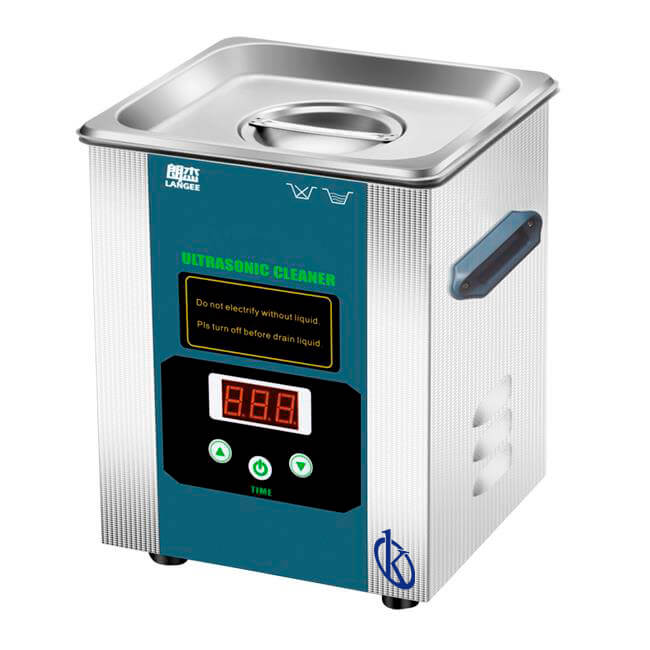
Optimizing Productivity and Reducing Analysis Times with Mechanical Desktop Ultrasonic Cleaners
In the fast-paced environment of modern laboratories, optimizing productivity and reducing analysis times are critical objectives. Mechanical Desktop Ultrasonic Cleaners play a pivotal role in achieving these goals by offering efficient cleaning solutions that enhance the performance of laboratory equipment and processes. This article delves into the capabilities of different models, their specifications, and how they can streamline laboratory workflows.
Understanding Mechanical Desktop Ultrasonic Cleaners
Mechanical Desktop Ultrasonic Cleaners utilize ultrasonic waves to create cavitation bubbles in a liquid cleaning solution. These bubbles implode with significant energy, providing an effective means of cleaning intricate and delicate items such as laboratory glassware, tools, and even electronic components. The efficiency of these cleaners contributes directly to productivity, allowing laboratories to maintain high standards of cleanliness without extensive manual labor.
Comparison of Available Models
| Model Code | Dimensions (L x W x H) | Tank Capacity (L) | Power (W) | Frequency (kHz) | Price (USD) |
|---|---|---|---|---|---|
| YR05207 | 242 x 227 x 265 mm | 1.3 | 70 | 40 | 43.00 |
| YR05202 | 368 x 270 x 290 mm | 11 | 240 | 40/80/120 | 540.00 |
| YR05203 | 397 x 320 x 371 mm | 15 | 360 | 40/80/120 | 640.00 |
| YR05204 | 397 x 320 x 368 mm | 20 | 360 | 40/80/120 | 680.00 |
| YR05205 | 560 x 320 x 317 mm | 22 | 480 | 40/80/120 | 760.00 |
| YR05206 | 560 x 320 x 385 mm | 30 | 600 | 40/80/120 | 810.00 |
Productivity Optimization Techniques
To maximize productivity in a laboratory setting, ultrasonic cleaners can be integrated into various workflows. Adoption of batch processing allows multiple items to be cleaned simultaneously, significantly reducing turnaround times. For instance, the YR05206 model, with a tank capacity of 30 liters, can accommodate larger batches, enabling a more efficient cleaning cycle.
Furthermore, setting optimal cleaning durations based on the type of material and degree of contamination ensures effective cleaning without unnecessary delays. For example, utilizing the timer settings on the YR05207 model can allow for tailored cleaning times between 10 to 600 seconds, adapting to different laboratory needs.
Reducing Analysis Times with Ultrasonic Cleaners
Using ultrasonic cleaners minimizes the time required for cleaning between experiments, thereby hastening analysis processes. Traditional cleaning methods often involve detailed manual work, which can take significant time away from analytical tasks. The YR05202 model, for example, is designed for lab and medical industries, promoting fast and effective cleaning protocols.
By streamlining the cleaning process, laboratories can achieve faster preparation times for experiments, increasing overall workflow efficiency. This capability allows for a higher sample throughput, essential for meeting demanding research and clinical timelines.
Common Mistakes and How to Avoid Them
One of the common pitfalls laboratories face when utilizing ultrasonic cleaners is improper usage, leading to suboptimal cleaning results. For example, overloading the tank can decrease cleaning efficiency due to insufficient cavitation. It is crucial to adhere to the manufacturer’s guidelines regarding maximum load capacities for each model.
Another mistake is using incorrect cleaning solutions, which may not be compatible with ultrasonic cleaning. Utilizing specified or recommended cleaning agents for each item type enhances the effectiveness of the cleaning process. For instance, the YR05204 model works best with ultrasonic-compatible solvents that can optimize cavitation and cleaning efficacy.
The Role of Frequency in Ultrasonic Cleaning
The frequency of ultrasonic waves significantly affects cleaning performance. Lower frequencies (e.g., 40 kHz) produce larger cavitation bubbles that can effectively clean heavier contaminants, while higher frequencies (e.g., 120 kHz) create finer bubbles that are more effective for delicate items. Each model in the Mechanical Desktop Ultrasonic Cleanser line offers multiple frequency settings, such as the YR05203, which features 40/80/120 kHz options for flexible usage across various cleaning scenarios.
Choosing the appropriate frequency based on the application can greatly enhance cleaning efficiency and protect sensitive items from damage during the cleaning process.
Integrating Ultrasonic Cleaners into Laboratory Workflows
Incorporating ultrasonic cleaners into existing laboratory workflows requires strategic planning. Assessing the current cleaning processes and identifying bottlenecks where ultrasonic cleaning could enhance efficiency is essential. For example, if lengthy manual cleaning processes delay sample preparation, introducing a model like the YR05205 can significantly cut down on time spent on this task.
Moreover, training personnel on the effective use of ultrasonic cleaners ensures maximum productivity. Ensuring operators understand the operational parameters and maintenance needs of the models selected is vital to sustaining long-term productivity gains.
Frequently Asked Questions
How can ultrasonic cleaners like YR05207 improve cleaning efficiency in laboratories?
The YR05207 model enhances cleaning efficiency by utilizing ultrasonic waves that create cavitation bubbles, effectively removing contaminants from delicate items. Its compact size and 1.3L capacity make it ideal for cleaning jewelry and small laboratory instruments, helping to streamline workflows and reduce analysis times.
What are the best practices for maintaining a YR05202 ultrasonic cleaner?
To maintain the YR05202 ultrasonic cleaner, regularly inspect the tank for damage, clean the filters, and use only recommended cleaning solutions. Additionally, ensure proper frequency settings are selected based on the items being cleaned to maximize performance and longevity.
Which ultrasonic cleaner model is best for large laboratory applications?
The YR05206 model, with a 30L tank capacity and multiple frequency settings, is ideal for large laboratory applications. It efficiently handles bulk cleaning tasks, significantly reducing analysis times while ensuring thorough cleaning of laboratory tools and equipment.
How do different frequencies affect the performance of ultrasonic cleaners?
Different frequencies, such as those in the YR05203 model (40/80/120 kHz), affect performance by altering bubble size and cleaning effectiveness. Lower frequencies produce larger bubbles for heavy contaminants, while higher frequencies offer more delicate cleaning for intricate items, optimizing the cleaning process for various applications.
What is the cost difference between models in the ultrasonic cleaner series?
Models in the ultrasonic cleaner series vary in price, with the YR05207 starting at $43.00 and the YR05206 at $810.00. The cost difference reflects tank capacity, power, and cleaning capabilities, allowing labs to choose models that fit their specific needs and budgets.
Can ultrasonic cleaners reduce manual cleaning time in labs?
Yes, ultrasonic cleaners like the YR05202 can significantly reduce manual cleaning time in labs by automating the cleaning process. This allows laboratory personnel to focus on other critical tasks, thus enhancing overall productivity and efficiency in workflows.
What should laboratories consider before purchasing an ultrasonic cleaner?
Before purchasing an ultrasonic cleaner, laboratories should consider tank capacity, power specifications, and frequency settings. For example, the YR05204 offers flexibility for varying cleaning needs, making it a suitable choice for labs that require versatility in their cleaning processes.
How do I choose the right ultrasonic cleaner for my laboratory's needs?
Choosing the right ultrasonic cleaner involves assessing the types of items to be cleaned, their sizes, and the required frequency settings. For instance, the YR05205 is suitable for larger items, while the YR05207 is ideal for small tools, ensuring that the selected model meets specific cleaning requirements.
If you are looking for a fusion of innovation and quality, you have come to the right place. At Kalstein, we offer you the luxury of exploring our exclusive catalog of laboratory equipment. We manufacture every device to the highest standards of excellence. Our intuitive and seamless online purchasing channels are designed for your convenience, securing the most competitive prices. Hesitate no longer — we bring science to life, it is time to become part of our community.