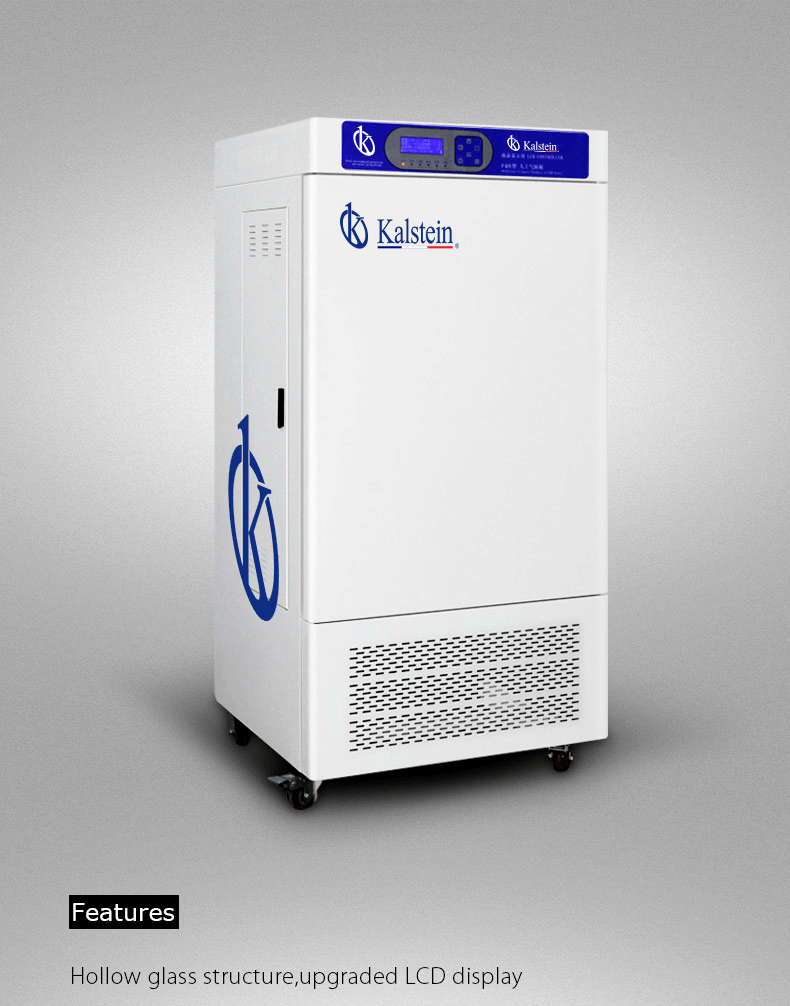
Plant Growth Chambers: Common Mistakes and How to Avoid Them in Daily Operation 2026
Plant growth chambers are essential tools in modern laboratories, providing controlled environments for various biological research applications. In this article, we will delve into the various aspects of using these chambers effectively, focusing on common errors and their solutions to optimize performance in 2026.
What is it used for in 2026
In 2026, plant growth chambers are used extensively for germination, seedling growth, and experiments that require controlled light, temperature, and humidity. These chambers facilitate research in diverse fields such as agriculture, botany, horticulture, and microbiology. They are crucial for studying plant responses to environmental changes, conducting genetic research, and assessing product quality.
History and evolution of the technology
The concept of controlled environments for plant growth dates back to the 20th century when researchers began realizing the importance of environmental factors in plant development. Early models were rudimentary, often utilizing basic heating and cooling mechanisms. Over time, advancements in technology have led to sophisticated systems equipped with precise temperature control, adjustable lighting, and automated humidity regulation. The introduction of microcomputer controls has revolutionized plant growth chambers, allowing for detailed programming and monitoring of environmental conditions.
How to use it step by step
- Preparation: Begin by selecting the appropriate model based on your research needs. Clean the chamber according to the manufacturer's guidelines.
- Setting Up: Configure the internal environment by adjusting temperature, humidity, and light settings. Ensure all components are functioning accurately.
- Loading Samples: Carefully place your plant samples inside the chamber, ensuring even distribution for uniform growth.
- Monitoring: Regularly check environmental parameters, adjusting settings as necessary to maintain consistent conditions.
- Data Collection: Record observations and data throughout the experiment to analyze growth patterns and other findings.
- Post-Experiment: Review and clean the chamber after each use, ensuring it is ready for the next research cycle.
Best techniques and protocols
Implementing best practices while using plant growth chambers is crucial. Here are some effective techniques and protocols:
- Calibration: Regularly calibrate temperature and humidity sensors to ensure accuracy.
- Light Management: Utilize adjustable lighting systems to simulate natural conditions, adjusting intensity according to the growth stage of the plants.
- Temperature Regulation: Maintain a consistent temperature gradient to avoid stress on plant samples.
- Monitoring Systems: Employ automated monitoring systems to receive alerts on environmental fluctuations.
- Data Logging: Utilize software for logging environmental data to analyze trends and make informed decisions for future experiments.
Practical applications by laboratory type
Different types of laboratories utilize plant growth chambers for various applications:
- Agricultural Research Labs: For studying crop resilience and developing new plant varieties.
- Botanical Research Facilities: For exploring plant physiology and interactions with other organisms.
- Microbiology Labs: For conducting experiments on microbial growth in plants.
Regulations, standards and certifications
Compliance with regulations and standards is crucial for laboratories using plant growth chambers. Key standards include:
- ISO 9001 for quality management systems.
- ISO 14001 for environmental management.
- Good Laboratory Practice (GLP) guidelines to ensure reliability and reproducibility of data.
Comparison with alternative technologies
While plant growth chambers are widely used, alternatives such as greenhouses and growth tents also exist. Here’s a brief comparison:
- Greenhouses: Offer larger spaces but lack control over environmental conditions compared to chambers.
- Growth Tents: Provide portability and lower costs but may not maintain the precise conditions needed for scientific research.
Comparison of available models
| Model | Best for | Key specs | Recommended use case |
|---|---|---|---|
| YR05331 | Germination of plant seeds | Temperature range: 10~50℃ with lighting, 5~60℃ without lighting | Ideal for quality control testing and biological research. |
| YR05332 | Microbial growth studies | Uniformity: ±1.5℃, Lighting: up to 15000 LX | Best for experiments requiring high light intensity. |
| YR05333 | Animal and insect feeding studies | Power: 1200 W, Volume: 350 L | Suitable for a broad range of biological applications. |
Common mistakes and how to avoid them
Common errors in operating plant growth chambers include:
- Improper Calibration: Regularly check and calibrate equipment to maintain accuracy.
- Overcrowding: Avoid placing too many samples in the chamber; ensure proper air circulation.
- Neglecting Data Monitoring: Implement regular monitoring to catch fluctuations early.
Maintenance, calibration and good practices 2026
To ensure optimal performance, follow these maintenance practices:
- Schedule regular maintenance checks.
- Calibrate sensors every six months.
- Keep a maintenance log for all repairs and checks performed.
Cost-benefit analysis 2026
The investment in plant growth chambers may seem significant, but the benefits often outweigh the costs. By enhancing research capabilities and ensuring consistent results, these chambers can lead to innovations that drive profitability in laboratories.
Frequently asked questions
What factors should I consider when choosing a plant growth chamber?
Consider the size, temperature range, lighting options, and intended applications. Ensure the chamber meets your specific research requirements.
How often should I calibrate my plant growth chamber?
It is recommended to calibrate at least every six months, or more frequently if you notice inconsistencies in your results.
Can I use a plant growth chamber for multiple types of experiments?
Yes, most chambers are versatile and can accommodate various experiments, but ensure you adjust settings to meet the specific needs of each experiment.
What are the best practices for loading samples into the chamber?
Distribute samples evenly and avoid overcrowding to ensure adequate air circulation and uniform growth conditions.
How do I troubleshoot temperature inconsistencies?
Check calibration, ensure proper sealing of the chamber, and inspect the heating and cooling components.
Is it necessary to clean the chamber after every use?
Yes, cleaning after each use helps prevent contamination and ensures the integrity of future experiments.
What should I do if the chamber experiences a power outage?
Monitor the temperature and humidity upon restoration of power. If stability is compromised, consider transferring sensitive samples to a backup system.
If you are looking for a fusion of innovation and quality, you have come to the right place. At Kalstein, we offer you the luxury of exploring our exclusive catalog of laboratory equipment. We manufacture every device to the highest standards of excellence. Our intuitive and seamless online purchasing channels are designed for your convenience, securing the most competitive prices. Hesitate no longer — we bring science to life, it is time to become part of our community.