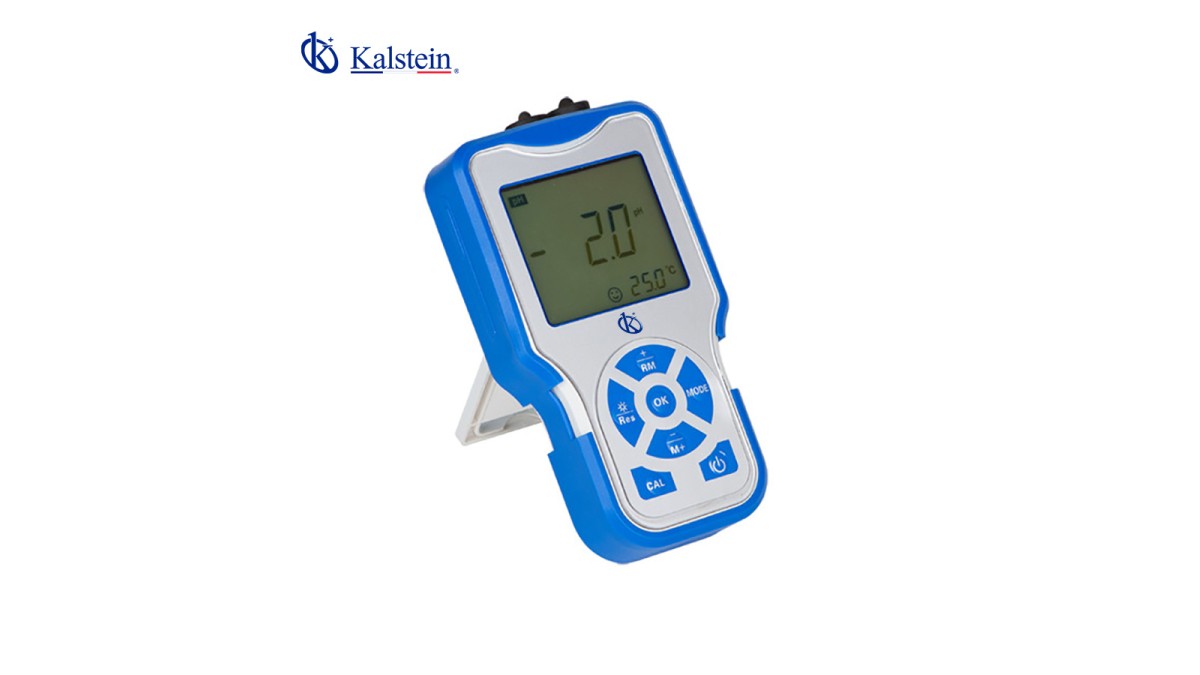
Portable Ion Meters: Practical Applications and Techniques 2026
Portable Ion Meters are essential tools in modern clinical and hospital laboratories. They facilitate accurate ion concentration measurements, which are crucial for diagnosing various conditions and ensuring quality control in sample analyses. With advancements in technology, these devices have become more efficient and user-friendly, making them integral to laboratory workflows. This article explores the diverse applications of Portable Ion Meters, best practices for using them in 2026, and detailed comparisons of available models.
What is it used for in 2026
In 2026, Portable Ion Meters are widely used for measuring ion concentration in various samples including water, blood, and other biological fluids. These devices are crucial in environmental monitoring, food safety testing, and clinical diagnostics. They provide real-time data that is vital for making informed decisions quickly. Additionally, their portability allows for fieldwork and on-site testing, which is especially beneficial in remote locations or during emergencies.
History and evolution of the technology
The concept of ion measurement dates back to the early 20th century when scientists began developing methods to quantify ionic concentrations in solutions. However, the advent of portable technology revolutionized this field. Over the decades, ion meters evolved from bulky, laboratory-bound devices to compact, sophisticated tools that can be used on the go. Innovations such as digital displays, automatic calibration, and improved sensors have enhanced their accuracy and ease of use, making them indispensable in modern laboratories.
How to use it step by step
- Preparation: Ensure the meter is clean and calibrated according to the manufacturer’s instructions.
- Calibration: Calibrate the device using standard ion solutions, selecting the appropriate calibration points based on your model.
- Sample Preparation: Prepare the sample to be tested by ensuring it is within the measurement range of the meter.
- Measurement: Immerse the electrode in the sample and wait for the reading to stabilize. Record the ion concentration displayed.
- Cleanup: Rinse the electrode with distilled water and store it according to the manufacturer’s recommendations to maintain its integrity.
Best techniques and protocols
To maximize the accuracy and reliability of Portable Ion Meters, follow these best practices:
- Regularly calibrate your equipment, especially before critical measurements.
- Use fresh, high-quality standard solutions for calibration.
- Ensure the electrode is properly maintained and cleaned to prevent contamination.
- Record environmental conditions as they can affect measurements.
- Train staff thoroughly on using the equipment to reduce errors.
Practical applications by laboratory type
Portable Ion Meters find extensive use across different laboratory settings:
- Clinical Laboratories: For measuring blood ion levels, enabling quick diagnostics and treatment decisions.
- Environmental Laboratories: Monitoring water quality, tracking pollution levels, and studying aquatic ecosystems.
- Food Safety Laboratories: Testing food samples for ion concentrations to ensure compliance with safety standards.
- Research Laboratories: Supporting various scientific research projects requiring ion analysis.
Regulations, standards and certifications
In 2026, compliance with international standards such as ISO 17025 is essential for laboratories using Portable Ion Meters. These regulations ensure the accuracy and reliability of measurements. Additionally, devices should meet CE and RoHS certifications to guarantee safety and environmental compliance. Regular audits and maintaining documentation of calibration and maintenance are also crucial for adherence to these standards.
Comparison with alternative technologies
While Portable Ion Meters are highly effective, other technologies such as spectrophotometry and titration are also used for ion measurement. Spectrophotometry provides detailed information on sample composition but may require more complex setups. Titration is more labor-intensive and time-consuming but can be more accurate for specific applications. Each method has its benefits, and the choice depends on the specific needs of the laboratory.
Comparison of available models
| Model | Best for | Key specs | Recommended use case |
|---|---|---|---|
| YR01816 | General ion concentration measurement | Accuracy: ±0.5% FS, pH Range: -2.000 to 20.000 pH | Suitable for various laboratory analyses. |
| YR01817-1 | Ammonium ion measurement, outdoors | Accuracy: ±0.5% FS, Concentration Range: 5 × 10⁻⁶ to 1 M | Excellent for environmental assessments. |
| YR01817-10 | Ammonium ion measurement, outdoor applications | Accuracy: ±0.5% FS, Advanced calibration options | Ideal for field testing in various conditions. |
| YR01817-11 | Precision ammonium ion measurement | Accuracy: ±0.5% FS, Multiple calibration points | Best for research laboratories requiring high accuracy. |
| YR01817-12 | Outdoor ammonium measurements | Accuracy: ±0.5% FS, LCD display | Ideal for outdoor experiments and monitoring. |
| YR01817-13 | Field applications for ammonium | Accuracy: ±0.5% FS, High measurement range | Great for various environmental samples. |
Common mistakes and how to avoid them
Common errors in using Portable Ion Meters can lead to inaccurate measurements:
- Failing to calibrate regularly can result in erroneous readings. Always start with calibration before use.
- Neglecting to clean the electrode can contaminate samples. Clean the electrode after every use.
- Using expired calibration solutions can lead to inaccurate results. Check expiration dates regularly.
- Not documenting measurements can lead to data misinterpretation. Maintain a detailed log of all measurements.
Maintenance, calibration and good practices 2026
To ensure longevity and accuracy, follow these maintenance practices:
- Calibrate the meter before each use, especially for critical measurements.
- Store the electrode in a suitable solution to prevent drying out.
- Regularly inspect the device for any signs of wear or damage.
- Keep the user manual updated and accessible for troubleshooting.
Cost-benefit analysis 2026
Investing in Portable Ion Meters provides significant benefits:
- Cost-effective solution for ion measurement compared to lab-bound devices.
- Portability enhances workflow efficiency, reducing time spent on site visits.
- Improved accuracy leads to better decision-making in clinical diagnostics.
- Reduced need for additional testing equipment, lowering overall laboratory costs.
Frequently asked questions
What factors should I consider when choosing a portable ion meter?
Consider accuracy, measurement range, calibration options, and specific applications. Ensure the device meets the standards required for your laboratory work.
How do I maintain the electrode of a portable ion meter?
Regularly clean the electrode after each use and store it in a suitable solution to prevent degradation. Follow the manufacturer's guidelines for care.
Can I use portable ion meters in outdoor environments?
Yes, many portable ion meters are designed for outdoor use. Ensure that the model you choose has robust features suitable for field applications.
How often should I calibrate my portable ion meter?
Calibrate your device before each use, or at least once a day when performing critical measurements to ensure accuracy.
What are the common mistakes when using portable ion meters?
Common mistakes include failing to calibrate regularly, not cleaning the electrode, and using expired calibration solutions. Always be diligent in these areas.
Are there specific regulations for using portable ion meters in laboratories?
Yes, compliance with standards such as ISO 17025 is crucial. Ensure you are familiar with local regulations regarding laboratory testing and equipment.
How can I ensure accurate readings during measurements?
To ensure accuracy, calibrate correctly, use high-quality standard solutions, and maintain the equipment well. Environmental conditions should also be monitored as they can affect readings.
If you are looking for a fusion of innovation and quality, you have come to the right place. At Kalstein, we offer you the luxury of exploring our exclusive catalog of laboratory equipment. We manufacture every device to the highest standards of excellence. Our intuitive and seamless online purchasing channels are designed for your convenience, securing the most competitive prices. Hesitate no longer — we bring science to life, it is time to become part of our community.