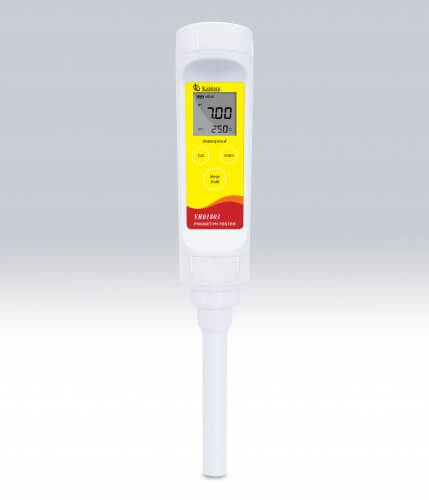
Portable pH Meters: Practical Applications and Techniques 2026
What is it used for in 2026
In laboratory settings, Portable pH Meters play a crucial role in measuring the acidity or alkalinity of various substances. These devices are essential in a wide range of applications including environmental monitoring, food and beverage quality control, agriculture, and clinical laboratories. In 2026, the precision and portability of these meters allow for immediate pH readings in the field, making them indispensable for scientists and technicians who need reliable data on-the-go.
History and evolution of the technology
The history of pH measurement dates back to the early 20th century, with the development of glass electrodes. Over the decades, technology has evolved significantly, leading to the creation of portable meters that are user-friendly and highly accurate. The first portable pH meters emerged in the 1960s, designed primarily for laboratory use. Today, advancements in digital technology have allowed for features such as automatic calibration, temperature compensation, and data logging, enhancing functionality and ease of use.
How to use it step by step
Using a Portable pH Meter involves several straightforward steps:
- Preparation: Ensure that the meter is fully charged or has fresh batteries. Gather all necessary solutions and materials, including calibration buffers.
- Calibration: Calibrate the pH meter using standard buffer solutions. Follow the manufacturer's instructions for one to three-point calibration.
- Measurement: Rinse the electrode with distilled water before immersing it into the sample. Wait for a stable reading, indicated on the display.
- Record Results: Document the pH reading along with the sample identifier for future reference.
- Cleaning and Storage: Clean the electrode after use and store it according to the manufacturer's recommendations to prolong its lifespan.
Best techniques and protocols
To ensure accurate pH readings, follow these best techniques:
- Always calibrate the meter before each use with fresh buffer solutions.
- Use the electrodes within their specified temperature range to avoid inaccurate measurements.
- Keep the electrode clean and hydrated to maintain its sensitivity and accuracy.
- Avoid dipping the electrode into highly viscous or solid samples; use appropriate sampling techniques instead.
Practical applications by laboratory type
Portable pH meters find applications in various laboratory types, including:
- Environmental Laboratories: Monitoring pH levels in soil, water bodies, and air samples.
- Food and Beverage Laboratories: Ensuring product quality and safety by measuring the pH of beverages, dairy products, and other food items.
- Clinical Laboratories: Analyzing bodily fluids such as urine and blood for diagnostic purposes.
- Agricultural Laboratories: Testing soil pH to inform fertilizer applications and crop management.
Regulations, standards and certifications
In 2026, the use of Portable pH meters is governed by various standards and regulations, including ISO standards for laboratory testing and ANSI standards for electrical safety. Compliance with these regulations ensures that pH measurements are accurate, reliable, and contribute to overall safety in laboratory environments.
Comparison with alternative technologies
While Portable pH Meters are the most common tools for pH measurement, alternatives exist, such as:
- Laboratory pH Meters: Typically more accurate but less portable, suitable for stationary laboratory settings.
- pH Test Strips: Quick and easy to use but less accurate compared to electronic meters. Ideal for rough estimates.
- Digital pH Probes: Offer advanced features but often require more complex setup and calibration procedures.
Comparison of available models
| Model | Best for | Key specs | Recommended use case |
|---|---|---|---|
| YR01803 | High precision testing in small samples | Range: -1.00 to 15.00 pH, Resolution: 0.01 pH, Accuracy: ± 0.01 pH | Great for laboratory applications requiring quick and accurate measurements. |
| YR01804 | Outdoor applications with manual temperature compensation | Range: -1.00 to 15.00 pH, Accuracy: ± 0.01 pH | Ideal for field testing in varying environmental conditions. |
| YR01800 | General portable use | Range: -1.00 to 15.00 pH, Accuracy: ± 0.2 pH | Perfect for quick checks of pH in various samples. |
| YR01800-1 | General portable use | Range: -1.00 to 15.00 pH, Accuracy: ± 0.05 pH | Best suited for students and educational purposes. |
| YR01802 | Testing semi-solids | Range: -1.00 to 15.00 pH, Accuracy: ± 0.01 pH | Excellent for food and cosmetic applications. |
| YR01802-1 | Testing semi-solids | Range: -1.00 to 15.00 pH, Accuracy: ± 0.01 pH | Recommended for research laboratories focusing on product development. |
Common mistakes and how to avoid them
Some common mistakes when using Portable pH Meters include:
- Neglecting Calibration: Always calibrate before use; failing to do so leads to inaccurate readings.
- Improper Cleaning of Electrodes: Clean electrodes after each measurement to avoid cross-contamination and maintain accuracy.
- Ignoring Temperature Effects: Be aware of temperature compensation features; not using them can yield erroneous results.
- Using a Damaged Electrode: Regularly inspect the electrode for damage and replace if necessary to ensure reliability.
Maintenance, calibration and good practices 2026
To maintain optimal performance of Portable pH Meters:
- Regularly calibrate according to the manufacturer's guidelines.
- Store electrodes in a suitable storage solution to prevent drying out.
- Clean the electrode after each use with distilled water and avoid harsh chemicals.
- Check the battery level before starting work to prevent interruptions.
Cost-benefit analysis 2026
Investing in Portable pH Meters provides significant benefits, including:
- Cost Savings: Reducing the need for expensive laboratory testing services.
- Efficiency: Quick and accurate readings improve workflow and save time.
- Portability: Ability to perform tests in the field ensures timely data collection.
The cost of acquiring a Portable pH Meter is justified when considering the convenience, accuracy, and versatility they offer in various laboratory settings.
Frequently asked questions
What is the best way to calibrate a portable pH meter?
The best way to calibrate a portable pH meter is to use fresh calibration buffer solutions. Follow the manufacturer's instructions for one to three-point calibration, ensuring you rinse the electrode between buffers to avoid contamination.
How often should I calibrate my portable pH meter?
It is recommended to calibrate your portable pH meter before each use. However, if measurements are taken frequently or in varying conditions, consider calibrating it more often to maintain accuracy.
Can I use a portable pH meter on semi-solid samples?
Yes, certain portable pH meters with appropriate flat-surface electrodes can be used on semi-solid samples. It's crucial to follow the manufacturer's guidelines for usage in these cases.
What should I do if my pH meter gives inconsistent readings?
If your pH meter provides inconsistent readings, check the calibration, ensure the electrode is clean and in good condition, and verify the temperature compensation settings. If issues persist, it may be time to replace or service the electrode.
How do I maintain the electrode of a portable pH meter?
To maintain the electrode, clean it with distilled water after each use, store it in a proper storage solution, and avoid letting it dry out. Regular inspection for damage is also necessary.
What are the common uses of portable pH meters in clinical settings?
In clinical settings, portable pH meters are commonly used for analyzing urine, blood, and other bodily fluids to assist in diagnostics and monitoring patient health.
If you are looking for a fusion of innovation and quality, you have come to the right place. At Kalstein, we offer you the luxury of exploring our exclusive catalog of laboratory equipment. We manufacture every device to the highest standards of excellence. Our intuitive and seamless online purchasing channels are designed for your convenience, securing the most competitive prices. Hesitate no longer — we bring science to life, it is time to become part of our community.