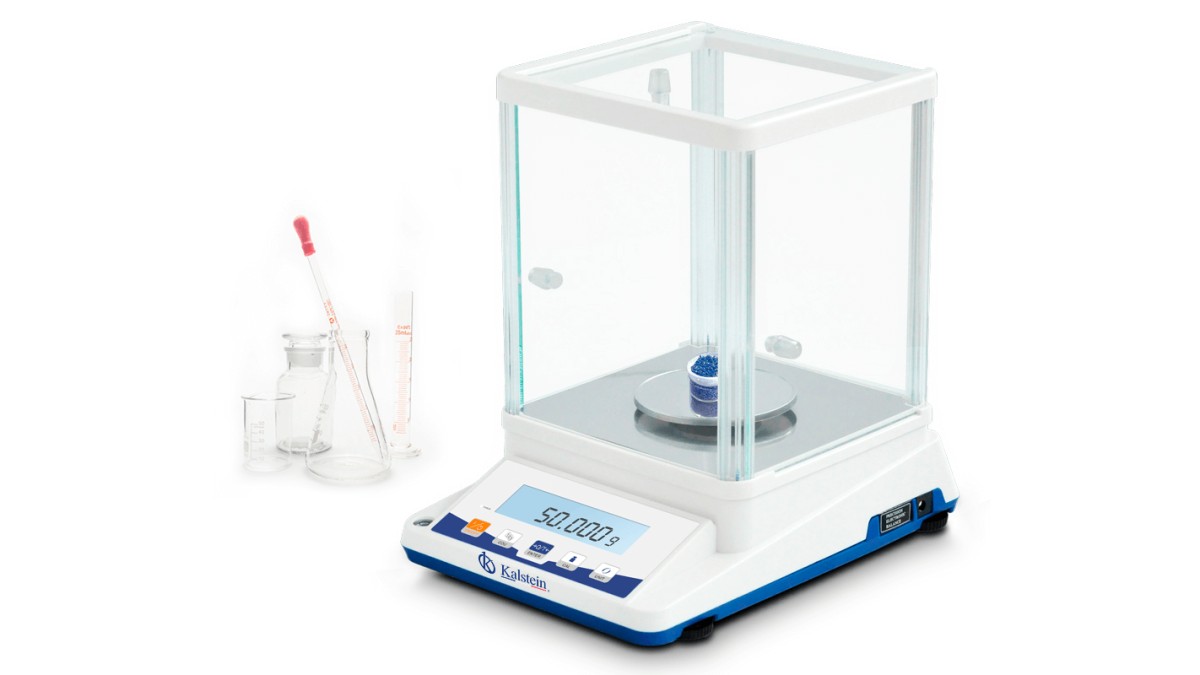
Precision Balances: Common Mistakes and How to Avoid Them in Daily Operations 2026
What is it used for in 2026
Precision balances are indispensable tools in laboratories, enabling professionals to measure mass with remarkable accuracy. In 2026, their applications span various fields, including pharmaceuticals, food science, chemistry, and manufacturing. These balances help ensure that formulations are precise, quality control measures are met, and research is conducted under strict adherence to regulations.
History and evolution of the technology
The technology behind precision balances has evolved significantly over the years. Initially, mechanical balances were used, relying on a system of weights and levers. The introduction of digital balances revolutionized the field by providing enhanced readability, stability, and features such as automatic calibration and data logging. Today’s precision balances, like the models from YR series, feature advanced sensors that ensure consistent performance and accuracy.
How to use it step by step
Using a precision balance effectively involves several steps to ensure accurate measurements:
- **Preparation**: Ensure the balance is placed on a stable surface, away from vibrations and drafts.
- **Calibration**: Perform calibration using certified weights to verify accuracy.
- **Zeroing**: Tare the balance to zero before placing any sample on it.
- **Measurement**: Gently place the sample on the weighing pan, ensuring it is centered.
- **Recording**: Wait for the reading to stabilize before recording the measurement.
- **Cleanup**: Remove the sample and clean the balance if necessary.
Best techniques and protocols
To achieve optimal results with precision balances, follow these best techniques:
- Use the balance at the same temperature and humidity level.
- Calibrate regularly, ideally before use.
- Avoid touching the weighing pan with bare hands to prevent contamination.
- Always handle samples with appropriate tools like tweezers.
- Store the balance covered to prevent dust accumulation.
Practical applications by laboratory type
Precision balances find use across various laboratories:
- **Pharmaceuticals**: For accurate formulation of compounds and active ingredients.
- **Food Science**: Ensuring precise measurements during food testing and ingredient formulation.
- **Chemical Laboratories**: For preparing standardized solutions and conducting experiments that require exact measurements.
- **Manufacturing**: Quality control checks to maintain product standards.
Regulations, standards and certifications
Precision balances must comply with industry regulations to ensure their reliability and accuracy. Common standards include:
- ISO 9001 for quality management systems.
- ISO/IEC 17025 for testing and calibration laboratories.
- Good Laboratory Practice (GLP) guidelines.
Comparison with alternative technologies
When comparing precision balances with alternative measuring technologies such as analytical balances and load cells, the following distinctions can be noted:
- **Precision Balances**: Best for general weighing tasks where high precision is required.
- **Analytical Balances**: Offer higher accuracy and are used for micro-sample measurements.
- **Load Cells**: Used in industrial applications for bulk weighing but may not provide the precision required in laboratory settings.
Comparison of available models
| Model | Best for | Key specs | Recommended use case |
|---|---|---|---|
| YR05584 | Small samples up to 110g | Readability: 0.001g | Precision tasks in research labs |
| YR05585 | Medium samples up to 210g | Readability: 0.001g | Formulations in pharmaceutical labs |
| YR05586 | Larger samples up to 310g | Readability: 0.001g | Quality control in manufacturing |
| YR05587 | Versatile weighing up to 610g | Readability: 0.001g | General laboratory use |
| YR05588 | Medium samples with better portability | Readability: 0.01g | Field tests and on-site measurements |
| YR05589 | Affordable precision weighing | Readability: 0.01g | Educational purposes and basic labs |
Common mistakes and how to avoid them
Laboratory professionals often encounter common pitfalls when using precision balances:
- **Not calibrating regularly**: Always calibrate before use to ensure accuracy.
- **Ignoring environmental factors**: Use the balance in a draft-free area, away from heat sources.
- **Inconsistent tare procedures**: Ensure the tare function is used accurately each time.
- **Neglecting to clean the balance**: Regular cleaning prevents contamination and maintains accuracy.
Maintenance, calibration and good practices 2026
To ensure longevity and accuracy, the following maintenance practices are vital:
- Perform daily cleaning of the weighing pan.
- Calibrate at least once a month, or more frequently if used heavily.
- Store the balance in a protective cover when not in use.
- Ensure the leveling bubble is centered before use.
Cost-benefit analysis 2026
Investing in a precision balance not only improves lab efficiency but also ensures compliance with quality standards. The costs associated with purchasing a precision balance are often outweighed by the benefits of improved accuracy, reduced error rates, and enhanced productivity in laboratory workflows.
Frequently asked questions
What should I consider when choosing a precision balance?
Consider the maximum capacity needed, readability required, and the specific applications you will be using it for. Assessing these factors will help you choose the right model for your laboratory needs.
How often should I calibrate my precision balance?
Calibration should ideally be performed before each use or at least once a month to ensure accuracy and compliance with laboratory standards.
What environmental factors affect precision balance performance?
Vibrations, drafts, and temperature fluctuations can significantly impact the performance of a precision balance. Ensure it is placed on a stable, level surface and away from air currents.
Can I use a precision balance for both solid and liquid samples?
Yes, precision balances can measure solid samples directly, while liquids should typically be measured using appropriate containers to prevent spillage and ensure accurate readings.
What is the importance of taring before weighing?
Taring ensures that the weight of the container does not influence the measurement of the sample itself, providing an accurate measurement of the sample alone.
How can I extend the lifespan of my precision balance?
Regular maintenance, such as cleaning, proper calibration, and careful handling, can significantly extend the lifespan of your precision balance.
If you are looking for a fusion of innovation and quality, you have come to the right place. At Kalstein, we offer you the luxury of exploring our exclusive catalog of laboratory equipment. We manufacture every device to the highest standards of excellence. Our intuitive and seamless online purchasing channels are designed for your convenience, securing the most competitive prices. Hesitate no longer — we bring science to life, it is time to become part of our community.