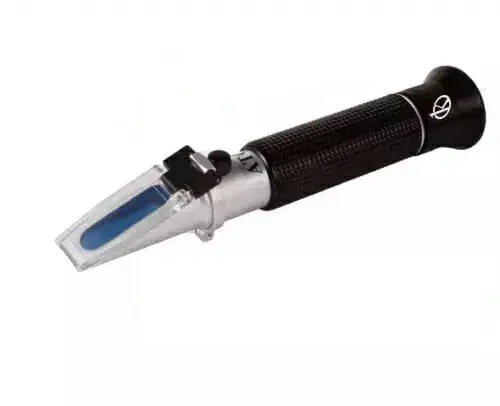
How to Achieve Effective Predictive Maintenance and Calibration for Beer Refractometers?
Beer refractometers are crucial tools in the brewing process, allowing professionals to measure sugar concentration and ensure beer quality. However, like all laboratory instruments, they require regular maintenance and calibration to operate accurately. This article delves into the importance of predictive maintenance and periodic calibration, explaining how breweries can optimize the performance of their beer refractometers.
Understanding Predictive Maintenance for Beer Refractometers
Predictive maintenance refers to the practice of monitoring equipment to predict failures before they occur. This proactive approach is vital for beer refractometers, where consistent accuracy is necessary for quality control. By analyzing performance data, breweries can identify trends that may indicate a need for calibration or maintenance.
Implementing predictive maintenance involves several steps, including the establishment of a baseline for normal operation, regular performance monitoring, and the utilization of diagnostic tools. For example, using Beer Refractometer models like YR05939 and YR05940, brewers can routinely check the refractometer's accuracy against known standards, ensuring any deviations are addressed promptly.
Calibration Procedures for Beer Refractometers
Calibration of beer refractometers is essential to maintain their accuracy. Calibration should be performed regularly, based on usage frequency and environmental conditions. Most experts recommend calibration before each brewing cycle or at least on a weekly basis for high-volume operations.
To calibrate a beer refractometer, one must use a standard solution with a known Brix value. For instance, the YR05941 model provides excellent accuracy across a range of 0-32% Brix, allowing brewers to confirm their readings against a reference solution. If discrepancies are found, adjustments can be made according to the manufacturer's guidelines.
Comparison of Available Models
| Model | Measurement Range | Minimum Division | Accuracy | ATC Temperature Range | Best for |
|---|---|---|---|---|---|
| YR05939 | 0-32% Brix (SG: 1.000-1.120) | 0.2% Brix | ±0.2% Brix | 10-30°C | Brewing quality testing |
| YR05940 | 0-32% Brix (SG: 1.000-1.120) | 0.2% Brix | ±0.2% Brix | 10-30°C | Frequent quality control |
| YR05941 | 0-32% Brix (SG: 1.000-1.120) | 0.2% Brix | ±0.2% Brix | 10-30°C | Rapid sugar concentration assessment |
| YR05942 | 0-32% Brix (SG: 1.000-1.120) | 0.2% Brix | ±0.2% Brix | 10-30°C | Versatile brewing applications |
| YR05943 | 0-32% Brix (SG: 1.000-1.120) | 0.2% Brix | ±0.2% Brix | 10-30°C | Field analysis |
Common Mistakes and How to Avoid Them
When it comes to maintaining beer refractometers, certain common mistakes can compromise accuracy. One prevalent error is neglecting routine calibration checks, which can lead to significant measurement errors. To avoid this, set a regular schedule for calibration based on your usage patterns.
Another mistake is improper cleaning of the refractometer. Residue on the prism can skew readings. Always ensure the device is cleaned immediately after use, following the manufacturer's cleaning instructions for optimal performance.
Importance of Data Logging in Maintenance
Data logging is a critical component of predictive maintenance. By recording usage patterns and calibration results, breweries can identify trends that lead to equipment failure. For example, if a specific model, like the YR05940, begins to show a drift in measurements after a certain number of uses, it may indicate the need for more frequent calibration.
Implementing a simple spreadsheet or a dedicated software solution can help manage calibration schedules and performance metrics effectively. This proactive approach can significantly reduce downtime and improve overall efficiency in the brewing process.
Setting a Calibration Interval Schedule
Establishing a calibration interval is crucial for ensuring the reliability of beer refractometers. A suggested calibration schedule could involve daily checks during peak brewing times and weekly reviews during slower periods. For example, using the YR05939 model, calibrating before each brewing batch ensures consistency across production.
It is also beneficial to create a calibration log, documenting the date, results, and any adjustments made. This log will serve both as a reference for future calibrations and as evidence of compliance with quality standards.
Environmental Factors Affecting Calibration
Environmental conditions can affect the calibration and performance of beer refractometers. Factors such as temperature fluctuations and humidity levels can cause readings to vary. To mitigate these effects, isolate the refractometer from direct sunlight and extreme temperatures, maintaining a stable environment for accurate measurements.
Moreover, ensure that the measuring environment is clean and free from contaminants. Using models like YR05940, brewers can minimize erroneous results by controlling the environmental factors that impact their readings.
Frequently Asked Questions
What is the best practice for calibrating a beer refractometer like the YR05941?
The best practice for calibrating a beer refractometer, such as the YR05941, is to use a standard calibration solution with a known Brix value. Calibration should occur regularly and prior to each brewing session to ensure accuracy.
How often should a YR05939 beer refractometer be calibrated for optimal results?
A YR05939 beer refractometer should ideally be calibrated before every batch of beer brewed or at least weekly. Regular calibration ensures that readings are accurate and reliable for quality control.
What common mistakes can affect the accuracy of beer refractometers?
Common mistakes include neglecting regular calibration and improper cleaning of the prism. Both can lead to inaccurate readings and negatively impact brewing quality. Regular checks and proper cleaning procedures can mitigate these issues.
How do environmental factors impact beer refractometer calibration?
Environmental factors such as temperature and humidity can affect the calibration of beer refractometers. Maintaining a controlled environment and avoiding exposure to extreme conditions help ensure accurate measurements.
Which beer refractometer model is best suited for high-frequency usage?
The YR05940 beer refractometer is well-suited for high-frequency usage due to its robust design and accurate measuring capabilities. Regular calibration is recommended to maintain its performance in demanding environments.
What maintenance schedule is recommended for beer refractometers?
A recommended maintenance schedule includes daily calibration checks during peak periods and weekly inspections during slower times. Documenting these checks helps maintain reliability and accuracy of the equipment.
What is the expected lifespan of a beer refractometer like the YR05942?
The expected lifespan of a beer refractometer, such as the YR05942, can be several years with proper care and regular maintenance. Consistent calibration and cleaning can significantly extend its functional life.
How can data logging improve the maintenance of beer refractometers?
Data logging allows breweries to track usage patterns and calibration results effectively. By analyzing this data, trends and potential issues can be identified early, leading to proactive maintenance and reduced downtime.
If you are looking for a fusion of innovation and quality, you have come to the right place. At Kalstein, we offer you the luxury of exploring our exclusive catalog of laboratory equipment. We manufacture every device to the highest standards of excellence. Our intuitive and seamless online purchasing channels are designed for your convenience, securing the most competitive prices. Hesitate no longer — we bring science to life, it is time to become part of our community.