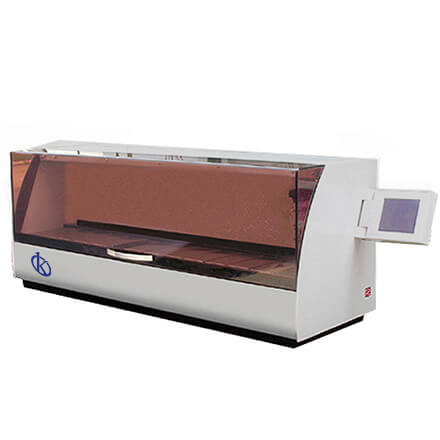
Predictive Maintenance and Recommended Calibration for Automatic Slide Stainers
In the modern laboratory environment, ensuring optimal performance and reliability of equipment is paramount. Automatic slide stainers are essential tools in pathological anatomy, and their proper maintenance can significantly affect staining quality and turnaround times. This article explores predictive maintenance strategies and recommended calibration practices for automatic slide stainers, ensuring compliance and optimal laboratory efficiency.
Understanding Predictive Maintenance
Predictive maintenance (PdM) utilizes data-driven analytics to predict equipment failures before they occur. Through continuous monitoring and analysis, laboratories can prevent unexpected downtimes and extend the lifespan of their automatic slide stainers. Key metrics such as Mean Time Between Failures (MTBF) and Mean Time To Repair (MTTR) play a crucial role in establishing effective PdM strategies.
Calibration Importance in Automatic Slide Stainers
Calibration ensures that automatic slide stainers operate within specified tolerances, which is critical for achieving reliable staining results. Regular calibration aligns equipment performance with established standards, thereby enhancing accuracy and reproducibility in laboratory results. Calibration intervals should be determined based on usage levels and manufacturer recommendations.
Recommended Calibration Intervals
Calibration intervals for automatic slide stainers should be based on several factors, including usage frequency and the specific model's operational characteristics. As a general guideline, a quarterly calibration is advisable for high-throughput laboratories, while biannual checks may suffice for less frequently used units. A calibration plan template can aid in scheduling and documenting these essential activities.
Table of Calibration Intervals
| Model | Recommended Calibration Frequency | Key Calibration Parameters |
|---|---|---|
| YR435 | Quarterly | Flow Rate, Temperature Control |
| YR435-1 | Biannually | Staining Accuracy, Timing |
| YR436-1 | Quarterly | Temperature, Staining Volume |
Comparison of Available Models
| Model | Processing Capacity | Key Features | Best Use Case |
|---|---|---|---|
| YR435 | 72 slides simultaneously | Smart water flow and ergonomic design | High-efficiency labs needing quick turnaround |
| YR435-1 | 400 slides per hour | Modular design for simultaneous staining | Labs requiring flexible staining protocols |
| YR436-1 | Up to 15 tanks | Compact design with intuitive controls | Labs with limited space but high demand |
Common Mistakes and How to Avoid Them
One common mistake in laboratories is neglecting regular maintenance and calibration, leading to inaccurate results and potential compliance issues. To avoid this, labs should establish a maintenance schedule based on best practices and adhere to manufacturer guidelines. Additionally, training staff on the importance of these practices can foster a culture of accountability and excellence.
Enhancing Efficiency with Predictive Maintenance
Implementing predictive maintenance strategies involves utilizing technologies such as IoT sensors and data analytics to monitor the state of automatic slide stainers actively. By analyzing data trends and usage patterns, labs can anticipate maintenance needs and perform timely interventions, minimizing operational disruptions. This proactive approach not only saves costs but also enhances overall laboratory productivity.
FAQs
What is the ideal calibration frequency for the YR435 automatic slide stainer?
The YR435 automatic slide stainer should ideally undergo calibration quarterly, ensuring consistent performance and accuracy during high-throughput operations.
How can predictive maintenance improve the performance of automatic slide stainers?
Predictive maintenance helps in identifying potential failures in automatic slide stainers, such as the YR436-1, before they occur, thereby reducing downtime and enhancing overall productivity.
Which calibration parameters are essential for the YR435-1 model?
For the YR435-1 model, critical calibration parameters include staining accuracy and timing, which directly impact the quality of results in laboratory settings.
What are the common pitfalls in maintaining automatic slide stainers?
Common pitfalls include irregular maintenance schedules and inadequate training for personnel, which can lead to equipment failure and compromised staining quality.
How does the calibration of automatic slide stainers affect lab compliance?
Proper calibration of automatic slide stainers, such as the YR436-1, ensures adherence to industry standards, thus maintaining lab compliance with regulatory requirements.
What technologies can assist in predictive maintenance for slide stainers?
Technologies like IoT sensors and advanced analytics software can significantly enhance predictive maintenance strategies for slide stainers, ensuring optimal performance and reliability.
Why is it important to follow manufacturer guidelines for calibration?
Following manufacturer guidelines for calibration is critical to ensuring the accuracy and reliability of equipment, such as the YR435, which directly affects laboratory results.
What is the role of KPIs in predictive maintenance strategies?
KPI metrics like MTBF and MTTR play a crucial role in assessing the effectiveness of predictive maintenance strategies for automatic slide stainers, guiding operational improvements.
If you are looking for a fusion of innovation and quality, you have come to the right place. At Kalstein, we offer you the luxury of exploring our exclusive catalog of laboratory equipment. We manufacture every device to the highest standards of excellence. Our intuitive and seamless online purchasing channels are designed for your convenience, securing the most competitive prices. Hesitate no longer — we bring science to life, it is time to become part of our community.