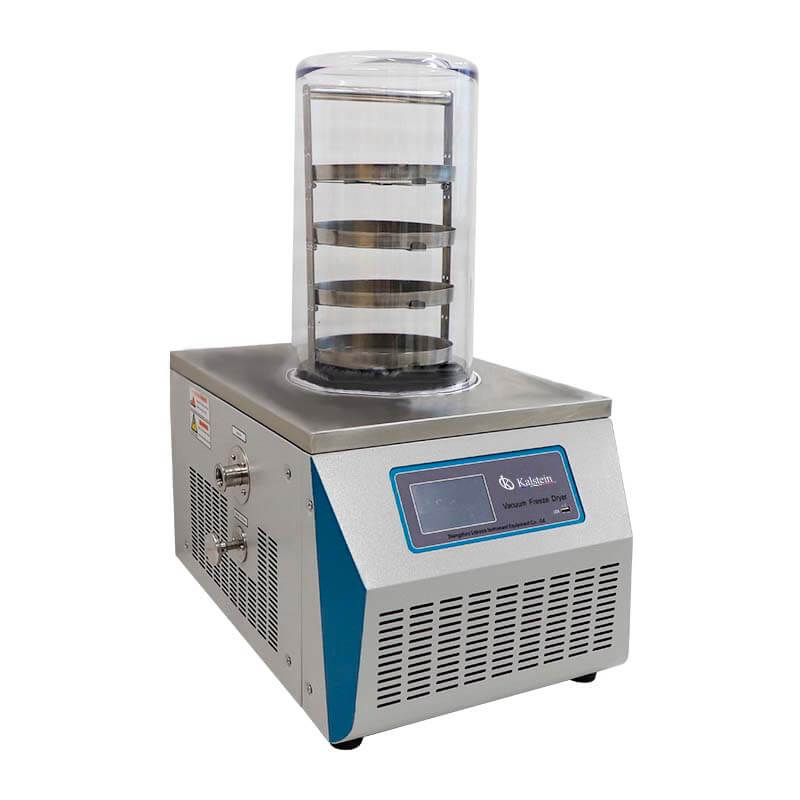
How to Ensure Predictive Maintenance and Calibration for Benchtop Laboratory Freeze Dryers?
In laboratory settings, the efficiency and reliability of equipment are crucial for achieving consistent results. Benchtop laboratory freeze dryers play a significant role in preserving samples for a variety of applications, including pharmaceuticals, food production, and biological research. However, to maintain optimal performance, it is essential to implement effective predictive maintenance strategies and adhere to regular calibration protocols. This article explores the importance of these practices and provides a comprehensive comparison of various freeze dryer models, including YR05186, YR05187, YR05188, YR05189, and YR05189-1.
Understanding Predictive Maintenance in Freeze Dryers
Predictive maintenance refers to techniques that help determine the condition of laboratory freeze dryers and when they require servicing. This approach is primarily focused on preventing potential failures rather than relying solely on reactive maintenance. By utilizing predictive maintenance practices, laboratories can enhance the longevity of equipment and reduce unscheduled downtime.
In the context of benchtop freeze dryers, predictive maintenance can be achieved through routine inspections, monitoring of operational parameters, and analysis of performance data. For instance, the YR05186 model provides a user-friendly interface that displays temperature and vacuum levels, allowing operators to monitor these critical parameters easily.
Calibration Intervals and Standards for Freeze Dryers
Calibration is crucial to ensure that a freeze dryer operates within specified parameters, maintaining the integrity of samples. Regular calibration intervals should be established based on usage frequency and manufacturer recommendations. Typically, it is advisable to calibrate freeze dryers at least once a year, or more frequently if used extensively.
Standards such as ISO/IEC 17025 outline the requirements for the competence of testing and calibration laboratories. Following these standards not only guarantees consistent performance but also enhances credibility in research outcomes. Models like YR05187 and YR05188 can be calibrated according to these rigorous standards, ensuring compliance with laboratory regulations.
Comparison of Available Models
| Model | Lyophilization Area (㎡) | Condenser Capacity (L/24h) | Temperature Range (℃) | Vacuum Level (Pa) | Best Application |
|---|---|---|---|---|---|
| YR05186 | 0.12 | 3-4 | -55 (optional -80) | < 10 | General laboratory use |
| YR05187 | 0.08 | 3-4 | -55 (optional -80) | < 10 | Laboratory experiments |
| YR05188 | 0.12 | 3-4 | -55 (optional -80) | < 10 | Versatile laboratory applications |
| YR05189 | 0.08 | 3-4 | -55 (optional -80) | < 10 | Laboratory experiments |
| YR05189-1 | N/A | 3-4 | -55 (optional -80) | < 10 | Specialized laboratory use |
Common Mistakes and How to Avoid Them
One of the common mistakes in maintaining freeze dryers is neglecting the calibration schedule. Failing to adhere to scheduled calibrations can lead to inaccurate readings, affecting sample quality. It is crucial to document calibration results and maintain an organized log to ensure compliance with laboratory protocols.
Another frequent issue is overlooking predictive maintenance signals. Regularly checking operational data, such as temperature and vacuum trends, helps identify potential malfunctions before they lead to significant failures. Utilizing models like the YR05186 with integrated monitoring capabilities can simplify this process.
Maximizing Efficiency with Predictive Maintenance Strategies
To effectively implement predictive maintenance, laboratories should establish a routine monitoring system. This includes regular inspection of vacuum pumps, temperature sensors, and other critical components. Additionally, environmental factors such as humidity and ambient temperature should be considered since they can impact performance.
Incorporating data analytics tools to predict failures based on historical performance can further enhance maintenance strategies. For example, observing trends in condenser efficiency can lead to timely interventions, thus preventing equipment failure and ensuring consistent sample preservation.
Calibration Procedures for Laboratory Freeze Dryers
Calibration procedures should be standardized across all laboratory equipment, including freeze dryers. Each model, such as YR05187, must follow specific calibration steps to ensure accuracy. Calibration involves using certified reference materials and comparing them against the equipment’s output.
Documentation of all calibration activities is essential for compliance with standards like ISO 17025. This includes maintaining records of calibration certificates, methods used, and any adjustments made to the equipment during the process.
Preparing for Calibration: Key Considerations
Prior to calibration, it is essential to prepare the freeze dryer by cleaning it and ensuring that it is free from any contaminants. In addition, the equipment should be allowed to reach its operating temperature before calibration, as this ensures that all components function optimally.
For models such as YR05188, which have multiple trays, ensure that each tray is correctly positioned, as this can impact temperature distribution during the freeze-drying process.
Frequently Asked Questions
How often should I calibrate my benchtop laboratory freeze dryer?
Calibration of benchtop laboratory freeze dryers like YR05186 should ideally be performed at least once a year or more frequently if used extensively. Following ISO/IEC 17025 guidelines ensures compliance and maintains sample integrity.
What common errors occur during freeze dryer calibration?
Common errors during calibration include failing to document calibration results and neglecting scheduled calibration, which can lead to inaccurate performance. Using models like YR05187 can help streamline the tracking of calibration results through integrated systems.
Which predictive maintenance strategies are best for freeze dryers?
The best predictive maintenance strategies for freeze dryers involve routine inspections, data monitoring, and analysis of performance trends. Models like YR05188 have user-friendly interfaces that allow easy monitoring of critical parameters.
How does calibration impact freeze dryer performance?
Calibration directly impacts freeze dryer performance by ensuring that temperature and vacuum levels are maintained within specified limits. This is crucial for models like YR05189 to ensure sample integrity during the freeze-drying process.
What are the benefits of predictive maintenance in laboratories?
Predictive maintenance helps in reducing equipment downtime and maintenance costs while enhancing the lifespan of laboratory freeze dryers. Utilizing models such as YR05189-1 allows laboratories to monitor performance data effectively.
Which compliance standards apply to freeze dryer calibration?
Compliance standards for freeze dryer calibration include ISO/IEC 17025, which outlines the requirements for testing and calibration laboratories. Adhering to these standards is essential for maintaining the reliability of models like YR05186.
How can I request a quote for freeze dryer models?
You can request a quote for freeze dryer models by contacting the supplier directly or visiting their catalog for pricing details. Models like YR05188 offer varied features catering to different laboratory needs.
What factors influence the choice of a freeze dryer model?
Factors influencing the choice of a freeze dryer model include the size of the lyophilization area, condenser capacity, and specific application needs. Models like YR05187 are suitable for laboratory experiments where space is limited.
If you are looking for a fusion of innovation and quality, you have come to the right place. At Kalstein, we offer you the luxury of exploring our exclusive catalog of laboratory equipment. We manufacture every device to the highest standards of excellence. Our intuitive and seamless online purchasing channels are designed for your convenience, securing the most competitive prices. Hesitate no longer — we bring science to life, it is time to become part of our community.