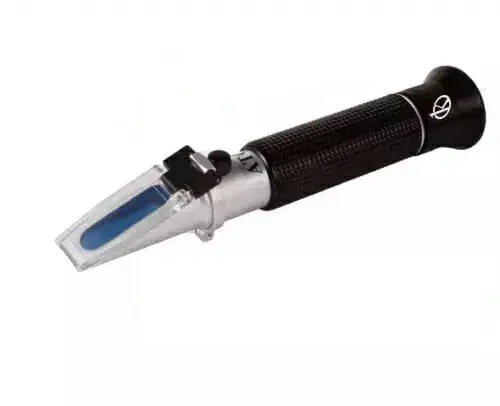
How to Ensure Predictive Maintenance and Regular Calibration for Brix Refractometers?
Brix refractometers are essential tools in various fields such as viticulture, brewing, and food production. Accurately measuring the sugar content in liquids requires not only proper usage but also rigorous maintenance and calibration practices. This guide focuses on predictive maintenance and recommended calibration strategies applicable to Brix refractometers, enhancing their reliability and performance.
Understanding Predictive Maintenance in Brix Refractometers
Predictive maintenance involves monitoring the condition of equipment to anticipate failures before they occur. For Brix refractometers, this means regular checks to ensure both mechanical and optical components are functioning optimally. Implementing predictive maintenance leads to reduced downtime, extended lifespan of instruments, and improved accuracy in measurements.
Importance of Regular Calibration for Brix Refractometers
Calibration is a critical process that ensures the accuracy of Brix refractometers. Regular calibration against known standards is essential to maintain compliance with measurement regulations and to provide reliable results in various applications. Failure to calibrate can result in inaccurate readings, leading to significant consequences in product quality.
Calibration Intervals: Best Practices
Calibration intervals for Brix refractometers can vary based on usage frequency, specific applications, and manufacturer recommendations. A common practice is to perform calibration after a certain number of uses or at least once a month for frequent users. Understanding the operational context is key in determining appropriate calibration schedules.
Key Calibration Standards for Brix Refractometers
Brix refractometers should be calibrated using traceable standards that conform to recognized guidelines such as ISO/IEC 17025. This ensures the accuracy of the measurements across different laboratories and aligns with best practices for quality management systems.
Common Predictive Maintenance Strategies
Visual Inspections
Routine visual inspections of Brix refractometers help identify physical damages or wear and tear. Checking for signs of corrosion, damage to the optical glass, or dirt accumulation is essential to ensure optimal performance.
Performance Testing
Conducting performance tests regularly can help detect deviations in measurement accuracy. Comparing results against known solutions can identify issues early, promoting prompt corrective actions.
Software Updates
Keeping the software of digital Brix refractometers updated can improve functionality and ensure compliance with the latest calibration protocols. Manufacturers often release updates to enhance accuracy and efficiency.
Comparison of Available Models
| Model | Measurement Range | Min. Division | Accuracy | ATC | Best For |
|---|---|---|---|---|---|
| YR05872 | 0-5% Brix | 0.1% Brix | ± 0.10% Brix | Yes | Low sugar content testing |
| YR05873 | 0-10% Brix | 0.1% Brix | ± 0.10% Brix | Yes | General fruit testing |
| YR05874 | 0-18% Brix | 0.1% Brix | ± 0.10% Brix | Yes | Vegetable testing |
| YR05875 | 0-20% Brix | 0.1% Brix | ± 0.10% Brix | Yes | Brewing applications |
| YR05876 | 0-32% Brix | 0.1% Brix | ± 0.10% Brix | Yes | High sugar content testing |
| YR05877 | 0-10% Brix | 0.1% Brix | ± 0.10% Brix | Yes | Quality assurance checks |
Common Mistakes and How to Avoid Them
Many users overlook calibration schedules or fail to maintain a proper maintenance log. It is crucial to set reminders for regular calibration and inspections. Additionally, failing to use appropriate calibration standards can lead to inaccurate measurements. Always ensure you are using verified solutions for calibration.
Frequently Asked Questions
What is the recommended calibration frequency for Brix refractometers in a lab?
The recommended calibration frequency for Brix refractometers often ranges from monthly to quarterly, depending on usage. For instance, if using the YR05875 model frequently, calibrate at least once a month to ensure accuracy.
How can predictive maintenance improve the accuracy of Brix refractometers?
Predictive maintenance improves the accuracy of Brix refractometers by identifying potential issues before they affect performance. Regular inspections and tests help maintain instruments like the YR05876, ensuring consistent measurement results.
What standards should Brix refractometers comply with for laboratory use?
Brix refractometers must comply with ISO/IEC 17025 standards for testing and calibration laboratories. This ensures that models such as YR05874 meet international quality assurance benchmarks.
How do I know if my Brix refractometer needs calibration?
If measurements from your Brix refractometer, like the YR05873, begin to deviate significantly from known standards, it indicates the need for calibration. Regular performance checks can help identify these discrepancies early.
What maintenance should I perform on my Brix refractometer?
Regular maintenance for your Brix refractometer includes cleaning the optical surface, checking for physical damage, and verifying calibration. Instruments like the YR05872 benefit from routine visual inspections to ensure longevity.
Can I automate the maintenance schedule for my Brix refractometer?
Yes, automation tools can help manage maintenance schedules for Brix refractometers. Utilizing reminders on software platforms can alert you for tasks such as calibration for models like the YR05875.
How does temperature affect the readings of Brix refractometers?
Temperature can significantly impact the readings of Brix refractometers. Models such as YR05876 include Automatic Temperature Compensation (ATC) to adjust readings, ensuring accuracy across varying temperatures.
What are the benefits of using high-quality Brix refractometers in labs?
Using high-quality Brix refractometers, such as the YR05874, ensures precise measurements, durability, and the ability to meet regulatory standards. This contributes to overall product quality and compliance in laboratory settings.
If you are looking for a fusion of innovation and quality, you have come to the right place. At Kalstein, we offer you the luxury of exploring our exclusive catalog of laboratory equipment. We manufacture every device to the highest standards of excellence. Our intuitive and seamless online purchasing channels are designed for your convenience, securing the most competitive prices. Hesitate no longer — we bring science to life, it is time to become part of our community.