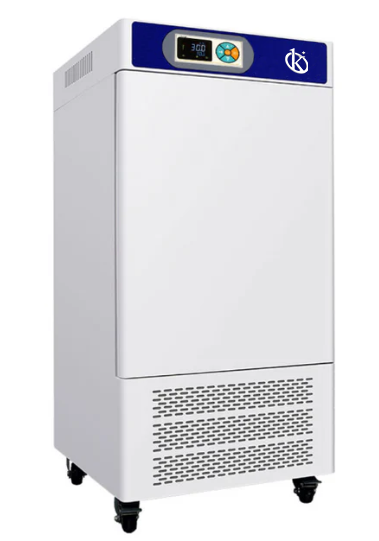
How to Implement Predictive Maintenance and Calibration in Constant Temperature and Humidity Incubators
In laboratory settings, constant temperature and humidity incubators play a crucial role in ensuring the integrity of biological samples and sensitive experiments. This article delves into effective predictive maintenance and periodic calibration strategies crucial for optimizing the performance of these incubators. By examining various models, we will explore how to achieve reliability and compliance with industry standards.
Understanding Predictive Maintenance in Incubators
Predictive maintenance refers to the proactive approach of monitoring the condition of equipment to predict when maintenance should be performed. This strategy minimizes downtime and extends the lifespan of laboratory equipment, particularly in systems such as constant temperature and humidity incubators. Key components of predictive maintenance include sensor technologies, data analytics, and maintenance schedules. Utilizing these elements can significantly reduce the risk of equipment failure.
Importance of Calibration for Consistent Performance
Calibration is essential for ensuring that incubators operate within specified temperature and humidity ranges. Regular calibration helps in maintaining the accuracy of measurements, which is vital for experimental reproducibility. Laboratories must establish calibration schedules based on equipment usage and manufacturer recommendations to comply with standards like ISO 17025. This not only enhances reliability but also ensures adherence to regulatory requirements.
Comparison of Available Models
| Model Code | Temperature Range (℃) | Precision (℃) | Interior Size (mm) | Power Consumption (kW) | Best Application |
|---|---|---|---|---|---|
| YR02053 | 0 ~ 60 | ± 0.1 | 580 × 450 × 380 | 0.4 | Environmental protection and biological engineering |
| YR02054 | 0 ~ 60 | ± 0.1 | 800 × 500 × 380 | 0.6 | Medical and epidemic prevention |
| YR02055 | 0 ~ 60 | ± 0.1 | 1000 × 550 × 450 | 0.8 | Aquaculture and water analysis |
Common Mistakes and How to Avoid Them
Laboratories often encounter pitfalls in their maintenance and calibration routines. A common mistake is neglecting regular checks, leading to equipment malfunction. Establishing a comprehensive schedule for predictive maintenance and calibration is crucial. Additionally, relying solely on manual records can introduce errors; instead, adopting automated monitoring systems can enhance accuracy and facilitate timely adjustments. Training staff on the importance of these procedures is also essential for maintaining laboratory standards.
Predictive Maintenance Strategies for Incubators
Implementing predictive maintenance involves several strategies, including condition monitoring and the use of data analytics. Sensors can be installed to monitor temperature and humidity levels in real time, providing alerts for any deviations from set parameters. For instance, the Constant Temperature and Humidity incubator YR02054 features automatic defrost capabilities and a delay protection system, which are beneficial for maintaining consistent conditions. By analyzing data trends, laboratories can predict when maintenance is required, significantly reducing downtime.
Calibration Intervals for Reliable Performance
Establishing calibration intervals is critical for ensuring the performance of incubators. A recommended approach is to conduct calibration checks quarterly, particularly for models like YR02055, which is used extensively in rigorous applications such as aquaculture and environmental studies. Documenting each calibration event ensures traceability, a requirement under ISO 17025, and helps in maintaining compliance with best practices in laboratory operations.
Data Analytics for Predictive Maintenance
Data analytics play a significant role in predictive maintenance, allowing laboratories to harness digital tools for monitoring equipment performance. Through advanced analytics, trends in temperature and humidity fluctuations can be analyzed, enabling labs to make informed decisions about maintenance schedules. This not only increases the reliability of incubators like the YR02053 but also optimizes their operational efficiency.
Addressing Environmental Compliance with Calibration
Compliance with environmental standards necessitates that laboratories maintain strict temperature and humidity controls. Regular calibration of incubators ensures that they meet these standards consistently. Using models such as YR02054, which are specifically designed for medical and research applications, can help laboratories demonstrate compliance during audits and inspections.
Frequently Asked Questions
What are the best practices for predictive maintenance in constant temperature and humidity incubators?
Best practices for predictive maintenance include regular monitoring with sensors, data analysis for trend identification, and creating a schedule for maintenance checks. For example, using the YR02053 model, laboratories can set alerts for temperature deviations to prevent equipment failure.
How often should calibration be performed on constant temperature and humidity incubators?
Calibration should be performed quarterly or as recommended by the manufacturer to ensure accuracy and compliance. For instance, the YR02055 model benefits from regular calibration to maintain its performance in sensitive applications.
What tools are necessary for calibrating constant temperature and humidity incubators?
Essential tools for calibration include precision thermometers, humidity sensors, and data loggers. Employing these tools facilitates accurate calibration for models like YR02054, ensuring they meet necessary operational standards.
How can predictive maintenance improve the reliability of incubators?
Predictive maintenance enhances reliability by enabling proactive monitoring and timely interventions before failures occur. For instance, the YR02053 model's built-in sensors allow labs to predict equipment failures, ensuring continuous operation.
What are the compliance benefits of regular calibration in incubators?
Regular calibration aids in maintaining compliance with standards such as ISO 17025. It ensures accurate measurements for models like YR02054, which are crucial in medical and research settings, thus avoiding potential regulatory issues.
How do I develop a calibration schedule for my incubators?
A calibration schedule should be based on usage, manufacturer recommendations, and compliance requirements. For example, the YR02055 model may require more frequent checks in high-demand environments to ensure accurate performance.
What role does data analytics play in incubator maintenance?
Data analytics allows for monitoring performance metrics and identifying trends over time. In the case of the YR02054 model, analytics can help predict maintenance needs, minimizing downtime and enhancing reliability.
How do I select the right model of incubator for my laboratory needs?
Choosing the right incubator involves assessing your specific application needs, such as temperature range and interior size. For instance, the YR02053 is ideal for environmental protection, while the YR02055 is suited for aquaculture applications.
If you are looking for a fusion of innovation and quality, you have come to the right place. At Kalstein, we offer you the luxury of exploring our exclusive catalog of laboratory equipment. We manufacture every device to the highest standards of excellence. Our intuitive and seamless online purchasing channels are designed for your convenience, securing the most competitive prices. Hesitate no longer — we bring science to life, it is time to become part of our community.