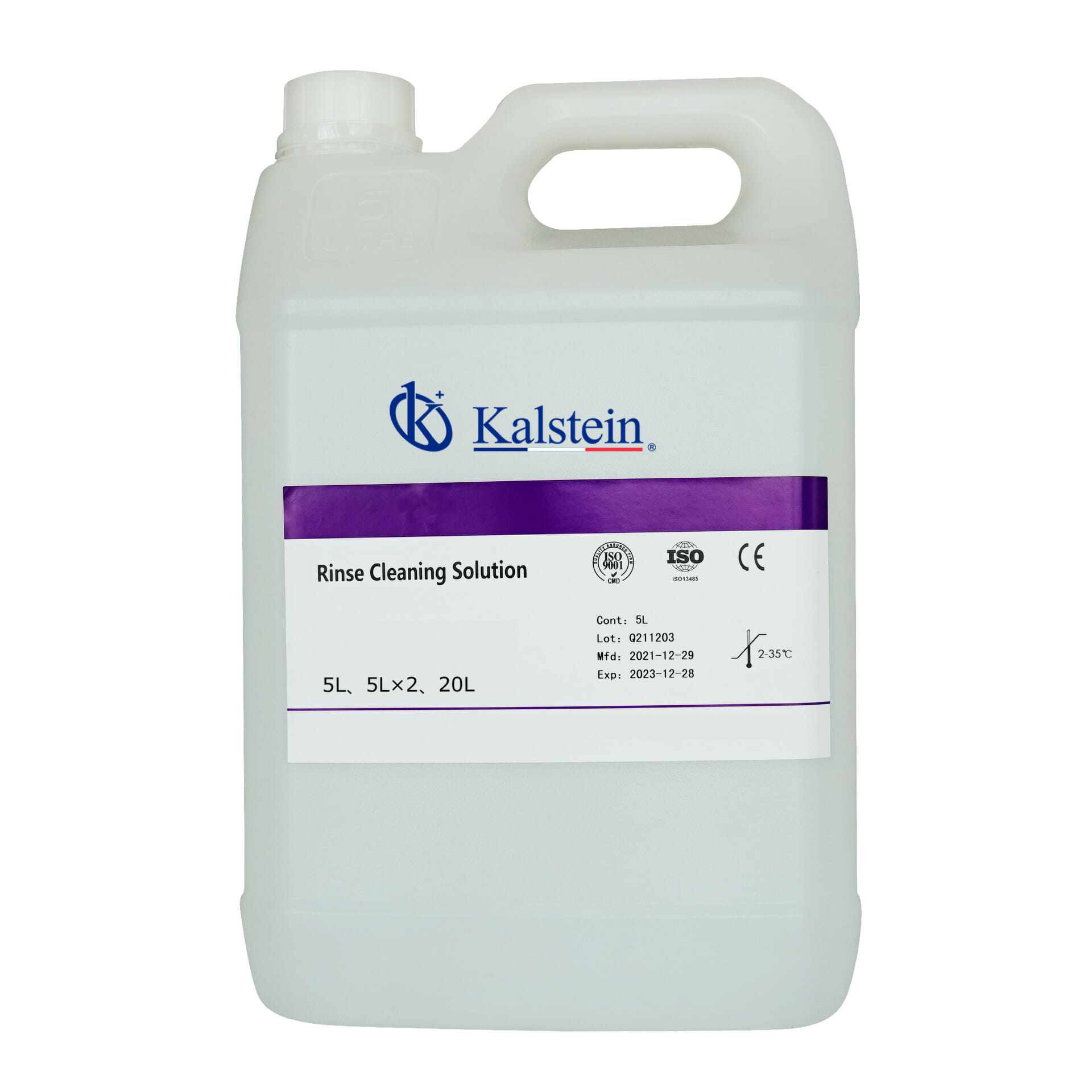
How to Implement Predictive Maintenance and Regular Calibration for Hematology Reagents
In the realm of laboratory diagnostics, maintaining the integrity and performance of hematology reagents is crucial. Predictive maintenance and regular calibration are essential strategies that laboratory managers and technicians must employ to ensure reliable results. This article aims to delve into the best practices surrounding these practices, focusing on various models of hematology reagents such as the YRA45, YRA46, YRA47, and others. We will explore how these models fit into a comprehensive maintenance and calibration strategy, contributing to the overall efficiency of laboratory operations.
Understanding Predictive Maintenance and Its Benefits
Predictive maintenance is a proactive approach that leverages data analysis tools and techniques to predict when equipment failure might occur. By identifying potential issues before they lead to failure, laboratories can minimize downtime and reduce costs associated with unexpected failures. For hematology reagents, this means ensuring that the reagents are always ready for use, thus enhancing the efficiency of laboratory workflows.
Implementing predictive maintenance involves several components:
- Data Collection: Regularly monitoring the performance of hematology analyzers helps in identifying trends that may indicate the need for maintenance.
- Analysis: Analyzing the collected data to predict when maintenance should occur based on historical performance.
- Action: Performing maintenance tasks just before the predicted failure to ensure smooth laboratory operations.
The Role of Regular Calibration in Laboratory Accuracy
Regular calibration is vital in maintaining the accuracy and reliability of hematology reagents. Calibration ensures that the reagents provide precise measurements, which is essential for accurate test results. This process involves comparing the measurements of laboratory instruments against known standards and making necessary adjustments.
Calibration should be performed at regular intervals and after significant usage or maintenance. For example, hematology reagents such as the YRA45 and YRA48 must be calibrated to ensure their effectiveness in blood analysis, which is crucial for patient diagnosis and treatment.
Comparison of Available Models
| Model Code | Description | Best For | Volume (L or mL) |
|---|---|---|---|
| YRA45 | Hematological Reagents YRA45 | Cleaning system for blood cell analyzers | 20L |
| YRA46 | Hematological Reagents YRA46 | Lysis of blood cells for hemoglobin detection | 500 mL |
| YRA47 | Hematological Reagents YRA47 | Clarifying solution for sample integrity | 5L, 20L |
| YRA48 | Hematological Reagents YRA48 | EZ cleaner for effective sample preparation | 100 mL |
| YRA49 | Hematological Reagents YRA49 | Probe cleaner for maintaining analyzer performance | 50 mL |
| YRA50 | Hematological Reagents YRA50 | General diluent for various applications | 20L |
Common Mistakes and How to Avoid Them
Laboratory professionals often overlook critical aspects of predictive maintenance and calibration, leading to suboptimal performance of hematology reagents. Here are some common mistakes:
- Neglecting Regular Calibration: Failing to perform timely calibration can lead to inaccurate results. Set a schedule for regular calibration of hematology reagents to avoid this issue.
- Ignoring Manufacturer Guidelines: Each model, like YRA46 or YRA47, may have specific maintenance instructions. Always follow the manufacturer's recommendations for calibration and maintenance.
- Inadequate Training: Ensure that all laboratory personnel are properly trained in the maintenance and calibration of hematology reagents. This can significantly reduce errors.
Implementing a Calibration Schedule
Establishing a calibration schedule is crucial for effective predictive maintenance. A suggested calibration schedule could include:
| Model Code | Calibration Frequency | Last Calibration Date | Next Due Date |
|---|---|---|---|
| YRA45 | Monthly | 2023-03-01 | 2023-04-01 |
| YRA46 | Bi-monthly | 2023-02-15 | 2023-04-15 |
| YRA47 | Quarterly | 2023-01-10 | 2023-04-10 |
| YRA48 | Monthly | 2023-03-05 | 2023-04-05 |
| YRA49 | Quarterly | 2023-01-20 | 2023-04-20 |
| YRA50 | Bi-monthly | 2023-02-28 | 2023-04-28 |
Frequently Asked Questions
How does predictive maintenance enhance the performance of hematology reagents?
Predictive maintenance enhances the performance of hematology reagents like YRA45 by identifying potential issues before they cause failures. This proactive approach ensures that reagents remain effective, leading to accurate test results and reduced downtime in laboratory operations.
What calibration standards should be followed for hematology reagents in laboratories?
Laboratories should follow calibration standards such as ISO/IEC 17025 to ensure accuracy and reliability. Regular calibration of hematology reagents like YRA46 is vital for maintaining compliance with these standards.
Which hematology reagent model is best for blood cell lysis?
The YRA46 model is specifically designed for blood cell lysis, making it ideal for laboratories focusing on hemoglobin detection. Its performance ensures accurate and consistent results in hematological analysis.
How often should calibration be performed on hematology reagents?
Calibration of hematology reagents, like the YRA47, should be performed at least quarterly or after significant use to ensure reliability in test results. Regular checks help maintain compliance with industry standards.
What are the key features of the YRA49 probe cleaner?
The YRA49 probe cleaner is essential for maintaining the performance of hematology analyzers. With a volume of 50 mL, it effectively cleans probes to ensure accurate readings in blood analysis.
How can I minimize reagent waste in my laboratory?
Minimizing reagent waste can be achieved by implementing effective predictive maintenance strategies. Ensuring regular calibration of reagents like YRA48 can help optimize their usage and reduce unnecessary waste.
What is the impact of inadequate calibration on hematology test results?
Inadequate calibration can lead to inaccurate hematology test results, affecting patient diagnoses. Regular calibration of reagents like YRA45 is crucial to prevent these errors and ensure reliable laboratory results.
Closing Thoughts
If you are looking for a fusion of innovation and quality, you have come to the right place. At Kalstein, we offer you the luxury of exploring our exclusive catalog of laboratory equipment. We manufacture every device to the highest standards of excellence. Our intuitive and seamless online purchasing channels are designed for your convenience, securing the most competitive prices. Hesitate no longer — we bring science to life, it is time to become part of our community.