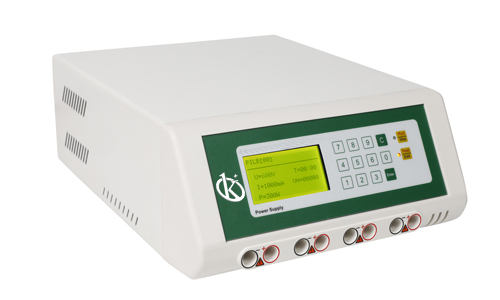
Predictive Maintenance and Recommended Calibration for High-Voltage Power Supply
High-voltage power supplies are critical components in various laboratory applications, particularly in research and testing environments. Implementing predictive maintenance and regular calibration protocols is essential to ensuring optimal performance, longevity, and compliance with industry standards. This article will explore the best practices for predictive maintenance and calibration specific to high-voltage power supplies, focusing on various models available in the market.
Understanding Predictive Maintenance for High-Voltage Power Supply
Predictive maintenance involves monitoring the condition of equipment to predict when maintenance should be performed. The aim is to prevent unexpected failures, minimize downtime, and optimize maintenance costs. For high-voltage power supplies, such as the models discussed in this article, implementing predictive maintenance strategies can significantly enhance reliability. Techniques include real-time monitoring of voltage, current, and environmental conditions to identify potential issues before they lead to failure.
Importance of Regular Calibration
Calibration ensures that the high-voltage power supply provides accurate output, which is essential in laboratory settings where precision is paramount. Regular calibration helps in maintaining compliance with laboratory standards and provides traceability to national and international reference standards. Each model of high-voltage power supply has its calibration requirements, which must be adhered to for optimal performance.
Key Calibration Practices
Several key practices are essential for effective calibration of high-voltage power supplies:
- Frequency of Calibration: Establishing a calibration schedule based on usage frequency and criticality of the measurements.
- Traceability: Ensuring calibration processes are traceable to recognized standards.
- Documentation: Maintaining accurate records of calibration results and adjustments made.
Overview of High-Voltage Power Supply Models
In this section, we will compare several high-voltage power supply models focusing on their suitability for predictive maintenance and calibration practices.
Comparison of Available Models
| Model | Output Range | Best For | Calibration Features | Price (USD) |
|---|---|---|---|---|
| YR03409 | 20–3000 V, 1–200 mA | Electrophoresis with 10 methods | Automatic fault detection, real-time output monitoring | 1105.80 |
| YR03408 | 20–5000 V, 1–200 mA | Complex applications with 100 methods | Automatic memory function, real-time tuning | 1475.00 |
| YR03405 | 10–600 V, 1–500 mA | General laboratory use | Step control, output display | 967.20 |
| YR03406 | 20–1600 V, 1–100 mA | Compact applications | Standard operation protocols | 552.00 |
| YR03407 | 20–3000 V, 1–400 mA | High-capacity setups | Memory automatic functions, output monitoring | 1383.00 |
Common Mistakes and How to Avoid Them
When implementing predictive maintenance and calibration for high-voltage power supplies, laboratories frequently encounter common pitfalls. Here are some mistakes to avoid:
- Ignoring Manufacturer Guidelines: Always follow the manufacturer's calibration intervals and recommendations for maintenance to ensure equipment longevity.
- Inconsistent Documentation: Failing to maintain clear documentation can lead to compliance issues and loss of traceability.
- Neglecting Environmental Conditions: High-voltage power supplies should be kept in controlled environments to avoid operational interferences.
Key Performance Indicators for Predictive Maintenance
Establishing clear KPIs is essential for assessing the effectiveness of predictive maintenance strategies for high-voltage power supplies. Common KPIs include:
- Mean Time Between Failures (MTBF): Measures the average time between equipment breakdowns. A higher MTBF indicates better performance.
- Mean Time to Repair (MTTR): Indicates the average time taken to repair equipment. A lower MTTR shows efficient maintenance practices.
- Calibration Accuracy: Measurements should remain within specified tolerances to ensure reliable operations.
Frequently Asked Questions
What are the recommended calibration intervals for high-voltage power supplies?
Calibration intervals for high-voltage power supplies, such as the YR03409 model, typically depend on usage frequency and manufacturer recommendations. Generally, they should be calibrated at least once a year, or more frequently if used in critical applications.
How does predictive maintenance enhance the performance of high-voltage power supplies?
Predictive maintenance boosts performance by allowing for monitoring of key parameters in high-voltage power supplies like the YR03408. This monitoring enables early detection of issues, reducing downtime and ensuring consistent output.
What are the best practices for documenting calibration procedures for high-voltage power supplies?
Best practices for documenting calibration include maintaining detailed records of each calibration event, specifying model codes like YR03406, and clearly noting any adjustments made to the settings or outputs during the process.
How can high-voltage power supplies ensure compliance with industry standards?
High-voltage power supplies such as the YR03405 can ensure compliance by adhering to established calibration protocols and maintaining traceability of calibration standards, essential for regulatory audits.
What factors influence the choice of high-voltage power supply for laboratory applications?
Factors influencing the choice of a high-voltage power supply include output range, calibration capabilities, and specific application requirements. For instance, YR03407 is ideal for high-capacity setups requiring robust performance.
How can I minimize downtime associated with high-voltage power supply failures?
Minimizing downtime can be achieved through predictive maintenance strategies that regularly monitor the performance of high-voltage power supplies like YR03409, allowing for timely repairs before failures occur.
What are the most common calibration challenges faced by laboratories?
Common calibration challenges include maintaining consistent environmental conditions and ensuring compliance with stringent regulatory requirements. Using models like YR03408 can help mitigate these issues through advanced calibration features.
How does the initial cost impact the ROI of high-voltage power supplies?
The initial cost influences ROI by determining the long-term operational expenses. For example, investing in high-quality models like YR03406 may have higher upfront costs but can yield better reliability and lower maintenance expenses over time.
If you are looking for a fusion of innovation and quality, you have come to the right place. At Kalstein, we offer you the luxury of exploring our exclusive catalog of laboratory equipment. We manufacture every device to the highest standards of excellence. Our intuitive and seamless online purchasing channels are designed for your convenience, securing the most competitive prices. Hesitate no longer — we bring science to life, it is time to become part of our community.