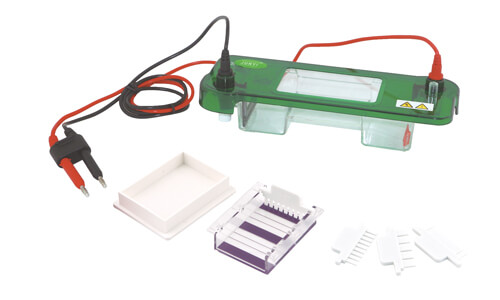
How to Implement Predictive Maintenance and Calibration for Horizontal Electrophoresis Systems
In the ever-evolving landscape of laboratory research, maintaining optimal performance and compliance is crucial. Horizontal electrophoresis systems play a vital role in various applications, from DNA analysis to protein separation. This article delves into the significance of predictive maintenance and periodic calibration for these systems, focusing on best practices and specific models available in the market.
Understanding Predictive Maintenance in Horizontal Electrophoresis
Predictive maintenance involves monitoring the performance and condition of equipment using data-driven analytics. This proactive approach reduces downtime and enhances efficiency. For horizontal electrophoresis systems, predictive maintenance is essential due to the complexity and precision required in electrophoretic experiments. By implementing predictive maintenance strategies, laboratories can anticipate failures before they occur, ensuring consistent results and minimizing disruptions.
Importance of Periodic Calibration
Calibration ensures that horizontal electrophoresis systems provide accurate and reliable results. Over time, equipment can drift out of calibration due to wear and tear or environmental factors. Regular calibration against traceable standards is necessary to ensure compliance with industry regulations and standards, such as ISO 17025. This practice not only maintains the integrity of the results but also enhances the credibility of the laboratory.
Key Calibration Standards for Electrophoresis Systems
Various standards guide the calibration of laboratory equipment, including ISO 17025, which outlines the requirements for testing and calibration laboratories. This standard emphasizes the need for traceability, proper documentation, and adherence to specified protocols. For horizontal electrophoresis systems, adherence to these standards ensures high-quality results and compliance with regulatory bodies.
Comparison of Available Models
| Model | Sample Volume (ml) | Buffer Volume (ml) | Weight (Kg) | Price (USD) |
|---|---|---|---|---|
| YR03415 | 3, 5, 9 | ~150 | 0.4 | 81.00 |
| YR03416 | 10, 15 | ~400 | 0.6 | 136.80 |
| YR03417 | 3, 6, 8, 11, 13, 18, 25 | ~550 | 1.1 | 183.00 |
| YR03418 | 1, 2, 3, 6, 14, 8, 17, 13, 29 | ~900 | 2.0 | 201.00 |
| YR03419 | 3, 5, 10, 15, 13, 26 | ~600 | 1.7 | 201.00 |
| YR03420 | 17, 22, 36, 44 | ~1800 | 3.3 | 330.60 |
Common Mistakes and How to Avoid Them
Many laboratories overlook the significance of predictive maintenance and calibration. Common mistakes include failing to establish a calibration schedule, neglecting the importance of traceability, and not involving qualified personnel in the calibration process. To avoid these pitfalls, laboratories should create a comprehensive maintenance plan, invest in training for staff, and utilize reliable calibration tools.
Best Practices for Predictive Maintenance
Implementing predictive maintenance involves several best practices: regularly monitor equipment performance, establish baseline measurements, use advanced analytics for trend analysis, and schedule maintenance based on actual usage and condition. For instance, using the Horizontal Electrophoresis Cell YR03420, laboratories can assess performance metrics that guide maintenance needs, ensuring optimal results and compliance with safety standards.
Effective Calibration Strategies
A successful calibration strategy includes creating a calibration schedule based on usage patterns and environmental conditions, maintaining detailed records of calibration activities, and employing certified calibration standards. Laboratories should also consider using devices like the YR03416 for its compact design and flexible sample capacity, ensuring reliable results during calibration processes.
Frequently Asked Questions
How often should horizontal electrophoresis systems be calibrated for best results?
Horizontal electrophoresis systems, like the YR03415, should ideally be calibrated at least once a year or more frequently depending on usage and environmental conditions. Regular calibration ensures compliance with ISO 17025 and provides reliable results across experiments.
What are the key benefits of predictive maintenance for electrophoresis labs?
Implementing predictive maintenance, especially for models such as the YR03418, minimizes unexpected downtimes, enhances equipment longevity, and ensures consistent performance, ultimately leading to more accurate results in electrophoresis experiments.
Which calibration standards apply to horizontal electrophoresis systems?
Calibration standards like ISO 17025 are essential for horizontal electrophoresis systems. Laboratories utilizing models like YR03419 must adhere to these standards to maintain accuracy and reliability in their electrophoretic results.
How can I ensure the reliability of my electrophoresis results?
To ensure the reliability of results from horizontal electrophoresis systems, regular calibration and predictive maintenance should be conducted. Utilizing models such as YR03420 allows laboratories to maintain precision and comply with necessary standards.
What role does documentation play in the calibration process?
Documentation is crucial in the calibration process for models like YR03416, as it provides traceability and compliance evidence for regulatory standards. Accurate records of calibration activities help maintain quality assurance in laboratory operations.
Can predictive maintenance reduce operational costs in laboratories?
Yes, predictive maintenance can significantly reduce operational costs by preventing equipment failures, thus minimizing downtime and repair costs. For instance, maintaining systems like the YR03417 ensures continuous operation and optimal performance, reducing long-term expenses.
How do I choose the right horizontal electrophoresis model for my lab?
Choosing the right model, such as YR03415 or YR03419, depends on your specific needs, sample volume requirements, and budget considerations. Assessing available features and ensuring compliance with calibration standards will guide you in making an informed decision.
If you are looking for a fusion of innovation and quality, you have come to the right place. At Kalstein, we offer you the luxury of exploring our exclusive catalog of laboratory equipment. We manufacture every device to the highest standards of excellence. Our intuitive and seamless online purchasing channels are designed for your convenience, securing the most competitive prices. Hesitate no longer — we bring science to life, it is time to become part of our community.