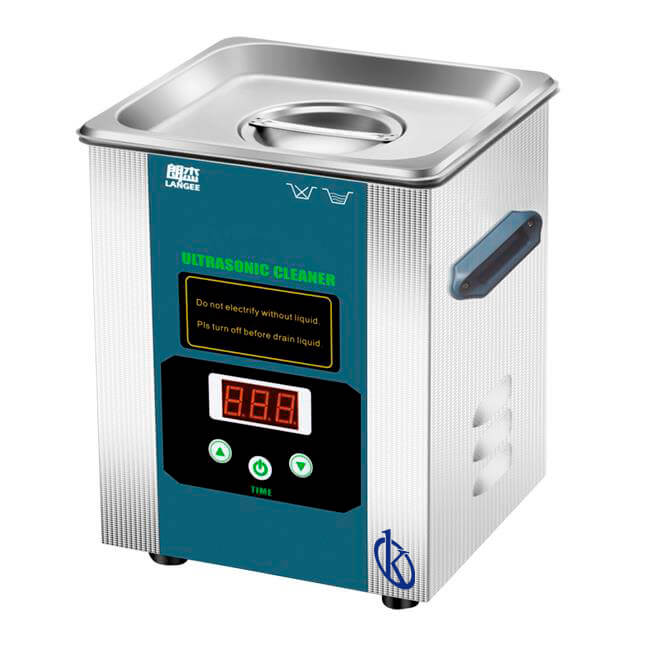
How to Ensure Predictive Maintenance and Recommended Calibration for Mechanical Desktop Ultrasonic Cleansers?
In the realm of laboratory equipment, mechanical desktop ultrasonic cleansers play a pivotal role in ensuring thorough cleaning of delicate items such as jewelry and laboratory instruments. Regular maintenance and calibration of these devices are crucial to maximize their effectiveness and lifespan. This article focuses on the predictive maintenance and calibration strategies necessary for these devices, emphasizing key models and their specific applications.
Understanding Predictive Maintenance and Calibration in Ultrasonic Cleansers
Predictive maintenance refers to the proactive approach of monitoring the condition of equipment to predict when maintenance should be performed. This method helps in minimizing downtime and extending the life of the ultrasonic cleansers. Calibration, on the other hand, ensures that the device operates within the manufacturer's specifications, which is vital for maintaining accurate cleaning performance.
Importance of Predictive Maintenance for Ultrasonic Cleansers
Implementing a predictive maintenance strategy for mechanical desktop ultrasonic cleansers can lead to significant cost savings and efficiency improvements. Regular monitoring can identify wear and tear before it leads to equipment failure. This approach not only enhances operational reliability but also ensures compliance with industry standards.
Recommended Calibration Intervals for Ultrasonic Cleansers
Calibration of ultrasonic cleansers should be performed regularly to ensure precision in cleaning. The frequency of calibration can depend on usage levels, but a general recommendation is every 6 months for high-use environments. However, models like the YR05202 and YR05206 may require more frequent checks due to their advanced features.
Key Models of Mechanical Desktop Ultrasonic Cleansers
There are several models of mechanical desktop ultrasonic cleansers available, each designed for specific applications and maintenance needs. Understanding these models can help laboratories select the appropriate unit based on predictive maintenance capabilities and calibration requirements.
Comparison of Available Models
| Model | Internal Dimensions (mm) | External Dimensions (mm) | Capacity (L) | Ultrasonic Power (W) | Frequency (kHz) | Price (USD) |
|---|---|---|---|---|---|---|
| YR05207 | 150 x 135 x 65 | 242 x 227 x 265 | 1.3 | 70 | 40 | 43.00 |
| YR05202 | 300 x 240 x 150 | 368 x 270 x 290 | 11 | 240 | 40/80/120 | 540.00 |
| YR05203 | 330 x 300 x 150 | 397 x 320 x 371 | 15 | 360 | 40/80/120 | 640.00 |
| YR05204 | 330 x 300 x 200 | 397 x 320 x 368 | 20 | 360 | 40/80/120 | 680.00 |
| YR05205 | 500 x 300 x 150 | 560 x 320 x 317 | 22 | 480 | 40/80/120 | 760.00 |
| YR05206 | 500 x 300 x 200 | 560 x 320 x 385 | 30 | 600 | 40/80/120 | 810.00 |
Common Mistakes and How to Avoid Them
Laboratories often make several common mistakes regarding maintenance and calibration of ultrasonic cleansers. One frequent error is neglecting the calibration schedule, leading to degraded cleaning performance. Additionally, using inappropriate cleaning solutions can damage the equipment. To avoid these pitfalls, it is crucial to establish a routine maintenance schedule and adhere to the manufacturer's guidelines for cleaning agents.
Frequently Asked Questions
What is the best frequency for calibration of mechanical desktop ultrasonic cleansers?
Calibration of mechanical desktop ultrasonic cleansers should ideally occur every 6 months, especially for models like the YR05206, which are used frequently in demanding laboratory environments. This ensures compliance with standards and optimal cleaning performance.
How can predictive maintenance improve the lifespan of ultrasonic cleansers?
Predictive maintenance can enhance the lifespan of ultrasonic cleansers, such as the YR05202, by identifying wear and potential issues before they lead to failures. This proactive approach minimizes downtime and reduces overall maintenance costs.
Which ultrasonic cleaner model is most suited for heavy cleaning tasks?
The YR05206 is particularly suited for heavy cleaning tasks due to its large capacity of 30 liters and powerful ultrasonic output. This makes it ideal for cleaning larger items effectively while ensuring thorough results.
What cleaning solutions are recommended for ultrasonic cleansers?
It is recommended to use mild, water-based cleaning solutions for ultrasonic cleansers to avoid damaging the internal components. Always check for compatibility with specific models like the YR05203 to ensure optimal performance.
How does temperature affect the cleaning efficiency of ultrasonic cleaners?
Temperature significantly affects the cleaning efficiency of ultrasonic cleaners. Higher temperatures generally enhance the cleaning process but must be balanced with the manufacturer's recommendations for models like the YR05205 to avoid damaging the items being cleaned.
What features should I look for in a mechanical desktop ultrasonic cleanser?
When choosing a mechanical desktop ultrasonic cleanser, look for features such as adjustable frequencies, heating capabilities, and a suitable tank capacity for your needs. Models like the YR05202 offer multiple frequency settings for enhanced versatility.
What maintenance schedule should I follow for ultrasonic cleansers?
A regular maintenance schedule for ultrasonic cleaners should include checks every 3 months for wear and tear, along with comprehensive calibration every 6 months. This is critical for maintaining the performance of models like the YR05204.
If you are looking for a fusion of innovation and quality, you have come to the right place. At Kalstein, we offer you the luxury of exploring our exclusive catalog of laboratory equipment. We manufacture every device to the highest standards of excellence. Our intuitive and seamless online purchasing channels are designed for your convenience, securing the most competitive prices. Hesitate no longer — we bring science to life, it is time to become part of our community.