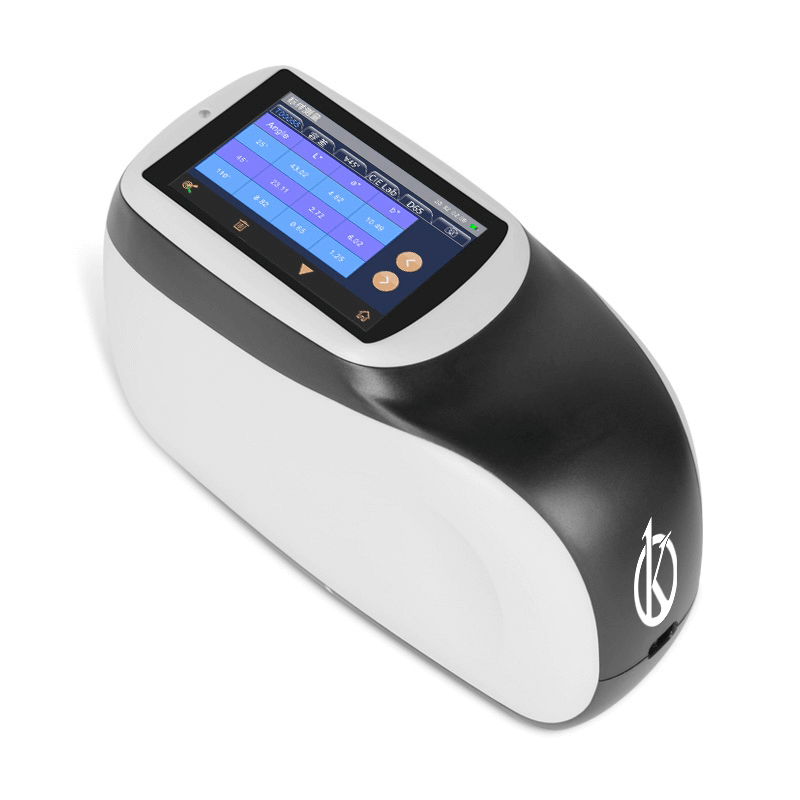
Predictive Maintenance and Recommended Calibration for Multi Angle Spectrophotometers
Multi angle spectrophotometers are indispensable tools in laboratories, particularly for color measurement and quality control across various industries. The accuracy and reliability of these instruments are paramount, necessitating robust maintenance and calibration practices. This article delves into the critical aspects of predictive maintenance and recommended calibration for multi angle spectrophotometers, focusing on achieving optimal performance and compliance with industry standards.
Understanding Predictive Maintenance
Predictive maintenance is a proactive approach designed to predict when equipment failure might occur, allowing for timely interventions. This method is particularly beneficial for multi angle spectrophotometers, which are sensitive instruments requiring regular oversight. By employing predictive maintenance techniques, laboratories can reduce unplanned downtimes and extend the lifespan of their equipment.
This approach integrates data analysis and condition monitoring technologies, enabling users to anticipate maintenance needs based on actual performance data rather than relying on a fixed schedule. For example, monitoring the optical system's performance in multi angle spectrophotometers can help identify calibration drift before it impacts measurements.
Calibration: The Backbone of Precision
Calibration is the process of verifying that an instrument measures accurately against a known standard. For multi angle spectrophotometers, calibration must be performed regularly to ensure the accuracy of color measurements and compliance with industry standards such as ASTM and ISO.
Regular calibration not only assures precision but also helps in maintaining compliance with regulations and quality standards. It is recommended that laboratories establish a calibration schedule based on usage frequency, environmental conditions, and manufacturer guidelines. For example, the Multiangle Spectrophotometer YR05491 should ideally be calibrated quarterly if used daily.
Key Factors Influencing Calibration Frequency
- Usage Frequency: More frequent use generally necessitates more regular calibrations.
- Environmental Conditions: Laboratories with high dust or humidity levels may require more frequent calibration.
- Type of Measurements: Sensitive applications may need stricter calibration intervals.
Common Calibration Standards for Multi Angle Spectrophotometers
Multi angle spectrophotometers must adhere to various calibration standards to ensure measurement accuracy. Some key standards include:
- ASTM D 2244: Standard Test Method for Color Difference of Paints.
- ISO 7724: Color Measurement — Part 1: Principles.
- DIN 5033: Standard Methods for Color Measurement.
Comparison of Available Models
| Model Code | Measurement Geometry | Calibration Requirements | Optical System Specifications | Ideal Usage Scenario |
|---|---|---|---|---|
| YR05491 | 8 angles (6 illumination sources, 2 receivers) | Quarterly, high accuracy | Excellent optical performance | Paint color difference analysis |
| YR05492 | 12 angles (7 illumination sources, 2 receivers) | Monthly, stringent standards compliance | Advanced optical system | High-end color measurement |
| YR05488 | 3 angles (3 illumination sources, 1 receiver) | Biannual, regular checks | Stable measurement performance | Standard paint analysis |
| YR05489 | 5 angles (5 illumination sources, 1 receiver) | Biannual, as per usage | Consistent optical output | General color analysis |
| YR05490 | 3 angles (3 illumination sources, 1 receiver) | Quarterly, consistent accuracy required | Reliable optical performance | Field color measurements |
Common Mistakes and How to Avoid Them
In the realm of multi angle spectrophotometry, several pitfalls can lead to measurement inaccuracies and compliance issues. Here are some common mistakes and strategies to avoid them:
- Neglecting Regular Calibration: Many laboratories fail to adhere strictly to calibration schedules. Institutions should implement a reminder system to ensure timely calibration.
- Ignoring Environmental Factors: Conditions such as humidity and temperature can affect measurements. It is crucial to maintain stable environmental conditions in labs.
- Inadequate Training: Operators who lack training may misuse the equipment. Regular training sessions can mitigate this risk.
Frequently Asked Questions
How can predictive maintenance improve the lifespan of multi angle spectrophotometers?
Predictive maintenance can enhance the lifespan of multi angle spectrophotometers by addressing potential issues before they lead to failures. For instance, using the Multiangle Spectrophotometer YR05491, data analysis can predict calibration drift, thereby allowing timely adjustments. This proactive approach minimizes downtime and maximizes instrument performance.
What are the ideal calibration intervals for multi angle spectrophotometers?
The ideal calibration intervals for multi angle spectrophotometers depend on usage and environmental conditions. For example, the YR05492 may require monthly calibration for high-accuracy applications, while a less frequently used model like the YR05488 could be calibrated biannually. Establishing a tailored calibration schedule is crucial for maintaining measurement accuracy.
Which standards must multi angle spectrophotometers comply with?
Multi angle spectrophotometers must comply with several industry standards, including ASTM D 2244 for color difference testing and ISO 7724 for color measurement principles. For instance, models like YR05491 and YR05492 are designed to meet these rigorous standards, ensuring reliable and accurate measurement results in laboratories.
How does environmental control affect calibration of multi angle spectrophotometers?
Environmental control plays a significant role in the calibration of multi angle spectrophotometers. Fluctuations in temperature and humidity can alter measurement accuracy. For example, the YR05490 may show different readings if used in a high-humidity environment without proper control. Therefore, maintaining stable lab conditions is essential for reliable results.
What is the impact of regular calibration on spectrophotometer accuracy?
Regular calibration ensures that multi angle spectrophotometers, such as the YR05488, maintain their accuracy over time. Calibration against known standards helps identify deviations in measurements, allowing for quick adjustments. This practice not only enhances precision but also ensures compliance with industry standards.
How can laboratories implement a predictive maintenance strategy for spectrophotometers?
Laboratories can implement a predictive maintenance strategy by utilizing data analysis tools to monitor the performance of multi angle spectrophotometers like the YR05492. By tracking key performance indicators (KPIs) such as calibration drift, laboratories can schedule maintenance proactively, reducing the risk of unexpected failures.
What are the benefits of using advanced models like YR05492 for calibration?
Using advanced models like the YR05492 for calibration offers numerous benefits, including enhanced measurement accuracy due to its 12-angle configuration and 7 illumination sources. This model's superior optical system allows for precise color difference measurements, making it ideal for stringent quality control applications.
Why should laboratories prioritize predictive maintenance in their workflow?
Laboratories should prioritize predictive maintenance as it significantly reduces equipment downtime and enhances the reliability of results. By leveraging predictive maintenance strategies, users of multi angle spectrophotometers such as YR05491 can ensure consistent performance, ultimately saving costs and improving operational efficiency.
If you are looking for a fusion of innovation and quality, you have come to the right place. At Kalstein, we offer you the luxury of exploring our exclusive catalog of laboratory equipment. We manufacture every device to the highest standards of excellence. Our intuitive and seamless online purchasing channels are designed for your convenience, securing the most competitive prices. Hesitate no longer — we bring science to life, it is time to become part of our community.