How to Ensure Predictive Maintenance and Calibration for Oil Baths
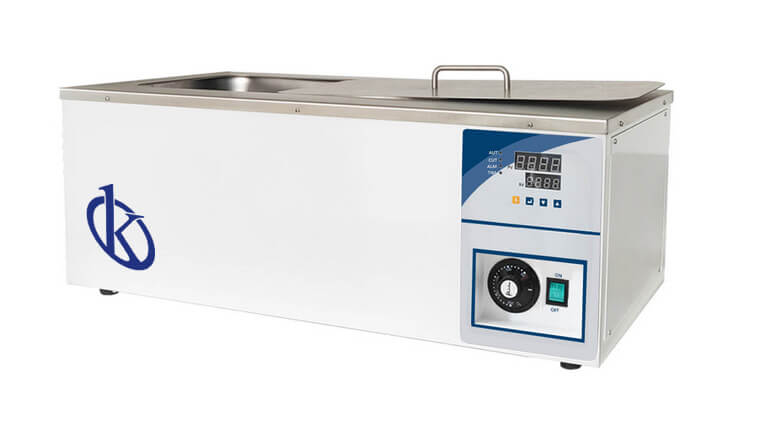
In the realm of laboratory operations, particularly in fields such as bioengineering, medicine, and food sciences, maintaining precision in temperature control is crucial. Oil baths, such as the Oil Bath YR04973, YR04974, YR04975, and YR04976, serve as essential devices to provide stable and uniform temperature conditions. This article delves deep into the importance of predictive maintenance and periodic calibration for oil baths, ensuring their optimal performance and longevity.
Understanding Predictive Maintenance in Oil Baths
Predictive maintenance refers to the strategies implemented to predict when equipment failure might occur so that maintenance can be performed just in time to avoid unplanned downtime. For oil baths, this involves regularly monitoring performance indicators such as temperature fluctuations and operational anomalies. Implementing predictive maintenance can significantly enhance the reliability of oil baths, ensuring consistent results in experiments.
Utilizing models like YR04973, which features a microcomputer control system, can help achieve rapid temperature rises and stable conditions, making it suitable for various laboratory applications. By regularly assessing the performance data of these models, lab technicians can identify potential issues early, ultimately reducing costly repairs or replacements.
Calibrating Oil Baths: A Necessity for Accurate Results
Calibration is the process of configuring an instrument to provide a result for a sample within an acceptable range. For oil baths, calibration is essential to ensure that the temperature readings are accurate and that the device functions correctly within its specified limits. Regular calibration helps in maintaining compliance with industry standards, such as ISO 17025, which mandates that laboratories demonstrate their capability to produce accurate and reliable results.
The calibration process for oil baths involves comparing the readings from the device against a known standard. Models like YR04975, which have temperature stability and accuracy features, are beneficial in critical applications where precise temperature control is vital. Following a systematic calibration schedule allows labs to uphold their quality assurance protocols and meet regulatory requirements.
Key Features of Oil Baths for Predictive Maintenance and Calibration
When considering oil baths for predictive maintenance and calibration, certain features should be prioritized:
- Temperature Stability: Models like YR04976 offer minimal temperature fluctuation, ensuring that experiments are conducted under optimal conditions.
- Control System: Advanced PID controllers in these models allow for quick adjustments, which are crucial for maintaining desired conditions.
- Durability and Safety: Features such as overcurrent protection and over-temperature alarms are vital for preventing equipment damage during operation.
Comparison of Available Models
| Model | Temperature Range (°C) | Power (W) | Price (USD) | Best for |
|---|---|---|---|---|
| YR04973 | RT +5~250 | 1000 | 150.00 | General laboratory use |
| YR04974 | RT +5~250 | 1200 | 165.00 | Biological applications |
| YR04975 | RT +5~250 | 1600 | 192.00 | Chemical analysis |
| YR04976 | RT +5~250 | 2000 | 250.00 | High-precision tasks |
Common Mistakes and How to Avoid Them
Many laboratories often overlook the importance of regular maintenance and calibration of their oil baths. Key mistakes include:
- Neglecting Calibration Schedules: Failing to adhere to a strict calibration schedule can lead to inaccurate temperature readings. Labs should establish a routine that aligns with their operational demands.
- Ignoring Performance Data: Not monitoring the performance of oil baths can result in unnoticed deviations from required specifications. Utilize built-in data logging features to keep track of performance trends.
- Using Inappropriate Calibration Standards: Always ensure that the standards used for calibration are traceable to national or international standards to ensure compliance.
Frequently Asked Questions
How does predictive maintenance improve the efficiency of oil baths in laboratories?
Predictive maintenance enhances the efficiency of oil baths, such as YR04974, by allowing lab technicians to anticipate potential failures and perform maintenance proactively. This approach reduces downtime and ensures the oil bath operates within its optimal temperature range, maintaining consistency in laboratory results.
What is the recommended calibration frequency for oil baths used in critical experiments?
For critical experiments, calibration of oil baths, including models like YR04975, should be conducted at least quarterly. More frequent calibration might be necessary if the equipment experiences heavy use or operates under variable conditions to ensure compliance with accuracy standards.
Which features should I look for in an oil bath for precise temperature control?
When selecting an oil bath, it's crucial to look for features such as a PID controller, minimal temperature fluctuation, and safety alarms. The YR04976 model, for instance, is designed with advanced control systems that provide precise temperature management, making it ideal for sensitive experiments.
How can regular calibration of oil baths affect lab compliance with ISO 17025?
Regular calibration of oil baths is essential for maintaining compliance with ISO 17025, which requires laboratories to ensure accurate temperature measurements. Models like YR04973, when calibrated routinely, help labs demonstrate their proficiency and reliability in testing and measurement.
What are the dangers of neglecting maintenance on oil baths in laboratory settings?
Neglecting maintenance on oil baths can lead to equipment failures, inaccurate temperature readings, and potential damage to experiments. Consistent upkeep, especially in models like YR04974, ensures reliable operation and prevents costly downtime in laboratory processes.
Can I integrate oil baths into a laboratory information management system (LIMS)?
Yes, many modern oil baths, such as YR04975, can be integrated into a LIMS for better data management and compliance tracking. This integration allows for automated calibration reminders and performance monitoring, streamlining laboratory workflows.
How much does it cost to maintain and calibrate oil baths annually?
The annual cost of maintaining and calibrating oil baths can vary based on usage and model. For example, the YR04976, due to its advanced features, may require a higher maintenance budget, estimated at around $300 per year, while simpler models might be less expensive to maintain.
What is the best oil bath model for high-throughput laboratory applications?
For high-throughput applications, the YR04976 model is often recommended because of its higher power and temperature stability features. Its design allows for quick temperature recovery, making it suitable for laboratories that run multiple samples in a short time frame.
If you are looking for a fusion of innovation and quality, you have come to the right place. At Kalstein, we offer you the luxury of exploring our exclusive catalog of laboratory equipment. We manufacture every device to the highest standards of excellence. Our intuitive and seamless online purchasing channels are designed for your convenience, securing the most competitive prices. Hesitate no longer — we bring science to life, it is time to become part of our community.