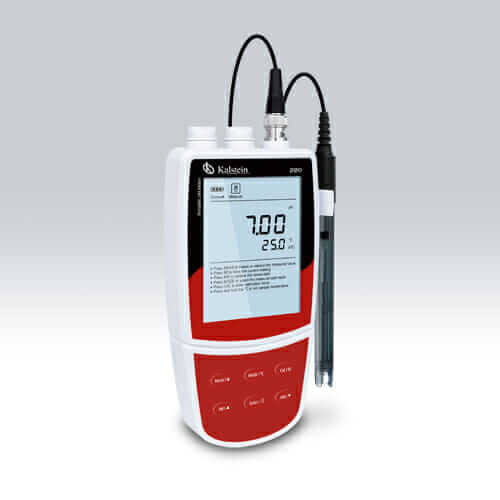
Ensuring Predictive Maintenance and Recommended Calibration for Table pH Meters
Table pH meters are essential tools in laboratories, ensuring accurate pH measurements across various applications. The need for predictive maintenance and regular calibration is paramount for maintaining their accuracy and reliability. This article focuses on the importance of these practices, the models available, and how they can significantly affect laboratory efficiency.
Understanding Predictive Maintenance and Calibration
Predictive maintenance involves monitoring the performance of equipment to anticipate failures before they occur, effectively saving time and costs associated with unexpected breakdowns. On the other hand, calibration ensures that your pH meters provide accurate readings by adjusting them to known standards. Both practices are crucial in maintaining the operational integrity of table pH meters.
Importance of Calibration in pH Meters
Calibration is critical for ensuring accurate measurements in any laboratory setting. For table pH meters, calibrating against standard buffer solutions helps compensate for deviations in sensor performance over time. Regular calibration can prevent costly errors in critical experiments and is vital for compliance with quality standards such as ISO 17025.
Recommended Calibration Practices for Table pH Meters
Calibration for table pH meters should be performed regularly, following specific guidelines. It's generally recommended to calibrate at least once a week, depending on usage frequency and the type of samples being measured. In addition, implementing a calibration schedule that includes a checklist can enhance consistency and reliability in readings.
Comparison of Available Models
| Model | Calibration Points | Measurement Range | Precision | Price (USD) |
|---|---|---|---|---|
| YR0220A | 1 to 5 points | -2.00 to 20.00 pH | ±0.01 pH | 155.00 |
| YR01822 | 1 to 3 points | -2.00 to 20.00 pH | ±0.002 pH | 215.00 |
| YR01825 | 1 to 3 points | -2.00 to 20.00 pH | ±0.002 pH | 335.00 |
| YR01823-2 | 1 to 5 points | -2.00 to 20.00 pH | ±0.002 pH | 315.00 |
| YR01823 | 1 to 3 points | -2.00 to 20.00 pH | ±0.02 pH | 285.00 |
| YR01826 | 1 to 3 points | -2.00 to 19.99 pH | ±0.02 pH | 199.00 |
Common Mistakes and How to Avoid Them
One of the most common errors in using table pH meters is neglecting regular calibration. Laboratories should establish a strict calibration schedule and ensure all personnel are trained in the importance of this practice. Another mistake is using outdated buffer solutions for calibration, which can lead to inaccurate readings. Always check expiration dates and store buffers properly.
Best Practices for Implementing Predictive Maintenance
For effective predictive maintenance in pH meters, consider using a condition monitoring system that tracks performance metrics and alerts users to potential issues. Regular inspections and performance assessments help identify early signs of wear or malfunction. Adopting a proactive maintenance culture within the laboratory will ensure optimal equipment performance.
Calibration Intervals and Frequency
The frequency of calibration largely depends on usage. For high-frequency users, calibration before each batch of tests is recommended, while less frequent users might calibrate every few days. A good practice is to document calibration results and adjustments in laboratory records to maintain traceability and compliance with quality standards.
Frequently Asked Questions
How often should I calibrate my table pH meter for accurate readings?
Calibration frequency depends on usage; however, it is generally advisable to calibrate your table pH meter, like the YR0220A, at least once a week or before critical measurements to ensure accuracy and compliance with standards.
Which calibration points are recommended for the YR01822 table pH meter?
The YR01822 table pH meter supports 1 to 3 calibration points, which should be calibrated against standardized buffer solutions to ensure accurate pH readings during laboratory operations.
What are the consequences of not calibrating my table pH meter regularly?
Neglecting regular calibration can lead to inaccurate pH readings and compromised results, ultimately affecting research outcomes and quality compliance in laboratories utilizing devices like the YR01825.
Which table pH meter is best for high-precision needs?
For high-precision applications, the YR01823-2 is ideal, offering a precision of ±0.002 pH and calibration options of up to 5 points, making it suitable for rigorous laboratory environments.
What are the best practices for maintaining my table pH meter?
Best practices include regular calibration, monitoring performance, cleaning the electrode according to manufacturer guidelines, and documenting usage and maintenance activities for compliance and traceability.
How does predictive maintenance improve the reliability of pH meters?
Implementing predictive maintenance, such as using condition monitoring systems, improves reliability by identifying potential issues early, thus avoiding unexpected equipment failures and costly downtime in laboratories using models like the YR01826.
What role does temperature compensation play in pH meter accuracy?
Temperature compensation is crucial for accurate pH measurements, as pH readings can vary with temperature changes. Models such as the YR0220A incorporate automatic temperature compensation to enhance measurement reliability.
How can I integrate my pH meter with laboratory information systems?
Many modern pH meters offer USB connectivity options, allowing for easy integration with laboratory information systems. Consider models like the YR01822, which supports data transfer to streamline laboratory workflows.
If you are looking for a fusion of innovation and quality, you have come to the right place. At Kalstein, we offer you the luxury of exploring our exclusive catalog of laboratory equipment. We manufacture every device to the highest standards of excellence. Our intuitive and seamless online purchasing channels are designed for your convenience, securing the most competitive prices. Hesitate no longer — we bring science to life, it is time to become part of our community.