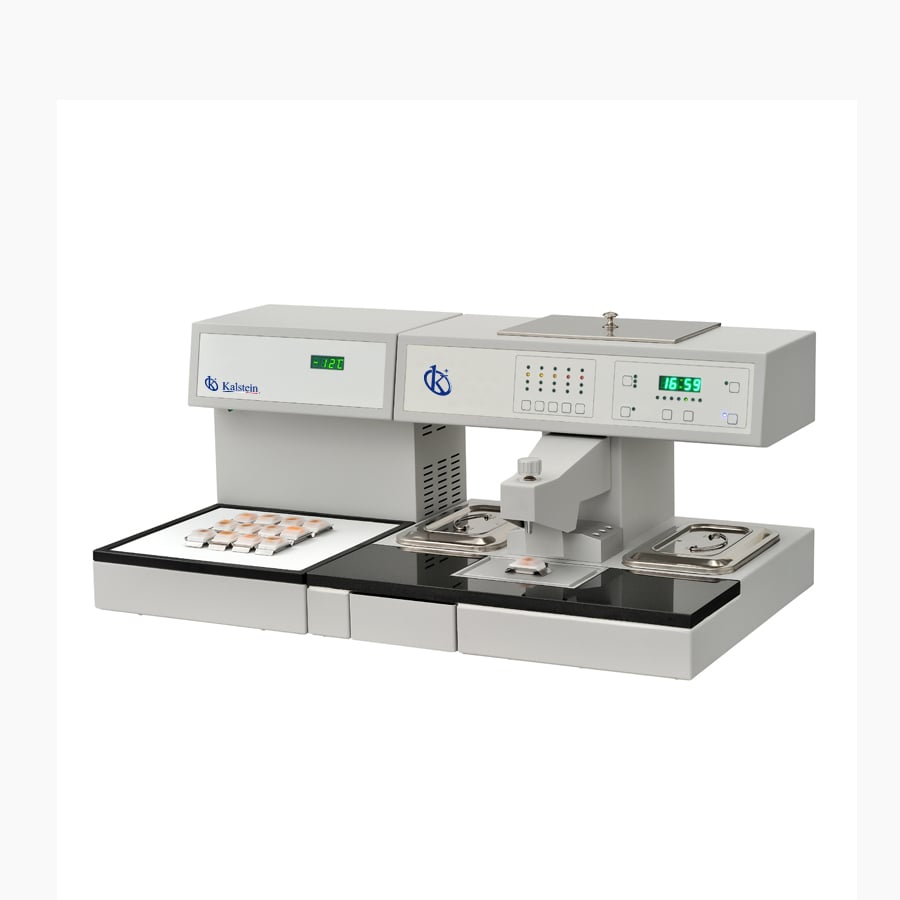
How to Implement Predictive Maintenance and Recommended Calibration for Tissue Embedding Systems
Tissue embedding systems play a crucial role in pathological anatomy labs, ensuring that tissue samples are processed effectively for microscopic examination. To maintain the reliability and accuracy of these systems, it is essential to implement predictive maintenance and adhere to recommended calibration practices. By focusing on these areas, laboratory professionals can enhance the performance of their systems, reduce downtime, and extend the lifespan of their equipment.
Understanding Predictive Maintenance in Tissue Embedding Systems
Predictive maintenance (PdM) is a proactive approach that utilizes data analysis and monitoring to predict equipment failures before they occur. In the context of tissue embedding systems, implementing PdM can help laboratories avoid costly repairs and ensure consistent operation. The application of PdM involves monitoring critical parameters such as temperature control, mechanical wear, and electronic performance.
Benefits of Predictive Maintenance
Utilizing predictive maintenance in tissue embedding systems brings several benefits:
- Reduced Downtime: Proactively addressing potential issues prevents unexpected breakdowns.
- Cost Savings: Fewer emergency repairs lead to lower maintenance costs.
- Enhanced Performance: Regular monitoring ensures that systems operate at optimal efficiency.
- Longer Equipment Lifespan: Timely maintenance extends the life of the equipment.
Recommended Calibration Practices for Tissue Embedding Systems
Calibration is vital to ensure that tissue embedding systems operate within specified parameters. Regular calibration helps to maintain the accuracy of temperature controls, which is critical for effective tissue processing. Laboratories should implement a calibration schedule that adheres to established industry standards.
Calibration Standards and Frequency
According to ISO 17025, laboratories must establish a calibration schedule based on the frequency of use and the manufacturer's recommendations. Typically, tissue embedding systems should be calibrated:
- Before initial use
- After any major repairs or modifications
- At regular intervals, such as quarterly or bi-annually
Importance of Temperature Control in Tissue Embedding Systems
Temperature control is critical in tissue embedding systems to ensure effective tissue infiltration and embedding. Each model has specific temperature ranges that must be maintained for optimal performance. Variations outside these ranges can result in suboptimal tissue processing.
Temperature Ranges and Their Impact
For instance, the Tissue Inclusion Center YR441 operates within a temperature range of 55 - 70℃, while the YR447 can reach temperatures from RT to 85℃. Failing to maintain these specified temperatures can lead to poor tissue quality, which affects diagnostic accuracy.
Comparison of Available Models
| Model | Temperature Range | Capacity of Paraffin Chamber | Price (USD) | Best for |
|---|---|---|---|---|
| YR441 | 55 - 70℃ | 3 liters | 2200.00 | Multi-sample processing |
| YR447 | RT - 85℃ | 4 liters | 2800.00 | High-temperature applications |
| YR439 | 55 - 70℃ | 3 liters | 1300.00 | Budget-friendly solution |
| YR445 | RT - 85℃ | 4 liters | 1800.00 | Versatile processing needs |
| YR439-1 | TA-85℃ | >6 liters | 2100.00 | High-capacity requirements |
| YR440B | 0 to -20℃ | N/A | 1100.00 | Cooling applications |
Common Mistakes and How to Avoid Them
Laboratories often encounter challenges when implementing predictive maintenance and calibration protocols. Common mistakes include:
- Neglecting Calibration Schedules: Failing to establish or follow a calibration schedule can lead to inaccurate results.
- Ignoring Environmental Factors: Environmental conditions can affect equipment performance; keep the lab environment stable.
- Underestimating Training Needs: Ensure staff are adequately trained on equipment use and maintenance protocols.
To avoid these pitfalls, laboratories should document all maintenance activities and ensure that each technician understands the importance of adherence to schedules and protocols.
Frequently Asked Questions
How does predictive maintenance improve the reliability of tissue embedding systems?
Predictive maintenance enhances the reliability of tissue embedding systems like the YR441 by monitoring critical system parameters, allowing for early detection of potential issues before they lead to operational failures. This proactive approach minimizes downtime and ensures consistent tissue processing.
What calibration intervals are recommended for the Tissue Inclusion Center YR447?
The Tissue Inclusion Center YR447 should be calibrated at least quarterly or after significant modifications, in line with the ISO 17025 standards. This ensures that the temperature range of RT - 85℃ is accurately maintained for optimal tissue embedding.
Which features should I look for in a tissue embedding system for optimal performance?
When selecting a tissue embedding system, consider features like temperature control accuracy (±1%), capacity, and the ability to accommodate multiple samples. For example, the YR445 offers a range of ambient to 85℃, making it suitable for diverse laboratory needs.
How often should I check the temperature calibration on my embedding system?
The temperature calibration on tissue embedding systems should be checked before initial use and at regular intervals, such as every three months. For instance, both the YR439 and YR441 have specified ranges that must be adhered to for effective tissue processing.
What are the risks of not calibrating tissue embedding systems regularly?
Neglecting regular calibration can lead to inaccurate temperature measurements, resulting in poorly processed tissue samples. This compromises the diagnostic quality of the samples, which could hinder proper analysis and outcomes in studies. Regular calibration of systems such as the YR445 is essential.
Which model provides the best energy efficiency for embedding procedures?
The Tissue Inclusion Center YR447 is designed with next-generation heating elements that offer quick, uniform, and energy-efficient heating. This model is ideal for labs focused on energy conservation while maintaining performance in embedding procedures.
How can I ensure compliance with calibration standards for my models?
To ensure compliance with calibration standards, maintain accurate records of all calibration activities and follow the manufacturer’s guidelines. Models like the YR439-1 come equipped with features that support automated monitoring, aiding in compliance with ISO standards.
What role does temperature control play in the quality of embedded tissue samples?
Temperature control is critical in maintaining the integrity of embedded tissue samples. Models such as the YR440B must maintain specific temperature ranges to ensure that samples do not degrade, which directly impacts the quality of histological analysis.
If you are looking for a fusion of innovation and quality, you have come to the right place. At Kalstein, we offer you the luxury of exploring our exclusive catalog of laboratory equipment. We manufacture every device to the highest standards of excellence. Our intuitive and seamless online purchasing channels are designed for your convenience, securing the most competitive prices. Hesitate no longer — we bring science to life, it is time to become part of our community.