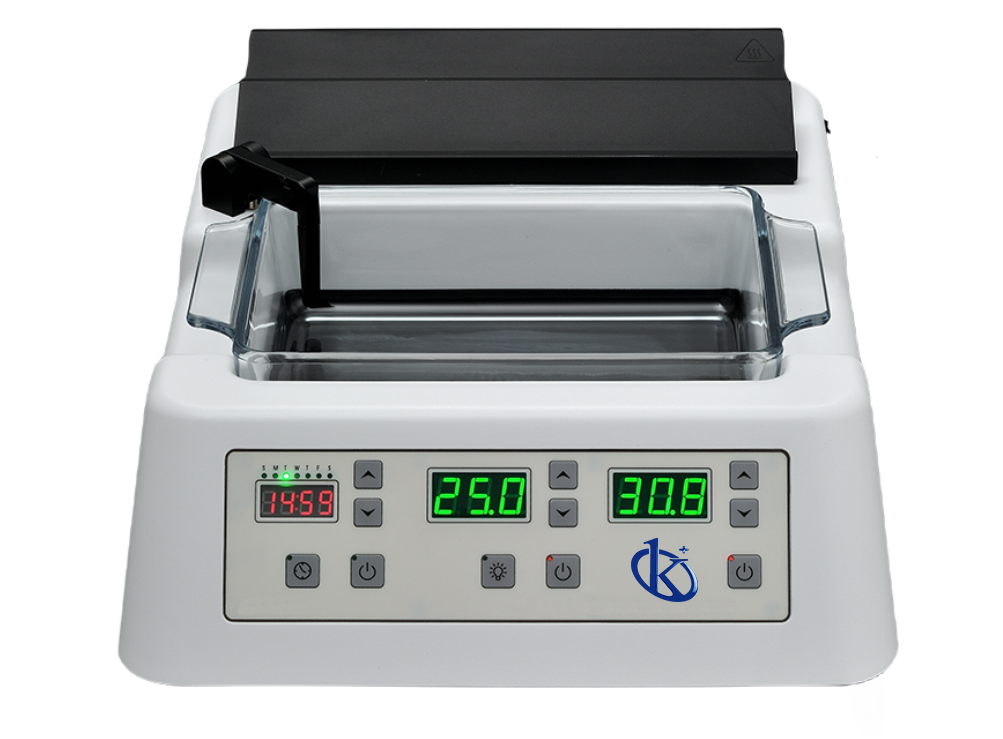
How to Implement Predictive Maintenance and Recommended Calibration for Tissue Flotation Workstations
Tissue flotation is a critical process in pathological anatomy, essential for preparing samples for microscopic examination. To ensure optimal performance and accuracy, laboratories must prioritize predictive maintenance and periodic calibration of tissue flotation workstations. This article delves into best practices, comparing multiple models, and providing actionable insights to enhance workflow efficiency.
Understanding Predictive Maintenance in Tissue Flotation
Predictive maintenance involves scheduled checks and equipment monitoring to prevent breakdowns and ensure continuous operation of tissue flotation workstations. By analyzing data from the equipment, labs can identify potential failures and address them proactively. This approach minimizes downtime and extends equipment lifespan, essential for maintaining high operational standards.
Recommended Calibration Intervals for Optimal Performance
Calibration is vital in any laboratory setting to ensure instruments operate within specified tolerances. For tissue flotation workstations, calibration should occur at regular intervals, generally every 6 to 12 months, depending on usage and manufacturer specifications. Calibration guarantees that temperature controls and memory functions are accurate, which is particularly critical for models such as YR457-1 and YR456, which feature automatic memory restoration.
Comparison of Available Models
| Model | Temperature Range | Control Precision | Dimensions | Best for |
|---|---|---|---|---|
| YR457-1 | RT - 70°C (Water Bath); RT - 100°C (Slide Dryer) | ±2°C | 460×310×135 mm | High-volume labs needing precision and reliability |
| YR456 | RT - 70°C (Water Bath); RT - 100°C (Slide Dryer) | ±2°C | 155×155 mm (Water Bath) | Small to medium labs requiring real-time monitoring |
| YR457 | RT - 70°C (Water Bath); RT - 100°C (Slide Dryer) | ±2°C | 210×170×60 mm (Water Bath) | Versatile labs with varied sample types |
Common Mistakes and How to Avoid Them
Laboratories often overlook the need for consistent calibration and maintenance, leading to inaccurate results and operational disruptions. One common mistake is failing to track calibration dates and equipment performance metrics. To avoid this, implement a systematic schedule for calibrating tissue flotation workstations and maintain documentation for all maintenance actions. Utilizing models such as YR456 with built-in memory functions can assist in keeping track of necessary settings and performance history.
Best Practices for Predictive Maintenance
To implement predictive maintenance effectively within your lab, consider the following best practices:
- Regular Monitoring: Use software to monitor performance metrics and detect anomalies early.
- Training Staff: Ensure all lab personnel are trained in operating procedures and troubleshooting to minimize errors.
- Documentation: Keep meticulous records of maintenance, calibration, and any operational issues to inform future decisions.
Energy Efficiency in Tissue Flotation Workstations
Energy consumption is another crucial factor in maintaining tissue flotation workstations efficiently. Regular calibration and predictive maintenance not only extend the lifespan of your equipment but can also reduce energy costs. For instance, models like YR457 and YR457-1 are designed with energy-efficient features that optimize power usage during operation. This is increasingly important as labs strive for sustainability.
Frequently Asked Questions
What are the recommended calibration frequencies for tissue flotation workstations?
Calibration for tissue flotation workstations should ideally be performed every 6 to 12 months, depending on the model and usage intensity. Models like YR457-1 feature automatic memory functions that assist in maintaining accuracy across different calibration intervals.
How does predictive maintenance improve lab efficiency with tissue flotation workstations?
Predictive maintenance enhances lab efficiency by proactively addressing potential equipment failures before they disrupt operations. This approach minimizes downtime and ensures continuous optimal performance, particularly for models such as YR456, which are highly sensitive to temperature fluctuations.
Which tissue flotation model offers the best energy efficiency?
The YR457-1 model is recognized for its energy-efficient design, which helps laboratories reduce operational costs while maintaining precise temperature control. Its automatic memory function not only aids in calibration but also optimizes energy use during routine operations.
What impact does temperature control precision have on tissue flotation results?
Temperature control precision, such as the ±2°C offered by models like YR456, is vital for ensuring accurate tissue samples during flotation. Inaccurate temperatures can lead to suboptimal results, affecting downstream analyses and diagnostics.
How can I track maintenance and calibration schedules for my tissue flotation workstations?
Implement a digital tracking system for maintenance and calibration schedules, possibly utilizing features in models like YR456, which automatically stores preset temperature data. Regular audits can help ensure compliance with best practices.
What are the benefits of using a dual-tank system in tissue flotation workstations?
A dual-tank system, as seen in models like YR456, allows for simultaneous processing of samples at different temperatures, improving throughput and flexibility in laboratory workflows, which is essential for high-volume labs.
How important is operator training for predictive maintenance in labs?
Operator training is crucial for predictive maintenance as it ensures personnel are knowledgeable about equipment operation, maintenance procedures, and troubleshooting. This reduces the likelihood of errors and improves overall equipment reliability.
What role does real-time monitoring play in effective calibration of tissue flotation workstations?
Real-time monitoring enables immediate detection of deviations from preset parameters, allowing for timely calibration adjustments. Models like YR456's digital display facilitate this process, ensuring consistent operational performance and sample accuracy.
If you are looking for a fusion of innovation and quality, you have come to the right place. At Kalstein, we offer you the luxury of exploring our exclusive catalog of laboratory equipment. We manufacture every device to the highest standards of excellence. Our intuitive and seamless online purchasing channels are designed for your convenience, securing the most competitive prices. Hesitate no longer — we bring science to life, it is time to become part of our community.