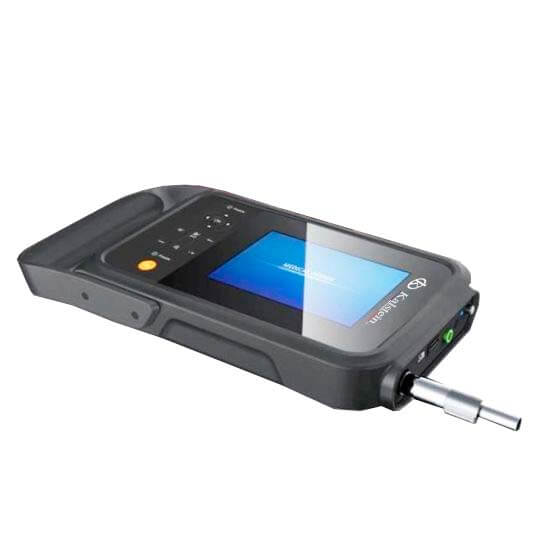
How to Implement Predictive Maintenance and Recommended Calibration for Ultrasonic Diagnostic Equipment
Ultrasonic diagnostic equipment plays a crucial role in various fields, particularly in veterinary medicine and obstetrics. Given the rapid advancements in technology and the necessity for compliance with established standards, implementing predictive maintenance and adhering to recommended calibration protocols are essential practices. This article delves into the significance of predictive maintenance and calibration for ultrasonic diagnostic equipment, providing insights into various models available, their specifications, and practical applications in the field.
Understanding Predictive Maintenance and Calibration
Predictive maintenance involves utilizing data and analytics to determine the condition of equipment and predict when maintenance should be performed. This practice not only enhances the reliability of ultrasonic diagnostic equipment but also reduces costs associated with unexpected failures. On the other hand, calibration ensures that the equipment maintains accuracy and meets regulatory standards, ultimately leading to better diagnostic outcomes.
Importance of Predictive Maintenance
Implementing predictive maintenance for ultrasonic diagnostic equipment such as the YR05146 allows users to identify potential issues before they result in equipment failure. Predictive maintenance techniques can analyze data trends over time, offering insights regarding when to perform maintenance. This leads to improved uptime and operational efficiency.
Calibration Protocols for Ultrasonic Equipment
Calibration of ultrasonic diagnostic devices is critical to comply with standards. For instance, the YR05147 features software that includes built-in calibration routines, assisting users in ensuring that the device delivers accurate results. Regular calibration minimizes discrepancies and maximizes the efficacy of diagnostic procedures.
Comparison of Available Models
| Model | Weight (kg) | Battery Life (hours) | Price (USD) | Best For |
|---|---|---|---|---|
| YR05146 | 0.5 | 3 | 850.00 | General veterinary use |
| YR05147 | N/A | 3 | 1150.00 | Obstetrics/Gynecology |
| YR05154 | N/A | N/A | 850.00 | Basic ultrasound diagnostics |
| YR05154-1 | N/A | N/A | 1150.00 | Advanced diagnostics with tablet integration |
| YR05155 | N/A | N/A | 950.00 | Specialized linear diagnostics |
| YR05155-1 | N/A | N/A | 1190.00 | Mobile ultrasound diagnostics |
Common Mistakes and How to Avoid Them
A prevalent mistake in managing ultrasonic diagnostic equipment is neglecting regular calibration. Operators must establish a routine calibration schedule based on usage frequency and the manufacturer's guidelines. Misunderstandings regarding the predictive maintenance data can also lead to misdiagnosis. Training staff to interpret predictive analytics accurately can greatly reduce these errors.
Predictive Maintenance Strategies for Ultrasonic Diagnostic Equipment
To effectively implement predictive maintenance strategies for models like the YR05155, labs should incorporate real-time monitoring systems. These systems can track operational metrics, thus allowing technicians to analyze performance trends and schedule maintenance before failures occur. This proactive approach helps in maximizing the lifespan of the equipment while ensuring compliance with industry standards.
Recommended Calibration Intervals
Calibration intervals for ultrasonic diagnostic devices vary based on usage and manufacturer recommendations. The YR05146, for instance, should be calibrated every six months under normal operating conditions. A structured calibration schedule not only enhances accuracy but also aligns with regulatory demands, ensuring that laboratories uphold quality standards.
Frequently Asked Questions
What is the significance of predictive maintenance for ultrasonic diagnostic equipment?
Predictive maintenance significantly reduces downtime for ultrasonic diagnostic equipment like the YR05147 by predicting failures before they occur, hence improving overall operational efficiency and reducing costs.
How often should calibration be performed on ultrasound diagnostic devices?
Calibration for devices such as the YR05146 should ideally be performed every six months or based on the manufacturer's recommendations to ensure compliance with standards and accuracy in diagnostics.
What are the benefits of using the YR05147 for obstetrics?
The YR05147 offers advanced 3D imaging capabilities and automated reporting, making it ideal for obstetrics and gynecology. Its predictive maintenance features ensure consistent operational reliability.
How can predictive maintenance enhance the lifespan of ultrasonic equipment?
By utilizing predictive maintenance strategies, laboratories can avoid unexpected failures. For example, tracking wear patterns in the YR05155 helps in timely interventions, thus prolonging the equipment’s operational lifespan.
Which ultrasonic diagnostic model is best for veterinary medicine?
The YR05146 is exceptionally well-suited for veterinary applications due to its lightweight design and high-resolution imaging, coupled with effective predictive maintenance capabilities.
What is the recommended battery life for portable ultrasonic devices?
The YR05147 has an impressive battery life of over three hours, making it suitable for mobile applications where prolonged battery capacity is essential for field diagnostics.
How does regular calibration ensure compliance with industry standards?
Regular calibration of devices such as the YR05154 ensures that results remain accurate and comply with industry standards, crucial for diagnostics in healthcare and veterinary fields.
What is the impact of calibration on diagnostic accuracy for ultrasound equipment?
Calibration directly impacts the diagnostic accuracy of ultrasound equipment like the YR05155. Regular calibration helps in maintaining precision, ultimately leading to better patient outcomes.
If you are looking for a fusion of innovation and quality, you have come to the right place. At Kalstein, we offer you the luxury of exploring our exclusive catalog of laboratory equipment. We manufacture every device to the highest standards of excellence. Our intuitive and seamless online purchasing channels are designed for your convenience, securing the most competitive prices. Hesitate no longer — we bring science to life, it is time to become part of our community.