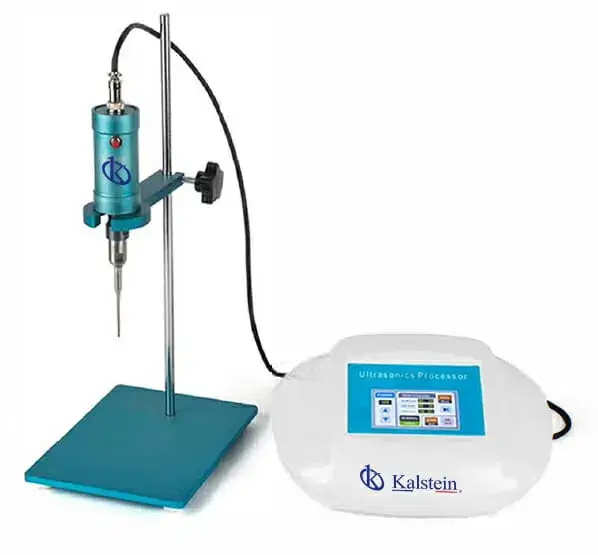
How to Implement Predictive Maintenance and Recommended Calibration for Ultrasonic Homogenizers
Ultrasonic homogenizers are essential laboratory instruments used for various applications including cell disruption, emulsification, and extraction. The performance and reliability of these systems are crucial for ensuring accurate and precise results in laboratory settings. Implementing predictive maintenance and scheduled calibration can significantly enhance the functionality and lifespan of these devices. This article explores effective strategies for predictive maintenance and recommended calibration for ultrasonic homogenizers, helping laboratory professionals optimize their operations.
Understanding Predictive Maintenance in Ultrasonic Homogenizers
Predictive maintenance is a proactive approach that aims to predict equipment failures before they occur, minimizing unplanned downtime and maintenance costs. For ultrasonic homogenizers, this involves monitoring critical components and establishing a maintenance schedule based on equipment usage and performance data. Sensors and software can be employed to collect data on vibration, temperature, and operational hours, enabling technicians to make informed decisions about when maintenance should be performed.
Recommended Calibration Practices for Ultrasonic Homogenizers
Calibration is a critical process that ensures the accuracy and reliability of ultrasonic homogenizers. Regular calibration against known standards helps maintain compliance with laboratory protocols and regulatory requirements. Recommended practices include establishing a calibration schedule based on the manufacturer's guidelines, using traceable standards, and documenting all calibration procedures. It is essential to employ qualified personnel to perform calibrations and to keep records for quality assurance purposes.
Benefits of Predictive Maintenance and Calibration
Implementing predictive maintenance and regular calibration offers several benefits for laboratories utilizing ultrasonic homogenizers. These include:
- Increased Equipment Lifespan: Regular maintenance helps prevent wear and tear, extending the lifespan of homogenizers.
- Improved Performance: Calibrated equipment operates more efficiently, leading to better results in experiments.
- Cost Savings: Predictive maintenance reduces the risk of costly repairs and downtime, leading to overall cost savings.
Comparison of Available Models
| Model | Ultrasonic Power (W) | Frequency (KHz) | Handling Capacity (ml) | Price (USD) |
|---|---|---|---|---|
| YR05829 | 5-150 | 19-25 | 0.1-50 | 659.00 |
| YR05830 | 5-250 | 19-25 | 0.5-100 | 659.00 |
| YR05831 | 5-400 | 19-25 | 0.5-300 | 699.00 |
| YR05832 | 650 | 20-25 | 0.2-500 | 1050.00 |
Common Mistakes and How to Avoid Them
When implementing predictive maintenance and calibration for ultrasonic homogenizers, laboratories can encounter several common mistakes:
- Neglecting Documentation: Failing to document maintenance and calibration activities can lead to compliance issues. Always maintain detailed records.
- Ignoring Manufacturer Guidelines: Not following the manufacturer’s recommendations for calibration intervals can result in inaccurate results. It is important to adhere to these guidelines strictly.
- Inadequate Training: Personnel should be adequately trained in both maintenance and calibration procedures. Regular training sessions can help mitigate this issue.
Frequently Asked Questions
How can I ensure my ultrasonic homogenizer meets predictive maintenance standards?
To ensure your ultrasonic homogenizer meets predictive maintenance standards, implement a regular monitoring system using sensors to track performance metrics. For example, the YR05831 model can be monitored for ultrasonic power output and frequency stability to preemptively identify issues.
What is the recommended calibration frequency for ultrasonic homogenizers?
The recommended calibration frequency for ultrasonic homogenizers varies but is generally advised to be at least once a year. Laboratories using models like YR05830 should consider quarterly checks if frequent usage is expected to maintain accuracy.
How do I document calibration procedures for ultrasonic homogenizers?
Calibration procedures for ultrasonic homogenizers should be documented by detailing the date, personnel involved, calibration results, and any corrective actions taken. Using a calibration log for models such as YR05829 ensures compliance with Good Laboratory Practices.
What are the benefits of using digital monitoring for ultrasonic homogenizers?
Digital monitoring systems provide real-time data on performance, making it easier to schedule maintenance activities for ultrasonic homogenizers like the YR05832. Improved data accuracy also leads to better decision-making and timely adjustments.
How can predictive maintenance reduce costs in laboratory operations?
Predictive maintenance reduces costs by preventing unexpected failures and minimizing equipment downtime. For instance, regularly scheduled maintenance for the YR05831 model can lead to lower repair costs and increased operational efficiency.
What factors influence the calibration interval of ultrasonic homogenizers?
Calibration intervals for ultrasonic homogenizers are influenced by usage frequency, the complexity of applications, and manufacturer recommendations. For an active model like the YR05830, more frequent calibration may be necessary to ensure optimal performance.
How can I improve the performance of my ultrasonic homogenizer?
Improving the performance of your ultrasonic homogenizer can be achieved through regular maintenance and calibration. Ensuring your YR05829 model is serviced at prescribed intervals will enhance its operational efficiency and longevity.
Why is it important to follow manufacturer guidelines for ultrasonic homogenizers?
Following manufacturer guidelines is crucial for ensuring optimal performance and compliance with safety standards. Adhering to these guidelines for models like YR05832 helps maintain accuracy in laboratory results and prolongs equipment lifespan.
If you are looking for a fusion of innovation and quality, you have come to the right place. At Kalstein, we offer you the luxury of exploring our exclusive catalog of laboratory equipment. We manufacture every device to the highest standards of excellence. Our intuitive and seamless online purchasing channels are designed for your convenience, securing the most competitive prices. Hesitate no longer — we bring science to life, it is time to become part of our community.