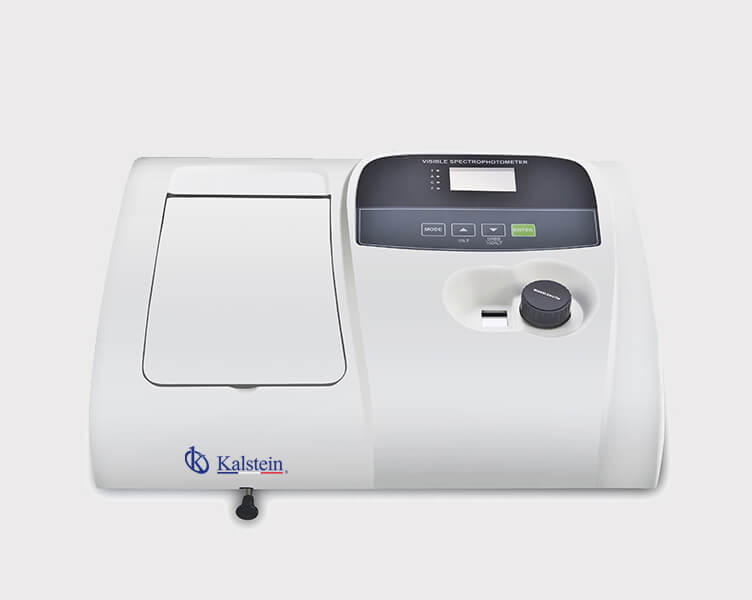
How Predictive Maintenance and Regular Calibration Enhance Unique Beam Spectrophotometers
Unique beam spectrophotometers are crucial instruments in various laboratory settings, facilitating precise measurements of light absorption to analyze samples. However, to maintain their accuracy and reliability, implementing predictive maintenance and regular calibration is essential. This article delves into the importance of these practices in optimizing the performance of unique beam spectrophotometers, ensuring they meet stringent laboratory standards.
Understanding Predictive Maintenance in Spectrophotometry
Predictive maintenance refers to the proactive approach of monitoring equipment to predict failures before they occur. In the context of unique beam spectrophotometers, this involves the use of advanced diagnostic tools and data analytics to assess the condition of the equipment. By analyzing data such as instrument performance, environmental factors, and component wear, laboratories can schedule maintenance activities just in time to prevent unexpected breakdowns.
Benefits of Predictive Maintenance
- Reduced Downtime: By anticipating issues, laboratories can minimize instrument downtime, ensuring continuous operation.
- Cost Savings: Predictive maintenance can reduce maintenance costs by addressing problems before they escalate into major repairs.
- Increased Lifespan: Regular monitoring and timely maintenance can extend the lifespan of spectrophotometers, leading to better ROI.
Calibration: A Key Component of Performance
Calibration is the process of adjusting the instrument to ensure accurate measurements. Unique beam spectrophotometers require periodic calibration to maintain their precision. This typically involves comparing the instrument's measurements against a known standard and adjusting them accordingly. Regular calibration not only ensures accurate results but also aids in compliance with industry standards such as ISO 17025.
Recommended Calibration Intervals
The frequency of calibration largely depends on the usage and the specific requirements of the laboratory. A common recommendation is to calibrate unique beam spectrophotometers at least once every six months, although high-use environments may necessitate monthly calibrations to ensure optimal performance.
Models of Unique Beam Spectrophotometers and Their Calibration Features
When considering unique beam spectrophotometers, it's essential to evaluate their calibration capabilities along with their performance specifications. Below is a comparison of several models available in this category:
Comparison of Available Models
| Model | Wavelength Range | Calibration Features | Best For | Price (USD) |
|---|---|---|---|---|
| YR01844 | 325-1000 nm | Manual adjustment, USB output for data management | General laboratory use | 330.00 |
| YR01845 | 325-1000 nm | Manual adjustment, customizable standard curves | Quality control in pharmaceuticals | 530.00 |
| YR01846 | 320-1100 nm | Automatic wavelength adjustment, USB data output | Environmental testing | 690.00 |
| YR01847 | 320-1100 nm | Automatic wavelength adjustment, customizable parameters | Academic research | 840.00 |
| YR01850 | 190-1000 nm | Auto calibration, USB connectivity | Chemical analysis | 790.00 |
| YR01853 | 190-1100 nm | Auto calibration, comprehensive data output | Advanced research applications | 1630.00 |
Common Mistakes and How to Avoid Them
Laboratory professionals often encounter challenges when implementing predictive maintenance and calibration. Here are some common mistakes and strategies to mitigate them:
- Neglecting Regular Maintenance: Schedule routine checks and calibrations to avoid unexpected failures.
- Inadequate Documentation: Keep detailed records of calibration activities and maintenance performed to ensure compliance and assist in troubleshooting.
- Ignoring Environmental Factors: Monitor and control environmental conditions as they can greatly affect instrument performance.
Frequently Asked Questions
What is the importance of predictive maintenance in unique beam spectrophotometers?
Predictive maintenance is critical in unique beam spectrophotometers as it prevents unexpected failures by monitoring instrument performance and scheduling timely maintenance activities. This approach can significantly reduce downtime and repair costs, ensuring consistent accuracy and reliability of models like YR01844.
How often should I calibrate a unique beam spectrophotometer?
Calibration of unique beam spectrophotometers should occur at least every six months, depending on usage. High-demand environments may require monthly calibrations to maintain optimal performance and accuracy, especially for models such as YR01850.
What are the calibration features of the YR01846 model?
The YR01846 model features automatic wavelength adjustment and USB data output, facilitating easy calibration and data management, making it suitable for various laboratory applications.
Which unique beam spectrophotometer is best for environmental testing?
The YR01846 model is especially suited for environmental testing due to its wide wavelength range and precise automatic calibration features that enhance measurement accuracy.
How do environmental conditions affect spectrophotometer performance?
Environmental conditions such as temperature, humidity, and light exposure can impact the accuracy of unique beam spectrophotometers. Regular checks and maintaining optimal laboratory conditions are essential for models like YR01845.
What are the advantages of USB connectivity in spectrophotometers?
USB connectivity in spectrophotometers, such as the YR01850, allows for easy data transfer, integration with computer systems, and effective management of calibration records, enhancing overall laboratory efficiency.
How can predictive maintenance extend the lifespan of spectrophotometers?
Predictive maintenance prolongs the lifespan of spectrophotometers by addressing potential issues before they escalate into major failures. Regular monitoring and timely interventions can significantly benefit models like YR01847.
What role does calibration play in compliance with ISO 17025?
Calibration is fundamental in meeting ISO 17025 standards as it ensures measurement accuracy and reliability. Unique beam spectrophotometers must be regularly calibrated to align with these standards, particularly models like YR01853.
If you are looking for a fusion of innovation and quality, you have come to the right place. At Kalstein, we offer you the luxury of exploring our exclusive catalog of laboratory equipment. We manufacture every device to the highest standards of excellence. Our intuitive and seamless online purchasing channels are designed for your convenience, securing the most competitive prices. Hesitate no longer — we bring science to life, it is time to become part of our community.