How to Ensure Predictive Maintenance and Regular Calibration in Veterinary Laparoscopy Systems?
Veterinary laparoscopy systems have become indispensable tools in modern veterinary surgery, enabling minimally invasive procedures that enhance patient recovery times. However, to maximize their effectiveness, it is crucial to implement predictive maintenance and adhere to regular calibration schedules. This article dives into the importance of these practices and how they can be executed effectively within veterinary settings.
Framing Veterinary Laparoscopy Systems through Predictive Maintenance and Calibration
Predictive maintenance in veterinary laparoscopy systems refers to proactive strategies aimed at ensuring equipment reliability and functionality. Regular calibration is equally essential, as it guarantees that these surgical devices operate within the specifications defined by manufacturers and relevant standards. Both practices are vital for improving surgical outcomes, enhancing patient safety, and minimizing operational downtime.
Understanding Predictive Maintenance in Veterinary Laparoscopy
Predictive maintenance utilizes data analysis tools and techniques to detect anomalies in equipment performance and potential failures. This approach is particularly relevant for complex systems like those in veterinary laparoscopy, where equipment failure can lead to extended surgical times or complications. Implementing a predictive maintenance strategy involves several steps, such as monitoring equipment usage, analyzing performance data, and scheduling maintenance based on predictive analytics rather than just routine checks.
Key Components of Predictive Maintenance
The key components of a predictive maintenance program for veterinary laparoscopy systems include:
- Data Collection: Regularly collect data on equipment performance, including pressure levels, flow rates, and operational cycles.
- Performance Analysis: Utilize statistical models and software to analyze collected data for trends and anomalies.
- Maintenance Scheduling: Schedule maintenance tasks based on analysis rather than on fixed intervals, improving efficiency and reducing costs.
Calibration: A Critical Process for Veterinary Laparoscopy Systems
Calibration is the process of adjusting the precision of equipment to meet the operational standards set by manufacturers or industry regulations. In veterinary laparoscopy systems, it is essential to ensure that all parameters are accurately set for safe and effective use. This section discusses the importance of regular calibration schedules and how they can be effectively implemented.
The Importance of Regular Calibration
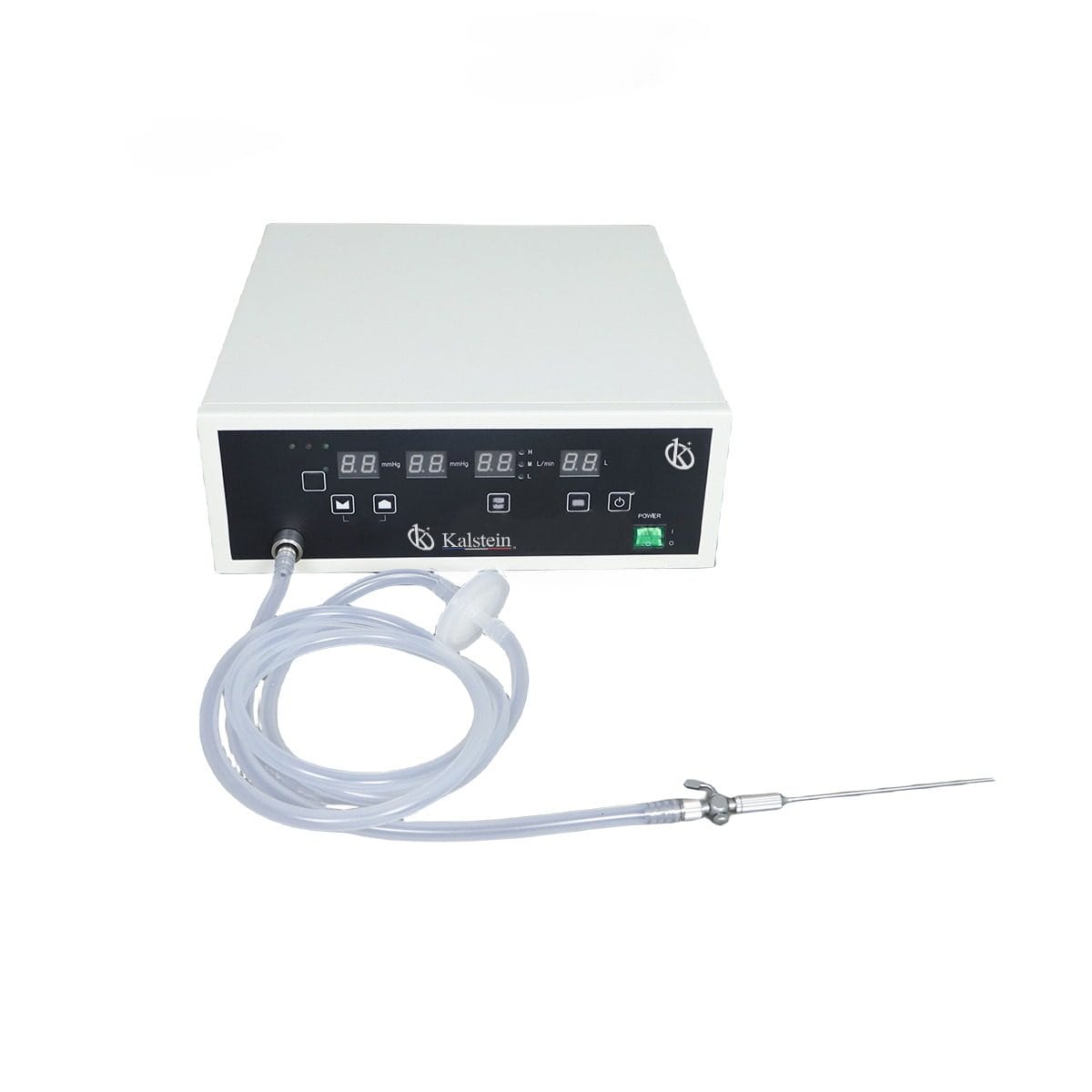
Regular calibration is crucial for maintaining the accuracy and reliability of laparoscopy systems. This process helps to ensure that all measurements taken during surgical procedures are precise, thus minimizing the risk of complications. For example, the Veterinary CO2 Insufflator YR06157 operates within a pressure range of 0.67 kPa to 3.30 kPa, and regular calibration ensures these parameters remain accurate.
Comparison of Available Models
| Model | Flow Rate (L/min) | Price (USD) | Best for |
|---|---|---|---|
| YR06157 | 4L/6L/10L | 1900.00 | Small animals like dogs and cats |
| YR06156 | N/A | 7700.00 | High-definition imaging for diverse applications |
| YR06158 | 2L-40L/min | 3000.00 | Large CO2 supply for extensive surgeries |
Common Mistakes and How to Avoid Them
In the implementation of predictive maintenance and calibration for veterinary laparoscopy systems, common mistakes can lead to equipment failures and compromised surgical outcomes. Here are some errors to avoid:
- Neglecting Data Analysis: Failing to analyze performance data can result in unanticipated failures. Regular reviews of data trends are essential.
- Infrequent Calibration: Skipping calibration can lead to inaccurate measurements. Establish a rigorous scheduling process to ensure compliance.
- Ignoring Manufacturer Recommendations: Manufacturers provide detailed guidelines on maintenance and calibration. Adhering to these recommendations is critical for operational safety.
Frequently Asked Questions
How do I establish a predictive maintenance schedule for veterinary laparoscopy systems?
To establish a predictive maintenance schedule for veterinary laparoscopy systems, start by collecting operational data and analyzing it for potential failure indicators. Employ monitoring tools that alert you when performance deviates from the norm. This proactive approach can help optimize the use of models like the Veterinary CO2 Insufflator YR06158 for high-demand procedures.
What are the calibration requirements for veterinary laparoscopy systems?
Calibration requirements for veterinary laparoscopy systems typically involve regularly verifying that equipment operates within specified parameters. For instance, the Veterinary CO2 Insufflator YR06157 should be calibrated to ensure accurate pressure levels between 0.67 kPa and 3.30 kPa. Adhering to these requirements enhances surgical safety and efficacy.
How often should I calibrate my veterinary laparoscopy equipment?
Calibrating veterinary laparoscopy equipment should be performed at least annually or after any significant repairs. For models like the Mobile High-Definition Endoscopic Imaging System YR06156, calibration ensures that imaging remains clear and accurate, which is critical during surgical procedures.
What benefits does predictive maintenance provide for veterinary surgical equipment?
Predictive maintenance for veterinary surgical equipment minimizes operational downtime, reduces unexpected failures, and extends equipment lifespan. By utilizing monitoring techniques on models like the Veterinary CO2 Insufflator YR06158, veterinary clinics can enhance their operational efficiency significantly.
Which laparoscopy models are best suited for small animal procedures?
The Veterinary CO2 Insufflator YR06157 is particularly suited for small animal procedures due to its adjustable flow rates of 4L, 6L, or 10L. This flexibility ensures optimal performance during laparoscopic surgeries on small animals like cats and dogs.
How can I ensure compliance with calibration standards in my veterinary practice?
Ensuring compliance with calibration standards involves establishing documented procedures for regular maintenance and calibration of all veterinary laparoscopy systems. Utilizing models like the Veterinary CO2 Insufflator YR06157 with clear calibration specifications can facilitate adherence to these standards.
What are the cost implications of regular calibration for veterinary laparoscopy systems?
Regular calibration incurs costs related to labor and equipment checks, but these costs are outweighed by the benefits of preventing equipment failures. For instance, the Veterinary CO2 Insufflator YR06157’s maintenance can significantly reduce long-term operational costs by ensuring efficiency.
How does predictive maintenance impact the lifespan of veterinary laparoscopic equipment?
Predictive maintenance positively impacts the lifespan of veterinary laparoscopic equipment by identifying potential issues before they lead to breakdowns. By consistently monitoring the performance of equipment like the Veterinary CO2 Insufflator YR06158, veterinary practices can enhance their equipment longevity and reliability.
If you are looking for a fusion of innovation and quality, you have come to the right place. At Kalstein, we offer you the luxury of exploring our exclusive catalog of laboratory equipment. We manufacture every device to the highest standards of excellence. Our intuitive and seamless online purchasing channels are designed for your convenience, securing the most competitive prices. Hesitate no longer — we bring science to life, it is time to become part of our community.