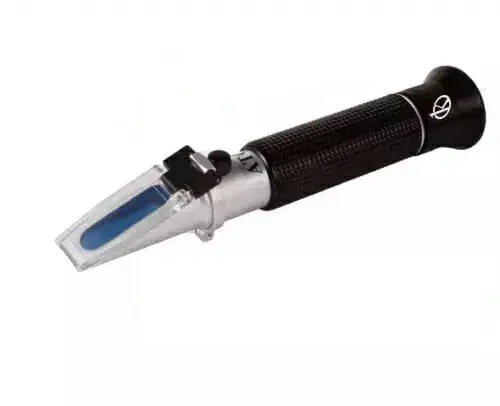
What to Know About Predictive Maintenance and Recommended Calibration for Wine Refractometers
In the world of laboratory testing, particularly in wine production, having accurate measurement tools is crucial. Wine refractometers, devices used to measure the sugar content and alcohol levels of wine, require regular maintenance and calibration to ensure they provide reliable results. This article will delve into the importance of predictive maintenance and periodic calibration, providing detailed insights to help laboratory professionals maintain optimal performance in their wine refractometers.
Understanding Predictive Maintenance for Wine Refractometers
Predictive maintenance is a proactive approach that uses data analysis to predict when equipment will fail, allowing for timely repairs before a breakdown occurs. This approach is especially vital for wine refractometers, which are sensitive instruments. By tracking and analyzing performance data, lab technicians can identify trends that indicate potential issues.
Implementing predictive maintenance can enhance the longevity and performance of refractometers. For instance, the Wine Refractometer YR05932 features automatic temperature compensation (ATC), which adjusts readings based on temperature fluctuations. Regular checks on its calibration can prevent inaccuracies that arise from environmental changes.
Importance of Periodic Calibration
Calibration is the process of adjusting the accuracy of a measuring instrument. For wine refractometers, periodic calibration is vital to ensure that the measurements of sugar content and alcohol levels are precise. Calibration should occur at regular intervals, based on manufacturer recommendations or laboratory standards.
The Wine Refractometer YR05931, for example, is designed for measuring alcohol levels between 0-80% v/v. Ensuring this refractometer is calibrated correctly is essential for maintaining the quality of wine testing, as even slight inaccuracies can lead to significant quality control issues.
Common Calibration Intervals for Wine Refractometers
Calibration intervals can vary based on several factors, including usage frequency, environmental conditions, and the specific model of the refractometer. However, a general guideline is to calibrate the device before each use or at least once a week for high-usage laboratories. Following a calibration schedule helps maintain compliance with industry standards.
For instance, the Wine Refractometer YR05934 is equipped for various measurements, including 0-25% v/v of alcohol and 0-40% Brix. This model should be calibrated before critical measurement tasks to ensure accuracy.
Calibration Procedure for Wine Refractometers
To ensure accurate measurements, follow these steps for calibrating your wine refractometer:
- Prepare a calibration solution that matches the range of measurements.
- Place a few drops of the solution on the prism and close the cover.
- Wait for the reading to stabilize and note the measurement.
- Adjust the calibration screw until the display reads the known value of the solution.
- Repeat the process to confirm accuracy.
This process is crucial for maintaining results within acceptable limits, especially with models like the Wine Refractometer YR05933, which measures from 0-170 °Oe.
Comparison of Available Models
| Model | Measurement Range | Min. Division | Accuracy | ATC | Best For |
|---|---|---|---|---|---|
| YR05931 | 0-80% v/v | 1% v/v | ±1% v/v | No | Alcohol content measurement |
| YR05932 | 0-25% Vol, 0-40% Brix | 0.2% Vol, 0.2% Brix | ±0.2% Vol, ±0.2% Brix | Yes | Versatile wine testing |
| YR05933 | 0-25% Vol, 0-170 °Oe | 0.2% Vol, 1° Oe | ±0.2% Vol, ±1° Oe | Yes | High precision analysis |
| YR05934 | 0-20° Baume, 0-25% Vol | 0.2° Baume, 0.2% Vol | ±0.2° Baume, ±0.2% Vol | Yes | Sweetness measurement in wines |
| YR05935 | 0-25% Vol, 0-40% Brix | 0.2% Vol, 0.2% Brix | ±0.2% Vol, ±0.2% Brix | Yes | Comprehensive wine quality analysis |
| YR05936 | 0-80% v/v | 1% v/v | ±1% v/v | No | Standard alcohol level testing |
Common Mistakes and How to Avoid Them
In the process of using wine refractometers, several common mistakes can occur that might lead to inaccurate measurements:
- Neglecting Calibration: Failing to regularly calibrate can result in significant deviations in results. Schedule regular calibrations based on usage.
- Environmental Factors: Allowing the refractometer to be used in extreme temperatures may impact accuracy. Keep the device in controlled environments.
- Improper Cleaning: Residues can interfere with readings. Ensure proper cleaning protocols are followed after each use to maintain instrument integrity.
By addressing these issues, laboratory professionals can ensure the ongoing accuracy and reliability of their wine refractometers.
Frequently Asked Questions
How often should I calibrate a wine refractometer for accurate results?
Calibration of a wine refractometer, such as the YR05932, should occur at least once a week or before each use to ensure precise measurements of sugar content and alcohol levels.
What is the impact of temperature on wine refractometer accuracy?
Temperature can significantly affect readings in wine refractometers. Models with ATC, like the YR05932, help correct for these discrepancies, ensuring accurate measurements across various conditions.
Are there specific calibration solutions recommended for wine refractometers?
Yes, calibration solutions that mimic the expected measurement range of your refractometer, such as Brix solutions for the YR05934, are recommended to ensure accuracy during the calibration process.
What maintenance is required for wine refractometers?
Regular maintenance of wine refractometers includes cleaning the prism and ensuring it is stored properly to avoid damage, along with routine calibration checks to maintain accuracy.
How do I choose the right wine refractometer for my lab?
Selecting a wine refractometer should depend on your specific needs. For versatility, the YR05932 is ideal as it measures both alcohol content and Brix, supporting comprehensive wine analysis.
What are the common errors in using wine refractometers?
Common errors include improper calibration, neglecting to clean the prism, and using the instrument in unsuitable temperature conditions, all of which can compromise measurement accuracy.
How can predictive maintenance improve the lifespan of wine refractometers?
Predictive maintenance allows for timely repairs and adjustments based on performance data, thereby extending the lifespan of wine refractometers such as the YR05933 by preventing unexpected failures.
What features should I look for in a wine refractometer for laboratory use?
When selecting a wine refractometer, look for features like automatic temperature compensation, a wide measurement range, and ease of calibration, as seen in models like the YR05932 and YR05934.
If you are seeking to enhance your laboratory's efficiency with high-quality wine refractometers, consider requesting a quote on Kalstein Plus today!
If you are looking for a fusion of innovation and quality, you have come to the right place. At Kalstein, we offer you the luxury of exploring our exclusive catalog of laboratory equipment. We manufacture every device to the highest standards of excellence. Our intuitive and seamless online purchasing channels are designed for your convenience, securing the most competitive prices. Hesitate no longer — we bring science to life, it is time to become part of our community.