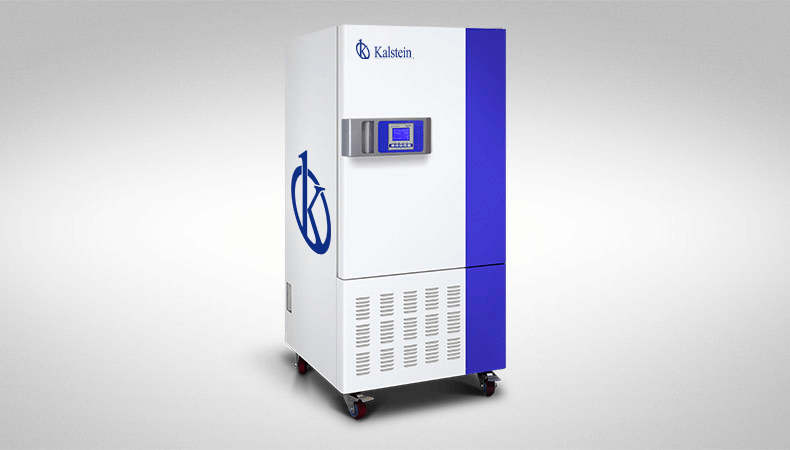
Predictive Maintenance and Recommended Calibration for Drug Stability Test Chambers 2026
As the pharmaceutical and biotechnological industries evolve, ensuring the stability of drug formulations is paramount. Drug stability test chambers play a crucial role in simulating conditions that drugs will face during their shelf life. This article delves into the significance of predictive maintenance and regular calibration of these chambers, highlighting best practices for laboratory professionals.
Understanding the Role of Predictive Maintenance
Predictive maintenance is a proactive approach that anticipates equipment failures before they occur. In the context of drug stability test chambers, it involves monitoring operational conditions and performance metrics to identify deviations from established norms. By integrating predictive maintenance strategies, laboratories can enhance reliability, minimize downtime, and ensure compliance with regulatory standards.
Calibration: Why It Matters
Calibration is vital for maintaining the accuracy and reliability of drug stability test chambers. Regular calibration ensures that temperature and humidity levels are correctly maintained, which is essential for obtaining valid test results. Inaccurate readings can lead to misinterpretation of data, potentially compromising drug formulation integrity.
Recommended Calibration Intervals
Calibration intervals can depend on the usage intensity of the drug stability test chambers. Generally, it is recommended to calibrate these chambers at least twice a year. However, high-usage laboratories may benefit from quarterly calibrations. Establishing a calibration schedule is a critical aspect of predictive maintenance.
Key Performance Indicators for Predictive Maintenance
To implement an effective predictive maintenance strategy, laboratories should establish key performance indicators (KPIs) such as Mean Time Between Failures (MTBF) and Mean Time To Repair (MTTR). These metrics provide insights into equipment reliability and help inform calibration schedules.
Comparison of Available Models
| Model | Price (USD) | Best For | Key Specifications |
|---|---|---|---|
| YR05350 | 2500.00 | Pharmaceutical Testing | Temperature Range: 0~60°C, Humidity Range: 50~90% HR |
| YR05351 | 2940.00 | Biomedical Research | Temperature Accuracy: 0.1°C, Humidity Fluctuation: ±3% HR |
| YR05352 | 3900.00 | Biotechnology Applications | Temperature Fluctuation: ±0.5°C, PID Control System |
Common Mistakes and How to Avoid Them
Laboratories often overlook the necessity of regular calibration, leading to inaccurate results. Other common mistakes include neglecting to document calibration activities and failing to train personnel on equipment operation. By adopting a systematic approach and utilizing checklists, these pitfalls can be effectively avoided.
Frequently Asked Questions
What is the recommended calibration frequency for a drug stability test chamber in 2026?
In 2026, it is generally recommended to calibrate drug stability test chambers, such as the YR05350 and YR05351, at least twice a year, or quarterly for high-use laboratories to ensure accuracy in temperature and humidity readings.
How does predictive maintenance improve the performance of drug stability test chambers?
Predictive maintenance enhances the performance of drug stability test chambers by anticipating equipment failures and schedule preventive measures. This proactive maintenance approach keeps models like YR05352 operating reliably, ensuring compliance with industry standards.
Which drug stability test chamber model is best for high humidity testing in 2026?
The YR05352 model is particularly suited for high humidity testing. It maintains a humidity range of 50-90% HR with precision, making it ideal for simulations in line with 2026 industry compliance standards.
What role does calibration play in drug stability testing?
Calibration ensures that drug stability test chambers, such as the YR05350, provide accurate temperature and humidity readings. Regular calibration is essential for producing valid test results and maintaining product integrity.
Why is predictive maintenance important for laboratory equipment?
Predictive maintenance is crucial for laboratory equipment, including drug stability test chambers, as it helps prevent unexpected failures, reducing downtime and ensuring compliance with regulatory requirements.
How can I track calibration and maintenance for my drug stability test chambers?
Laboratories can track calibration and maintenance activities by implementing a digital maintenance management system. This allows for easy documentation and scheduling for models like YR05351 and YR05352.
What are the benefits of using a PID control system in drug stability test chambers?
A PID control system, like the one in YR05352, provides precise control over temperature and humidity, ensuring that the conditions remain stable for accurate drug stability testing, thus enhancing testing reliability.
How does humidity fluctuation impact drug stability testing results?
Humidity fluctuations can significantly impact drug stability test results, leading to erroneous conclusions about a product's viability. Consistent control, as provided by models like YR05350, is essential to mitigate this risk.
If you are looking for a fusion of innovation and quality, you have come to the right place. At Kalstein, we offer you the luxury of exploring our exclusive catalog of laboratory equipment. We manufacture every device to the highest standards of excellence. Our intuitive and seamless online purchasing channels are designed for your convenience, securing the most competitive prices. Hesitate no longer — we bring science to life, it is time to become part of our community.