How to Ensure Predictive Maintenance and Periodic Calibration for Fume Hood Cabinets?
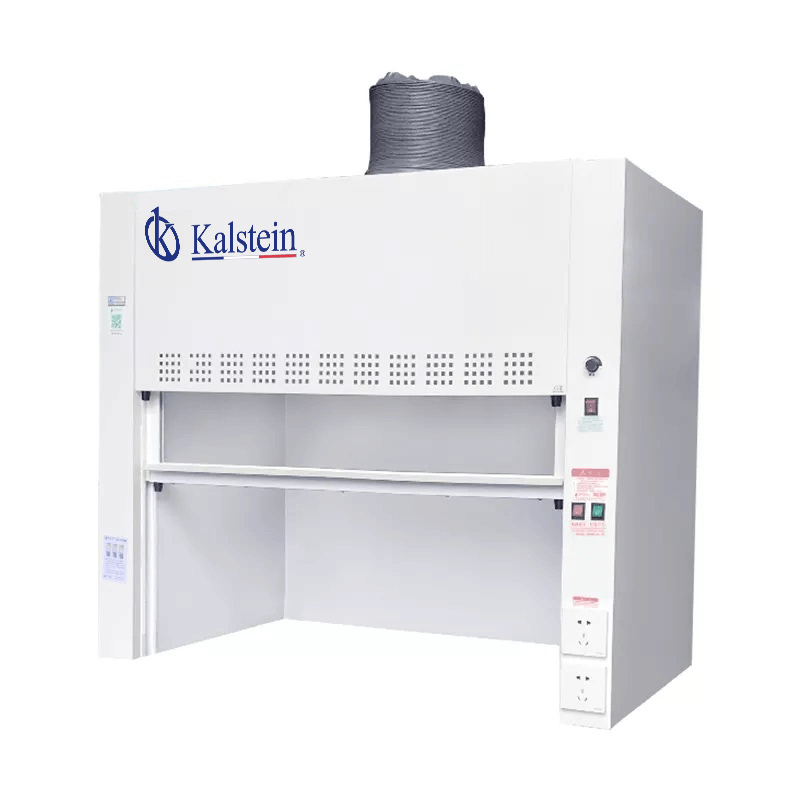
Fume hood cabinets are essential components in any laboratory setting, providing a safe environment for handling hazardous materials. To maintain their effectiveness and ensure compliance with safety regulations, it is critical to implement predictive maintenance and periodic calibration strategies. This article delves into how these practices can enhance the performance and safety of fume hood cabinets.
Understanding Predictive Maintenance in Fume Hood Cabinets
Predictive maintenance refers to proactive measures taken to predict when equipment failures might occur, allowing for maintenance to be performed just in time to prevent unexpected breakdowns. For fume hood cabinets, this involves monitoring various parameters such as airflow rates, filter conditions, and structural integrity. With predictive maintenance, laboratories can avoid costly downtimes and ensure continuous safety.
Key Benefits of Predictive Maintenance
Implementing predictive maintenance for fume hood cabinets offers numerous benefits, including:
- Reduction in unplanned equipment failures
- Increased lifespan of the equipment
- Enhanced safety for laboratory personnel
- Improved compliance with safety standards
Periodic Calibration: Ensuring Accuracy and Compliance
Periodic calibration ensures that fume hoods operate within the specified airflow rate and other performance metrics. This process involves adjusting and fine-tuning the equipment to meet regulatory standards. Regular calibration is essential for maintaining not only operational efficiency but also compliance with ISO standards and other regulatory requirements.
Calibration Standards Relevant to Fume Hoods
Calibration must adhere to specific standards such as ISO 17025 to ensure that testing and calibration laboratories are competent to carry out their tasks. For example, the models discussed in this article, including YR05808 and YR05809, provide essential specifications and features that help meet these standards.
Comparison of Available Models
| Model Code | External Dimensions | Airflow Rate (m/s) | Maximum Window Opening (mm) | Price (USD) |
|---|---|---|---|---|
| YR05808 | 650 x 650 x 1000 | 0.4-0.6 | 750 | 390.00 |
| YR05809 | 800 x 650 x 1000 | 0.4-0.6 | 750 | 420.00 |
| YR05810 | 1000 x 650 x 1000 | 0.4-0.6 | 750 | 470.00 |
| YR05811 | 1000 x 650 x 1000 | 0.4-0.6 | 750 | 508.00 |
| YR05812 | 1500 x 650 x 1000 | 0.4-0.6 | 750 | 526.00 |
Common Mistakes and How to Avoid Them
When it comes to maintaining fume hood cabinets, several common mistakes can lead to inefficiencies and potential hazards:
- Neglecting Regular Maintenance: Failing to conduct routine checks can lead to safety hazards.
- Inaccurate Calibration: Inconsistent calibration can result in improper airflow and laboratory safety risks.
- Ignoring Manufacturer Guidelines: Always refer to the manufacturer’s instructions for specific maintenance procedures.
Frequently Asked Questions
How often should fume hood cabinets be calibrated to meet ISO standards?
Fume hood cabinets should ideally be calibrated at least once a year to comply with ISO 17025 standards. Models like YR05810 provide the necessary features to facilitate these calibrations effectively.
What are the key indicators of a failing fume hood cabinet?
Key indicators include fluctuating airflow rates, unusual noises, and visual signs of wear. Regular predictive maintenance can help identify these issues early, especially in models like YR05811.
Which maintenance practices enhance the lifespan of fume hood cabinets?
Regular cleaning, timely replacement of filters, and adherence to calibration schedules significantly enhance the lifespan of fume hood cabinets like YR05812.
How can predictive maintenance save costs in the long run?
Predictive maintenance can save costs by preventing unexpected failures, thereby reducing downtime and repair costs. This is particularly relevant for high-use models such as YR05809.
What regulatory compliance standards should be followed for fume hood cabinets?
Fume hood cabinets should comply with several standards, including ISO 17025 and ANSI/ASHRAE 110. Using models like YR05808 can facilitate compliance through their built-in specifications.
What role does airflow play in the effectiveness of fume hoods?
Airflow is crucial for ensuring the safe removal of hazardous substances. Maintaining the specified airflow rate, such as 0.4-0.6 m/s in models like YR05810, is essential for safety.
How to prepare a calibration schedule for fume hood cabinets?
A calibration schedule should include regular intervals (preferably annually), detailing tasks for airflow measurement and filter replacement. This is applicable for all models including YR05811.
What is the importance of maintaining records for fume hood maintenance?
Maintaining records is critical for compliance audits and ensuring that all maintenance tasks are completed as required by regulations like ISO 17025, which affects models like YR05812.
For further information on fume hood cabinets and to explore our offerings, request a quote today!
If you are looking for a fusion of innovation and quality, you have come to the right place. At Kalstein, we offer you the luxury of exploring our exclusive catalog of laboratory equipment. We manufacture every device to the highest standards of excellence. Our intuitive and seamless online purchasing channels are designed for your convenience, securing the most competitive prices. Hesitate no longer — we bring science to life, it is time to become part of our community.