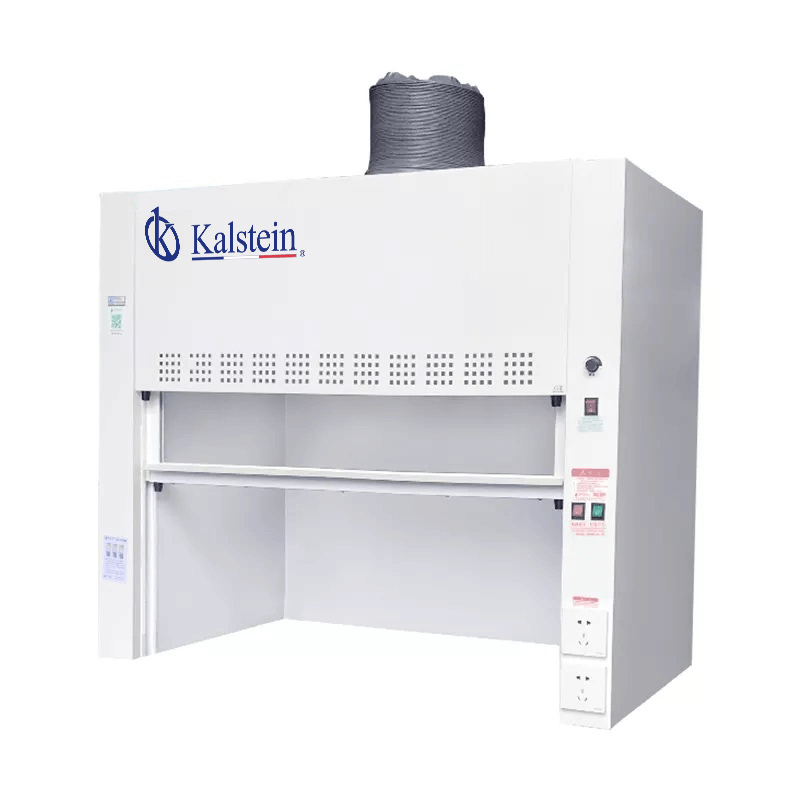
Ensuring Regulatory Compliance in Laboratory Fume Hood Cabinets
In the realm of laboratory safety and functionality, fume hood cabinets serve a vital role in mitigating the risks associated with hazardous substances. Compliance with ISO/IEC regulations not only ensures a safe working environment but also enhances operational efficiency and reliability. This article delves into the requirements set forth by various standards, including how different models of fume hood cabinets align with these norms.
Understanding ISO/IEC Standards for Laboratory Safety
ISO (International Organization for Standardization) and IEC (International Electrotechnical Commission) establish critical guidelines that laboratories must adhere to for safety and quality assurance. Key standards relevant to fume hood cabinets include ISO 17025, which outlines requirements for testing and calibration laboratories, and IEC 61010, which specifies safety requirements for electrical equipment utilized in measurement, control, and laboratory environments. Compliance with these standards is essential for laboratories aiming to operate effectively while ensuring the highest safety levels.
ISO 17025: Criteria for Laboratory Competence
ISO 17025 stipulates that laboratories must demonstrate the technical competence of their staff and the validity and reliability of their test results. Regarding fume hood cabinets, this translates to ensuring that the equipment is capable of providing adequate ventilation and containment for hazardous materials. Each model must undergo rigorous testing to ensure it meets the necessary airflow and performance criteria. For instance, the YR05808 model features an integrated axial fan and adjustable airflow to maintain optimal ventilation, thereby supporting compliance with ISO 17025.
IEC 61010: Safety Standards for Laboratory Equipment
IEC 61010 sets forth requirements to ensure that laboratory equipment, including fume hoods, operates safely under standard conditions. Components such as the structural integrity of the hood, the materials used (e.g., epoxy-coated steel), and necessary electrical safety measures fall under this standard. The YR05809 model, with its sturdy construction and built-in safety features, exemplifies adherence to IEC 61010, ensuring a safe user experience in various laboratory settings.
Comparison of Available Models
| Model | ISO/IEC Clauses Covered | Traceability Features | Best For |
|---|---|---|---|
| YR05808 | ISO 17025, IEC 61010 | Integrated airflow monitoring | Basic chemical laboratories |
| YR05809 | ISO 17025, IEC 61010 | Adjustable airflow settings | Medium-sized labs |
| YR05810 | ISO 17025, IEC 61010 | Built-in airflow alarms | Research facilities |
| YR05811 | ISO 17025, IEC 61010 | Monitoring system for airflow | High-throughput labs |
| YR05812 | ISO 17025, IEC 61010 | Data logging capabilities | Advanced research labs |
| YR05813 | ISO 17025, IEC 61010 | Real-time monitoring systems | Specialized chemical labs |
Common Mistakes and How to Avoid Them
Laboratory professionals often overlook critical aspects of compliance when selecting fume hood cabinets. One common mistake is failing to assess the airflow requirements needed for specific chemicals, which can lead to inadequate ventilation and safety hazards. It's essential to ensure that the chosen model, such as the YR05810, meets the specific VOC (Volatile Organic Compound) handling requirements of the laboratory. Regular audits and training can help mitigate these risks and maintain compliance with ISO/IEC regulations.
Best Practices for Maintaining Compliance
To ensure ongoing compliance with ISO/IEC standards, labs should implement a systematic maintenance schedule for their fume hood cabinets. This includes regular inspections and performance testing of airflow rates, ensuring that filters are changed according to manufacturer recommendations, and that all safety features are operational. For example, integrating a regular check on the YR05811’s built-in alarms can enhance safety protocols significantly.
Energy Efficiency and Environmental Considerations
Modern fume hood cabinets must also consider energy efficiency in their design. Compliance with environmental regulations, such as reduced energy consumption, can be achieved through advanced designs that optimize airflow while minimizing energy use. Models like the YR05812 are designed with energy-saving features, which not only comply with standards but also contribute to the lab's sustainability goals.
Frequently Asked Questions
How do fume hood cabinets ensure compliance with ISO 17025 standards?
Fume hood cabinets like the YR05809 are designed to meet ISO 17025 standards by ensuring reliable test results through adequate ventilation. These models have adjustable airflow settings which help maintain the necessary conditions for accurate testing.
What features should I look for in fume hood cabinets for IEC 61010 compliance?
When selecting fume hood cabinets, look for features like built-in safety alarms and robust construction materials. The YR05810 model, for instance, includes a monitoring system for airflow, ensuring it meets IEC 61010 safety requirements.
Which fume hood cabinet is best for handling hazardous chemicals in my lab?
The YR05812 is excellent for handling hazardous chemicals due to its real-time monitoring features and advanced safety systems. This model ensures compliance with ISO 17025, making it a reliable choice for chemical laboratories.
What are the energy-saving features of modern fume hood cabinets?
Modern fume hood cabinets, such as the YR05811, often include energy-efficient designs that optimize airflow and reduce overall energy consumption. These features help labs achieve sustainability goals while maintaining compliance with safety standards.
How can I ensure that my laboratory complies with ISO 17025?
To ensure compliance with ISO 17025, perform regular checks and maintenance on your laboratory equipment, including fume hood cabinets. Models like the YR05813 offer built-in monitoring systems that help maintain the necessary standards.
What common mistakes lead to non-compliance in laboratory fume hoods?
Common mistakes include insufficient airflow assessments and neglecting regular maintenance. Laboratories should evaluate their fume hood models, like the YR05808, to ensure they meet all necessary compliance criteria effectively.
For those seeking to enhance safety and compliance in their laboratories, we invite you to request a quote on Kalstein Plus. Explore our extensive range of laboratory fume hood cabinets tailored to meet your regulatory requirements.
If you are looking for a fusion of innovation and quality, you have come to the right place. At Kalstein, we offer you the luxury of exploring our exclusive catalog of laboratory equipment. We manufacture every device to the highest standards of excellence. Our intuitive and seamless online purchasing channels are designed for your convenience, securing the most competitive prices. Hesitate no longer — we bring science to life, it is time to become part of our community.