Regulatory Compliance in Veterinary Chemistry Analyzers: Navigating ISO/IEC Standards
The landscape of veterinary diagnostics is constantly evolving, particularly in the realm of regulatory compliance. Understanding and adhering to ISO/IEC standards is crucial for veterinary laboratories that aim to deliver accurate and reliable results. This article explores the regulatory frameworks that govern veterinary chemistry analyzers, focusing on compliance with ISO/IEC norms.
Understanding ISO/IEC Standards in Veterinary Chemistry Analyzers
ISO/IEC standards provide a framework for quality assurance, ensuring that laboratory practices meet international benchmarks. For veterinary chemistry analyzers, compliance with standards such as ISO 17025 and ISO 15189 is vital.
ISO 17025 focuses on the general requirements for the competence of testing and calibration laboratories, ensuring that testing processes are reliable. This standard emphasizes the need for proper documentation, staff qualifications, and equipment maintenance, all of which are applicable to the operation of veterinary chemistry analyzers.
ISO 15189 is specifically tailored for medical laboratories and emphasizes quality and competence in laboratory medicine, including veterinary diagnostics. Adherence to these standards enhances the credibility and effectiveness of veterinary laboratories.
Comparison of Available Models
| Model | ISO/IEC Clauses Covered | Traceability Features | Best For |
|---|---|---|---|
| YR06168 | ISO 17025 | Open reagent system | High-volume laboratories |
| YR06169 | ISO 15189 | Integrated calibration data | Field diagnostics |
| YR06172 | ISO 17025 | Wireless data transmission | Mobile diagnostics |
| YR06174 | ISO 15189 | Built-in quality control | Emergency care settings |
| YR06077 | ISO 17025 | USB data export | Research-focused labs |
ISO/IEC 17025 Compliance: Key Requirements for Veterinary Analyzers
ISO/IEC 17025 compliance ensures that veterinary chemistry analyzers are capable of producing valid and reliable test results. Critical components of this standard include:
- Management Requirements: Establishing a quality management system that includes documentation and process control.
- Technical Requirements: Ensuring the competency of personnel, suitable equipment, and the validity of test methods.
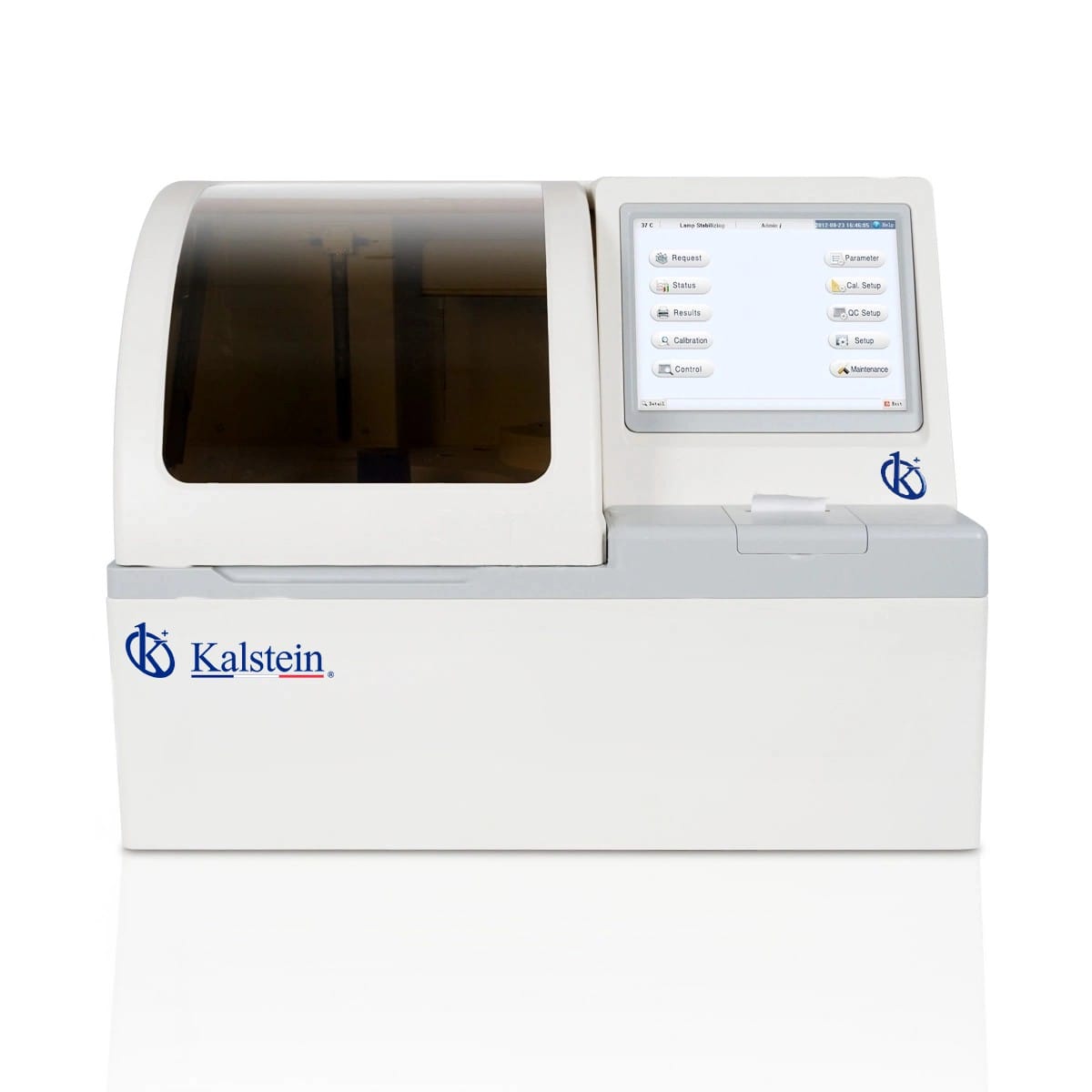
The Automatic Veterinary Chemistry Analyzer YR06168 is particularly well-suited for ISO/IEC 17025 compliance, offering features like an open reagent system and high throughput of up to 100 tests per hour.
ISO 15189: Ensuring Quality in Veterinary Diagnostics
ISO 15189 focuses on the medical laboratory's quality management and competence, with provisions that are particularly relevant for veterinary diagnostics:
- Quality Control: Regular calibration and validation of equipment are essential.
- Competence of Personnel: Staff must be adequately trained and competent to perform tests.
The Portable Veterinary Chemistry Analyzer YR06169 effectively meets these standards, featuring integrated calibration data and a user-friendly interface, making it ideal for field diagnostics.
Documentation and Record Keeping for Compliance
Proper documentation is a cornerstone of compliance with ISO/IEC standards. Laboratories must maintain detailed records of testing processes, calibration, and maintenance logs. This is where models like the Quantitative Veterinary Immunofluorescence Analyzer YR06172 excel, as it offers wireless data transmission and extensive storage for test results. Accurate documentation facilitates traceability and accountability in testing, thus ensuring regulatory compliance.
Traceability and its Importance in Veterinary Chemistry Analyzers
Traceability refers to the ability to verify the history, location, and application of an item or activity through documented records. In the context of veterinary chemistry analyzers, traceability is vital for ensuring the integrity of test results. Models such as the Blood Gas and Electrolyte Analyzer YR06174 integrate built-in quality control measures, ensuring that results are traceable and dependable.
Common Mistakes and How to Avoid Them
In navigating the complexities of ISO/IEC compliance, laboratories often encounter common pitfalls:
- Insufficient Training: Ensure all staff receive adequate training on ISO/IEC standards and specific operational protocols for their assigned analyzers.
- Lack of Document Control: Implement a robust document control system to manage and archive records efficiently.
Understanding these challenges can aid laboratories in preventing compliance failures and enhancing operational efficiency.
Frequently Asked Questions
What are the key ISO/IEC standards for veterinary chemistry analyzers?
The main ISO/IEC standards for veterinary chemistry analyzers include ISO 17025 and ISO 15189. The Automatic Veterinary Chemistry Analyzer YR06168 meets ISO 17025 requirements, ensuring reliable testing processes.
How does ISO/IEC compliance benefit veterinary laboratories?
ISO/IEC compliance enhances the credibility of veterinary laboratories by ensuring accurate and reliable test results. Compliance can also lead to improved operational efficiency, particularly for analyzers like the Portable Veterinary Chemistry Analyzer YR06169.
Which veterinary chemistry analyzer is best for mobile diagnostics?
The Portable Veterinary Chemistry Analyzer YR06169 is ideal for mobile diagnostics due to its compact design and rapid result delivery in approximately 10 minutes, aligning with ISO 15189 standards.
How can veterinary laboratories maintain ISO 17025 compliance?
Veterinary laboratories can maintain ISO 17025 compliance by implementing rigorous quality management systems, including regular calibration of equipment like the YR06168, and ensuring staff are well-trained.
What documentation is necessary for ISO 15189 compliance?
Documentation for ISO 15189 compliance includes operational protocols, training records, and quality control logs. Utilizing a model like the YR06172 can aid in maintaining comprehensive records.
How to choose a veterinary chemistry analyzer that meets ISO standards?
When choosing a veterinary chemistry analyzer, consider models that offer traceability features and compliance with ISO standards, such as the Blood Gas and Electrolyte Analyzer YR06174, which includes built-in quality control.
What role does traceability play in laboratory compliance?
Traceability ensures that test results can be verified and are dependable. Models like the Chemical Veterinary Analyzer YR06077 provide robust traceability features, helping laboratories comply with ISO standards.
Which features should be prioritized for ISO compliance in analyzers?
Prioritize features such as built-in quality control, user-friendly interfaces, and data management capabilities. The YR06169 excels in these areas, enhancing compliance with ISO standards.
If you are looking for a fusion of innovation and quality, you have come to the right place. At Kalstein, we offer you the luxury of exploring our exclusive catalog of laboratory equipment. We manufacture every device to the highest standards of excellence. Our intuitive and seamless online purchasing channels are designed for your convenience, securing the most competitive prices. Hesitate no longer — we bring science to life, it is time to become part of our community.