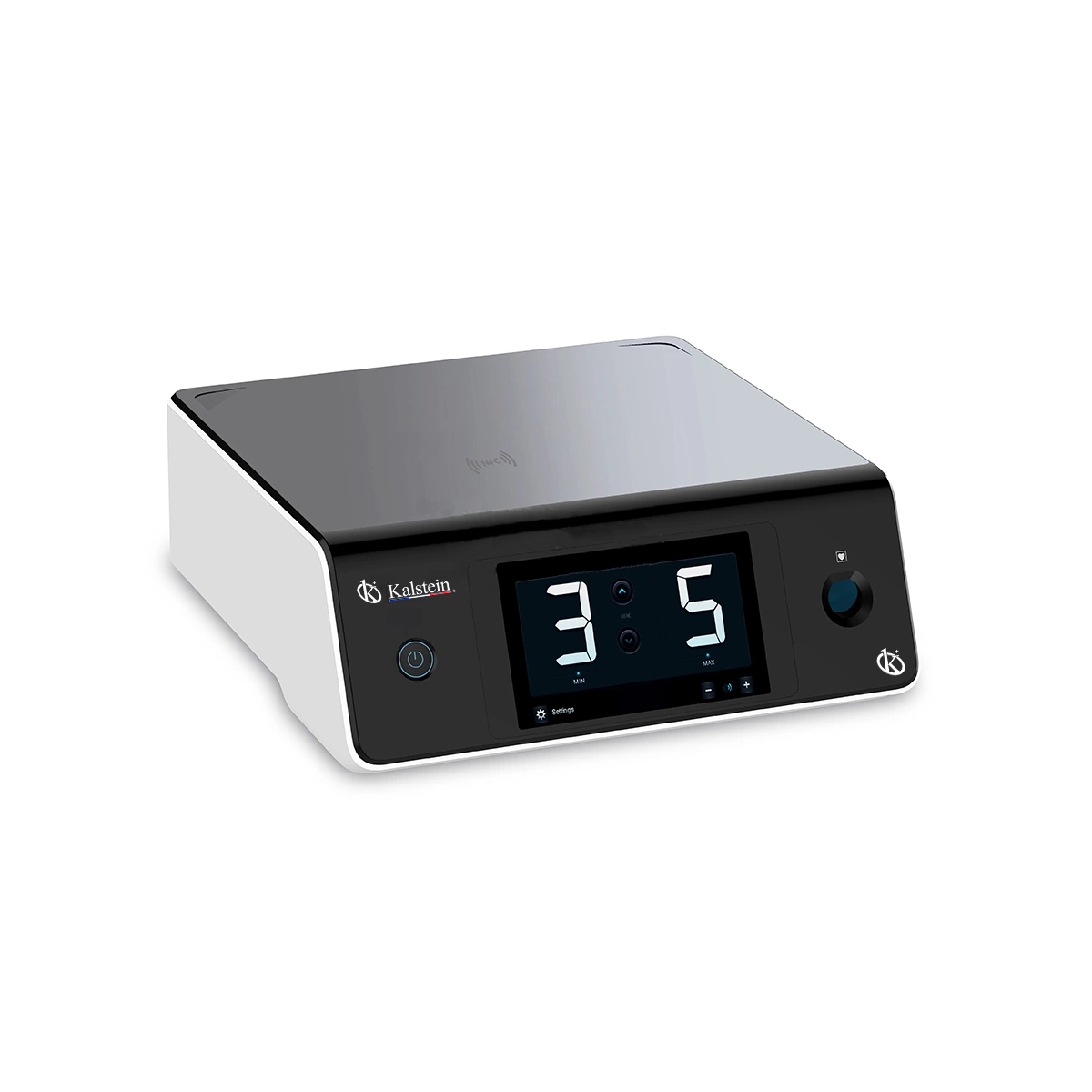
Regulatory Compliance in Veterinary Electrosurgical Units: Navigating ISO/IEC Standards
Veterinary electrosurgical units play a vital role in modern veterinary practices, significantly impacting surgical outcomes and operational efficiency. As the veterinary industry evolves, compliance with ISO/IEC standards becomes increasingly critical. This article delves into the ISO/IEC norms, their relevance for veterinary electrosurgical units, and how specific models meet these regulatory requirements.
Understanding ISO/IEC Standards for Veterinary Electrosurgical Units
ISO/IEC standards set the framework for ensuring quality, safety, and interoperability in medical devices, including veterinary electrosurgical units. Key standards relevant to this category include ISO 17025, which focuses on testing and calibration, and IEC 61010, which encompasses safety requirements for electrical equipment. Understanding these standards helps veterinary professionals select devices that not only comply with regulations but also enhance patient safety and clinical effectiveness.
ISO 17025 Compliance in Electrosurgical Units
ISO 17025 is essential for laboratories involved in testing and calibration to ensure reliable results. Veterinary electrosurgical units like the YR06129, which offers advanced control features, comply with this standard by providing precise measurements and operational consistency. Compliance with ISO 17025 also ensures that veterinary practices can trust the performance of their equipment, ultimately leading to better patient care.
IEC 61010 and Safety Compliance
IEC 61010 outlines safety requirements for electrical equipment used in laboratories and veterinary clinics. Devices such as the YR06130 and YR06131 have adhered to this standard by integrating safety mechanisms that prevent electrical hazards. Ensuring compliance with IEC 61010 not only protects operators but also enhances the overall clinical environment.
Traceability and Documentation Requirements
Traceability is crucial in veterinary practices to maintain compliance with ISO/IEC standards. Each surgical procedure performed using units like the YR06132 and YR06133 must be documented accurately to support compliance audits. Establishing a robust documentation process helps in maintaining laboratory markings and ensures that devices are traceable to their operational standards.
Comparison of Available Models
| Model | ISO/IEC Clauses Covered | Traceability Features | Best For |
|---|---|---|---|
| YR06129 | ISO 17025, IEC 61010 | Automatic transducer detection | Precision cutting in small vessels |
| YR06130 | IEC 61010 | Touchscreen control logs | General surgical procedures |
| YR06131 | ISO 17025, IEC 61010 | Automated logging | Laparoscopic procedures |
| YR06132 | ISO 17025 | Detailed operational records | Open surgeries requiring coagulation |
| YR06133 | IEC 61010 | Performance documentation | Versatile surgical applications |
| YR06134 | IEC 61010 | Usage tracking | Portable surgical settings |
Common Mistakes and How to Avoid Them
One common mistake in veterinary practices is failing to understand the specific compliance requirements for each device. For instance, not recognizing that the YR06130 has specific safety features that aid in compliance with IEC 61010 can lead to operational risks. Additionally, inadequate documentation of surgical procedures and equipment usage can jeopardize ISO 17025 compliance. Therefore, continuous training on these standards is essential for veterinary staff.
Productivity and Efficiency in Regulatory Compliance
Integrating models like the YR06131 into veterinary practices not only ensures compliance but also boosts productivity. These units provide efficient cutting and sealing capabilities, reducing surgery time and enhancing throughput. In a busy veterinary clinic, optimizing the use of electrosurgical units directly correlates with improved patient outcomes and operational efficiency.
Long-term ROI from Compliant Veterinary Electrosurgical Units
Investing in ISO/IEC compliant veterinary electrosurgical units has significant long-term financial benefits. For instance, the YR06132, with its advanced coagulation capabilities, minimizes surgical complications, leading to reduced re-operation rates and associated costs. Additionally, compliant units often experience less downtime and lower maintenance costs, resulting in better overall ROI.
Frequently Asked Questions
What are the ISO 17025 requirements for veterinary electrosurgical units?
ISO 17025 requires veterinary electrosurgical units to demonstrate reliability in performance. Models like the YR06129 comply with these standards by offering precise measurements essential for accurate surgical outcomes in veterinary practices.
How does IEC 61010 enhance safety in veterinary electrosurgical units?
IEC 61010 mandates safety features in veterinary electrosurgical units, which significantly reduce electrical hazards. For example, the safety mechanisms in the YR06130 ensure that both operators and patients are protected during surgical procedures.
Which veterinary electrosurgical unit is best for laparoscopic procedures?
The YR06131 is specifically designed for laparoscopic surgeries, providing reliable sealing and cutting capabilities while ensuring compliance with relevant ISO/IEC standards, enhancing safety and efficiency in these delicate procedures.
How can I ensure traceability in my surgical procedures?
Implementing units like the YR06132 that provide detailed operational records is critical for traceability. Accurate documentation of each procedure ensures compliance with ISO 17025 and helps in maintaining high-quality standards in veterinary practices.
What productivity benefits can I expect from compliant electrosurgical units?
Compliant veterinary electrosurgical units, such as the YR06133, facilitate faster surgical procedures, leading to higher patient throughput and increased clinic efficiency, ultimately enhancing overall productivity and service quality in veterinary practices.
Which model offers the best value for portable veterinary surgery?
The YR06134 is ideal for portable veterinary surgery, featuring a lightweight design and dual-wavelength capabilities, which ensures versatility and compliance with IEC 61010, making it an excellent choice for mobile clinics.
How can compliance with ISO standards reduce costs in veterinary practices?
Compliance with ISO standards, such as ISO 17025, ensures high-quality surgical outcomes, which minimizes complications and re-operations. This leads to reduced costs over time, particularly when utilizing models like the YR06132 that enhance operational efficiency.
What are the common pitfalls in maintaining compliance for electrosurgical units?
Common pitfalls include inadequate training on compliance standards and poor documentation practices. Using models like the YR06130 that facilitate comprehensive tracking can help mitigate these risks and ensure ongoing compliance.
If you are looking for a fusion of innovation and quality, you have come to the right place. At Kalstein, we offer you the luxury of exploring our exclusive catalog of laboratory equipment. We manufacture every device to the highest standards of excellence. Our intuitive and seamless online purchasing channels are designed for your convenience, securing the most competitive prices. Hesitate no longer — we bring science to life, it is time to become part of our community.