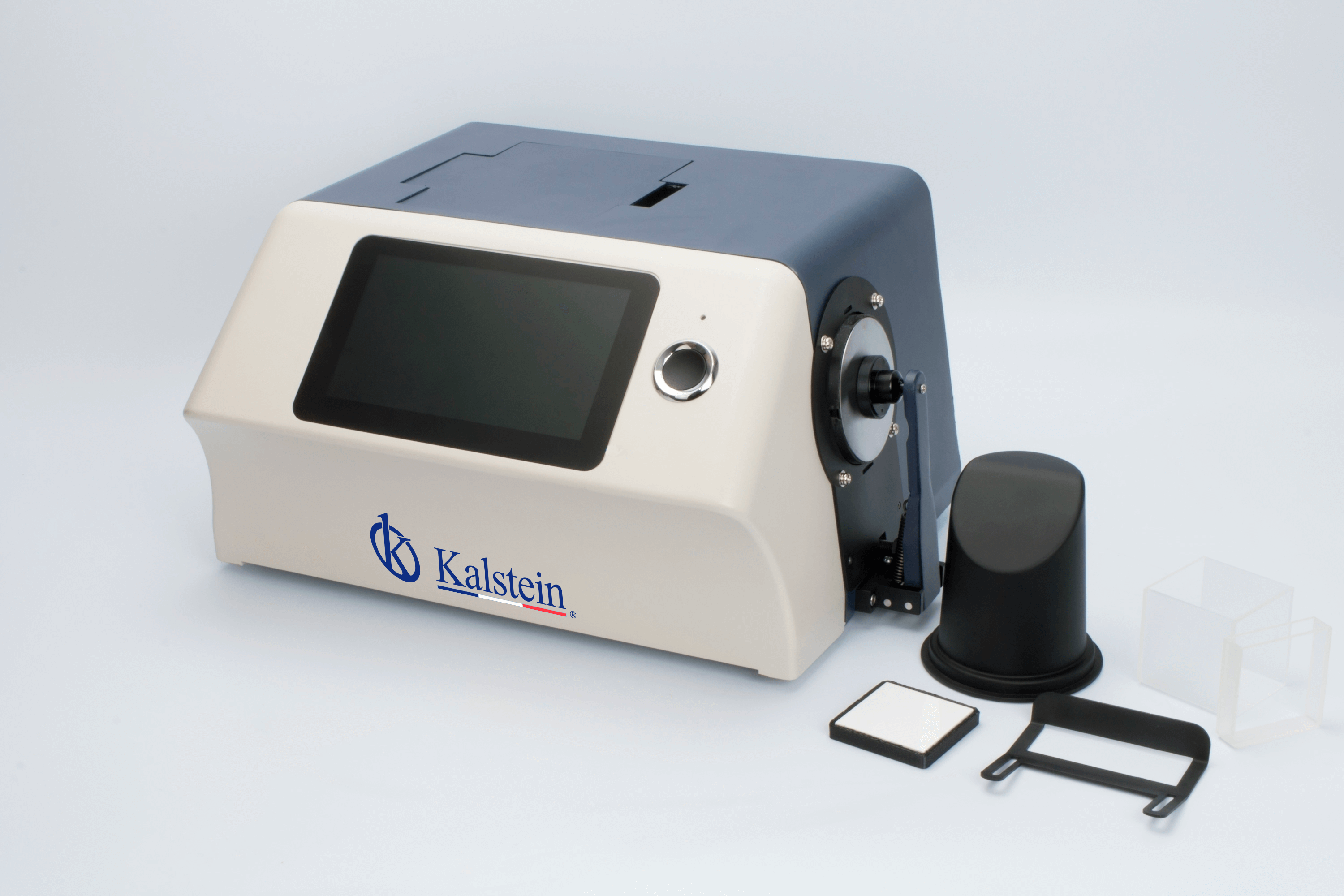
Evaluating ROI and Cost-Benefit Analysis for Benchtop Spectrophotometers
Laboratories today are under increasing pressure to demonstrate efficiency and effectiveness, driven by stringent budgets and the need for evidence-based results. Benchtop spectrophotometers are essential tools in various laboratory settings, but their cost and utility require thorough analysis to ensure that investments yield positive returns. This article explores the critical investment factors, ROI calculations, and how to perform a cost-benefit analysis for benchtop spectrophotometers to aid laboratory professionals in making informed decisions.
Understanding Benchtop Spectrophotometers and Their Role in ROI
Benchtop spectrophotometers are versatile instruments used for measuring the intensity of light in a spectrum of colors, crucial for applications such as quality control, research and development, and color analysis. The financial investment in these devices necessitates a comprehensive understanding of their operational costs and benefits. Each model provides distinct features and specifications that can influence overall ROI. By analyzing these instruments' performance, labs can assess their efficiency, productivity, and compliance with relevant standards, leading to better financial outcomes.
Comparison of Available Models
| Model | CAPEX (USD) | Cost per Test (USD) | Payback Period (Months) | Recommended Scenario |
|---|---|---|---|---|
| YR05474 | 6430.00 | 1.50 | 12 | R&D and lab analysis |
| YR05475 | 4695.00 | 1.25 | 10 | Quality control processes |
| YR05476 | 6430.00 | 1.60 | 14 | Research laboratories |
| YR05477 | 4695.00 | 1.30 | 11 | Translucent material testing |
| YR05478 | 4445.00 | 1.20 | 9 | Plastic and paint analysis |
| YR05482 | 4950.00 | 1.40 | 13 | Non-contact measurements |
Conducting a Cost-Benefit Analysis of Benchtop Spectrophotometers
A cost-benefit analysis (CBA) provides insight into the financial implications of investing in benchtop spectrophotometers. By comparing the costs involved with expected benefits, laboratories can make informed purchasing decisions. Key factors influencing the analysis include initial costs, operational expenses, expected lifespan, and productivity gains. For example, the YR05475 model has a lower initial cost and a faster payback period compared to others, making it a favorable choice for labs aiming to optimize costs without compromising on quality.
Key Factors Influencing ROI in Spectrophotometer Usage
Several factors can affect the ROI of benchtop spectrophotometers, including:
- Operational Efficiency: The speed and accuracy of measurements can lead to reduced testing times and increased throughput.
- Maintenance Costs: Regular maintenance ensures consistent performance and can mitigate unexpected expenses.
- Training Requirements: The need for skilled personnel can add to operational costs, which should be considered in ROI calculations.
- Regulatory Compliance: Adhering to industry standards such as ISO 17025 can prevent costly fines and enhance credibility.
Calculating the Payback Period for Different Models
The payback period is a crucial metric in evaluating ROI. It represents the time taken to recover the initial investment through the net income generated by the equipment. By dividing the total cost of the instrument by the annual savings or net income it produces, laboratories can estimate how long it will take to break even. For instance, with a purchase price of $4695 for the YR05475 model and an estimated annual savings of $4,000, the payback period would be approximately 14 months.
Return on Investment: A Numerical Breakdown
To illustrate the ROI, consider the following breakdown for the YR05474 model:
| Parameter | Value |
|---|---|
| Initial Investment | $6430 |
| Annual Operating Cost (including consumables) | $1500 |
| Annual Revenue Generated | $10,000 |
| Net Annual Income | $8500 |
| Payback Period | 0.76 years or approximately 9 months |
Common Mistakes and How to Avoid Them
When conducting a cost-benefit analysis for benchtop spectrophotometers, it's common to fall into pitfalls such as:
- Overlooking Indirect Costs: Failing to account for indirect costs such as training and maintenance can skew calculations.
- Focusing Solely on Initial Costs: A low initial cost doesn't always equate to a better long-term investment.
- Ineffective Projections: Be cautious with overly optimistic revenue projections; realistic expectations lead to better decision-making.
Frequently Asked Questions
What factors should I consider for ROI in benchtop spectrophotometers?
When evaluating ROI for benchtop spectrophotometers, consider initial investment, maintenance costs, operational efficiency, and potential revenue generated. For instance, the YR05475 model offers a good balance between cost and performance, making it a strong candidate for quick ROI realization.
How long does it typically take to see ROI from a benchtop spectrophotometer?
The payback period for benchtop spectrophotometers can vary, but models like the YR05478 may offer a payback period of about 9 months, allowing labs to see returns relatively quickly if used effectively in quality control processes.
Which benchtop spectrophotometer offers the best cost-benefit ratio?
The YR05475 model is frequently recognized for its competitive pricing and features, providing a strong cost-benefit ratio ideal for laboratories focused on maximizing efficiency without high upfront costs.
What are some common pitfalls in cost-benefit analysis for laboratory equipment?
Common pitfalls include neglecting indirect costs, focusing only on initial costs, and making overly optimistic revenue projections. These can severely impact the accuracy of ROI calculations for instruments like the YR05474 spectrophotometer.
How can I calculate savings from using a benchtop spectrophotometer?
To calculate savings, analyze the reduction in time and resources required for testing before and after acquiring the device. For example, using the YR05476 model might reduce testing times significantly, improving throughput and overall lab efficiency.
What is the importance of compliance for benchtop spectrophotometers?
Compliance with standards such as ISO 17025 ensures reliability and quality of measurements made by benchtop spectrophotometers, like the YR05482, enhancing laboratory credibility and reducing the risk of non-compliance penalties.
What should I analyze for long-term investment in benchtop spectrophotometers?
For long-term investment analysis, consider the total cost of ownership, including purchase costs, operational expenses, and potential revenue generation. Evaluating models like YR05477 can help you identify the best fit for your laboratory needs.
What role does maintenance play in ROI calculations for spectrophotometers?
Maintenance plays a critical role in ensuring the functionality and longevity of benchtop spectrophotometers. Neglected equipment can lead to increased operational costs and lower ROI, making regular maintenance essential for models like YR05474.
If you are looking for a fusion of innovation and quality, you have come to the right place. At Kalstein, we offer you the luxury of exploring our exclusive catalog of laboratory equipment. We manufacture every device to the highest standards of excellence. Our intuitive and seamless online purchasing channels are designed for your convenience, securing the most competitive prices. Hesitate no longer — we bring science to life, it is time to become part of our community.