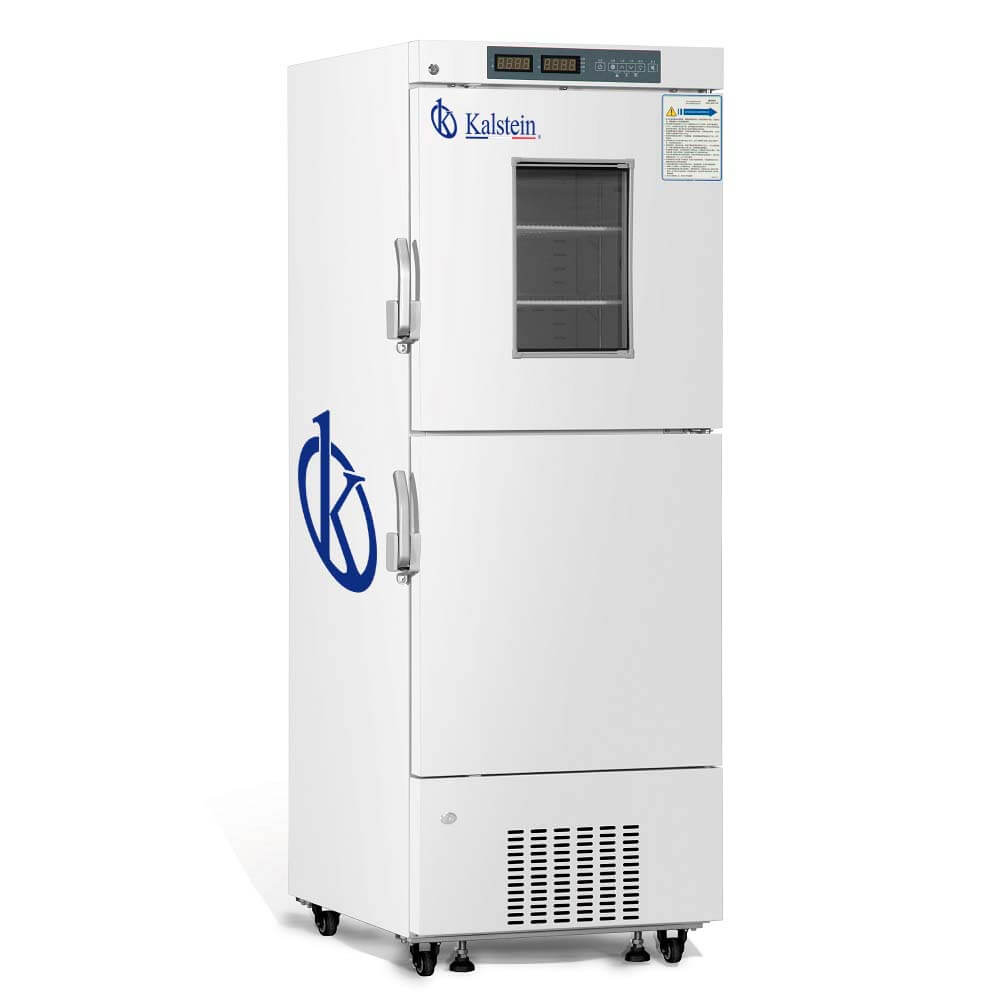
Maximizing ROI Through Cost-Benefit Analysis of Combined Freezers
In laboratory settings, the efficiency and effectiveness of equipment directly influence operational costs and outcomes. Among these critical devices, combined freezers play a vital role in storing sensitive biological materials. Understanding the return on investment (ROI) and performing a cost-benefit analysis on these units is essential for laboratory professionals looking to optimize their resources. This article delves into the nuances of ROI and cost-benefit analysis as they pertain to the use of combined freezers in laboratories.
Understanding ROI in Laboratory Context
ROI is a measure of the profitability of an investment relative to its costs. In a laboratory context, it evaluates how equipment, such as combined freezers, can enhance productivity and reduce expenses over time. By analyzing both the initial capital expenditure (CAPEX) and ongoing operational expenditures (OPEX), professionals can make informed decisions regarding their laboratory's asset management.
Key Factors Influencing Cost-Benefit Analysis of Combined Freezers
When conducting a cost-benefit analysis for combined freezers, several factors must be considered, including purchase price, energy consumption, maintenance costs, and the lifespan of the equipment. Additionally, evaluating how these units meet regulatory standards and affect the overall productivity of the laboratory is crucial.
Technical Features of Combined Freezers
Combined freezers, such as the YR05320, YR05321, and YR05321-1 models, offer unique features that can influence their cost-effectiveness:
- YR05320: This model provides dual cooling systems for maintaining different temperature ranges, ideal for plasma storage and vaccine preservation.
- YR05321: It features a double chamber design with independent temperature control, enhancing flexibility in usage.
- YR05321-1: This unit also offers a double cooling system, tailored for diverse laboratory needs while optimizing energy efficiency.
Calculating Total Cost of Ownership (TCO)
Total Cost of Ownership (TCO) includes all costs associated with acquiring and operating equipment over its entire life cycle. For combined freezers, this might encompass acquisition costs, installation, consumables, maintenance, and energy usage. An in-depth TCO analysis helps determine the long-term financial viability of a unit.
Comparison of Available Models
| Model | CAPEX (USD) | Energy Consumption (kWh/24h) | Payback Period (months) | Best Use Case |
|---|---|---|---|---|
| YR05320 | 1415.00 | 4.15 | 36 | Plasma storage and vaccine preservation |
| YR05321 | 1060.00 | 3.03 | 30 | Hospital blood stations and laboratories |
| YR05321-1 | 745.00 | 3.00 | 24 | Transfusion centers and research labs |
Common Mistakes and How to Avoid Them
Laboratory professionals often make missteps when evaluating equipment for ROI. Common pitfalls include overlooking hidden costs, neglecting to consider the total life cycle of the equipment, and failing to match equipment capabilities with laboratory needs. To avoid these, it is crucial to conduct thorough research, compare similar models comprehensively, and involve all stakeholders in discussions about equipment purchases.
Frequently Asked Questions
What factors should I consider for ROI of combined freezers like YR05320?
When evaluating the ROI of combined freezers such as the YR05320, consider factors like initial costs, energy consumption, maintenance expenses, and how the unit's temperature control capabilities can enhance operations. This model, with a CAPEX of 1415.00 and energy use of 4.15 kWh/24h, offers a unique balance of functionality and cost.
How does energy consumption impact the cost-benefit analysis of combined freezers?
Energy consumption significantly affects the total operational cost of combined freezers. For example, the YR05321 has a lower energy consumption of 3.03 kWh/24h, leading to reduced electricity bills. This reduction enhances its overall cost-benefit ratio, making it a more attractive option for laboratories.
What is the expected payback period for the YR05321-1 model in a busy lab?
The YR05321-1 model has an estimated payback period of 24 months, making it a cost-effective option for busy labs. Its efficient design and operational capabilities allow laboratories to recover their initial investment quickly while maintaining high productivity levels.
How can a laboratory optimize energy efficiency with combined freezers?
Laboratories can optimize energy efficiency by selecting models with lower energy consumption ratings, such as the YR05321, which consumes only 3.03 kWh/24h. Additionally, maintaining proper usage and settings can further enhance energy savings.
What are the common applications for the YR05320 in a laboratory?
The YR05320 model is ideal for applications requiring strict temperature control, such as plasma storage and vaccine preservation. Its dual cooling system enables laboratories to maintain specific temperature ranges necessary for sensitive materials.
How does the combined freezer model impact lab productivity?
Models like the YR05321 with independent temperature controls allow laboratory professionals to manage different materials simultaneously, enhancing overall productivity. Being able to operate at varying temperatures increases efficiency in workflows.
What role does maintenance play in the ROI of combined freezers?
Regular maintenance of combined freezers is crucial for ensuring longevity and reliability. Neglecting maintenance can lead to increased downtime and repair costs, ultimately reducing ROI. For instance, maintaining the YR05321-1 can help keep its operational efficiency high, ensuring a better return on investment.
What is the significance of dual cooling systems in combined freezers?
Dual cooling systems, as seen in models like YR05321, allow for independent temperature control, which is vital for laboratories handling multiple types of samples. This feature not only improves efficiency but also preserves the integrity of different materials stored within the unit.
If you are looking for a fusion of innovation and quality, you have come to the right place. At Kalstein, we offer you the luxury of exploring our exclusive catalog of laboratory equipment. We manufacture every device to the highest standards of excellence. Our intuitive and seamless online purchasing channels are designed for your convenience, securing the most competitive prices. Hesitate no longer — we bring science to life, it is time to become part of our community.