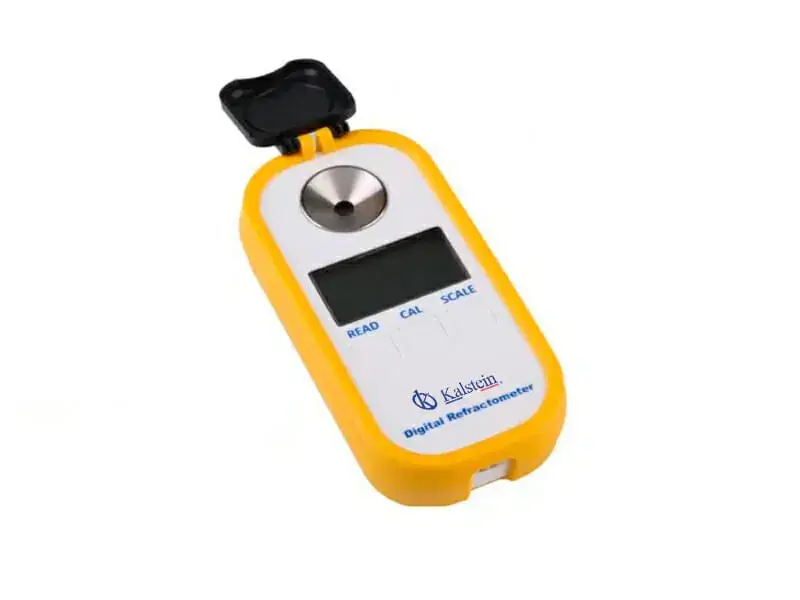
Understanding ROI and Cost-Benefit Analysis for Digital BRIX+ Salinity Refractometers in Laboratories
In modern laboratory environments, the evaluation of equipment through Return on Investment (ROI) and cost-benefit analysis is crucial for informed decision-making. This article delves into the specific applications of Digital BRIX+ Salinity Refractometers, exploring how these tools can optimize laboratory operations while delivering substantial financial benefits. We will review multiple models, their specific features, and how they contribute to overall laboratory efficiency and cost-effectiveness.
Introduction to Digital BRIX+ Salinity Refractometers
Digital BRIX+ Salinity Refractometers are essential tools for laboratories engaged in analyzing the concentration of soluble solids, especially in food and beverage testing. These instruments not only measure sugar content but also assess salinity levels, making them versatile for various applications. Understanding the financial implications of these devices through effective ROI and cost-benefit analysis can lead to better procurement decisions.
ROI and Cost-Benefit Analysis Framework
To effectively evaluate the ROI of Digital BRIX+ Salinity Refractometers, it’s important to establish a clear framework. ROI is typically calculated as follows:
ROI = (Net Profit / Total Costs) x 100
For laboratories, costs include initial purchase price, maintenance, calibration, and operational expenses, while net profit can be assessed through productivity gains or reductions in consumable costs. This framework sets the stage for a comprehensive cost-benefit analysis.
Key Factors Influencing ROI in Laboratory Equipment
Several factors significantly impact the ROI of Digital BRIX+ Salinity Refractometers:
- Initial Purchase Cost: The upfront cost of a unit can vary based on the model and features. For instance, the YR05961 model is priced at $76.00.
- Operational Efficiency: Models like YR05962 provide quick measurements that reduce analysis time, leading to increased throughput.
- Maintenance and Calibration: Regular maintenance and calibration are necessary for accuracy, influencing long-term costs.
- Training and Staff Productivity: Ease of use impacts training times, thus affecting overall productivity.
Comparison of Available Models
| Model | Measurement Range | Min. Division | Accuracy | ATC | Price (USD) |
|---|---|---|---|---|---|
| YR05961 | 0-50% Brix | 0.10% | ±0.2% | Yes | $76.00 |
| YR05962 | 0-280‰ Salinity | 0.10% | ±0.2% | Yes | $76.00 |
| YR05963 | 0-280‰ Salinity | 1‰ | ±2‰ | Yes | $76.00 |
| YR05964 | 1.000-1.217 Density | 0.001 | ±0.002 | Yes | $76.00 |
| YR05965 | 1.3330-1.4200 nD | 0.0001 nD | ±0.0003 nD | Yes | $76.00 |
Common Mistakes and How to Avoid Them
Laboratories often encounter several pitfalls when investing in Digital BRIX+ Salinity Refractometers. Here are common mistakes and strategies to avoid them:
- Overlooking Calibration Requirements: Always ensure the selected model includes automatic temperature compensation and set a regular calibration schedule to maintain accuracy.
- Neglecting Total Cost of Ownership: Evaluate all associated costs, including maintenance and consumables, rather than just the upfront price.
- Failure to Train Staff: Provide adequate training to maximize the efficiency and accuracy of measurements.
Measuring Productivity Gains through Digital BRIX+ Salinity Refractometers
Implementing Digital BRIX+ Salinity Refractometers in laboratories can lead to notable productivity gains. These instruments can significantly improve turnaround times, especially in high-throughput environments. For example, the YR05961 model is designed for rapid sugar measurement, allowing laboratories to process more samples in less time.
Cost Analysis of Digital BRIX+ Salinity Refractometers
To illustrate the cost-effectiveness of these refractometers, consider the following table that outlines potential costs associated with different laboratory scenarios:
| Scenario | Initial Cost | Annual Maintenance Cost | Average Monthly Tests | Cost per Test |
|---|---|---|---|---|
| Small Laboratory | $76.00 | $10.00 | 100 | $0.76 |
| Medium Laboratory | $76.00 | $20.00 | 300 | $0.46 |
Frequently Asked Questions
What is the ROI from using Digital BRIX+ Salinity Refractometers in laboratories?
Calculating ROI from Digital BRIX+ Salinity Refractometers can yield significant benefits, often resulting in payback periods of less than 6 months due to increased efficiency and reduced operational costs. For example, the YR05961 model, priced at $76.00, can lead to substantial productivity improvements in sugar concentration analysis.
How does the cost of Digital BRIX+ Salinity Refractometers compare with traditional methods?
Digital BRIX+ Salinity Refractometers, such as the YR05962 model, offer rapid and accurate measurements compared to traditional methods, which require more time and resources, significantly lowering the overall cost per test over time.
What are the ongoing maintenance costs for Digital BRIX+ Salinity Refractometers?
Ongoing maintenance costs for Digital BRIX+ Salinity Refractometers generally average around $10-$20 annually depending on usage. Proper maintenance ensures instruments like the YR05964 model remain reliable and accurate.
How long does it take to see results from Digital BRIX+ Salinity Refractometers?
Results from Digital BRIX+ Salinity Refractometers are typically available within seconds, streamlining laboratory workflows. The YR05961 model, for instance, delivers quick, accurate readings that enhance throughput.
What specific applications benefit from Digital BRIX+ Salinity Refractometers?
Applications in food and beverage testing, such as fruit juice analysis and saltwater measurements, benefit significantly from models like the YR05963, which accurately measure salinity levels.
How can I integrate Digital BRIX+ Salinity Refractometers into existing laboratory workflows?
To integrate Digital BRIX+ Salinity Refractometers, ensure staff is trained for seamless operation, and that the laboratory layout accommodates efficient sample processing. Tools like the YR05965 model support easy integration into various workflows.
What factors should I consider when selecting a Digital BRIX+ Salinity Refractometer?
Consider measurement range, accuracy, and calibration features when selecting a Digital BRIX+ Salinity Refractometer. Models like YR05962 and YR05961 offer diverse functionalities suited for various laboratory needs.
Where can I find competitive quotes for Digital BRIX+ Salinity Refractometers?
For competitive quotes on Digital BRIX+ Salinity Refractometers, including the YR05961 model, consider reaching out to specialized laboratory equipment suppliers.
If you are looking for a fusion of innovation and quality, you have come to the right place. At Kalstein, we offer you the luxury of exploring our exclusive catalog of laboratory equipment. We manufacture every device to the highest standards of excellence. Our intuitive and seamless online purchasing channels are designed for your convenience, securing the most competitive prices. Hesitate no longer — we bring science to life, it is time to become part of our community.