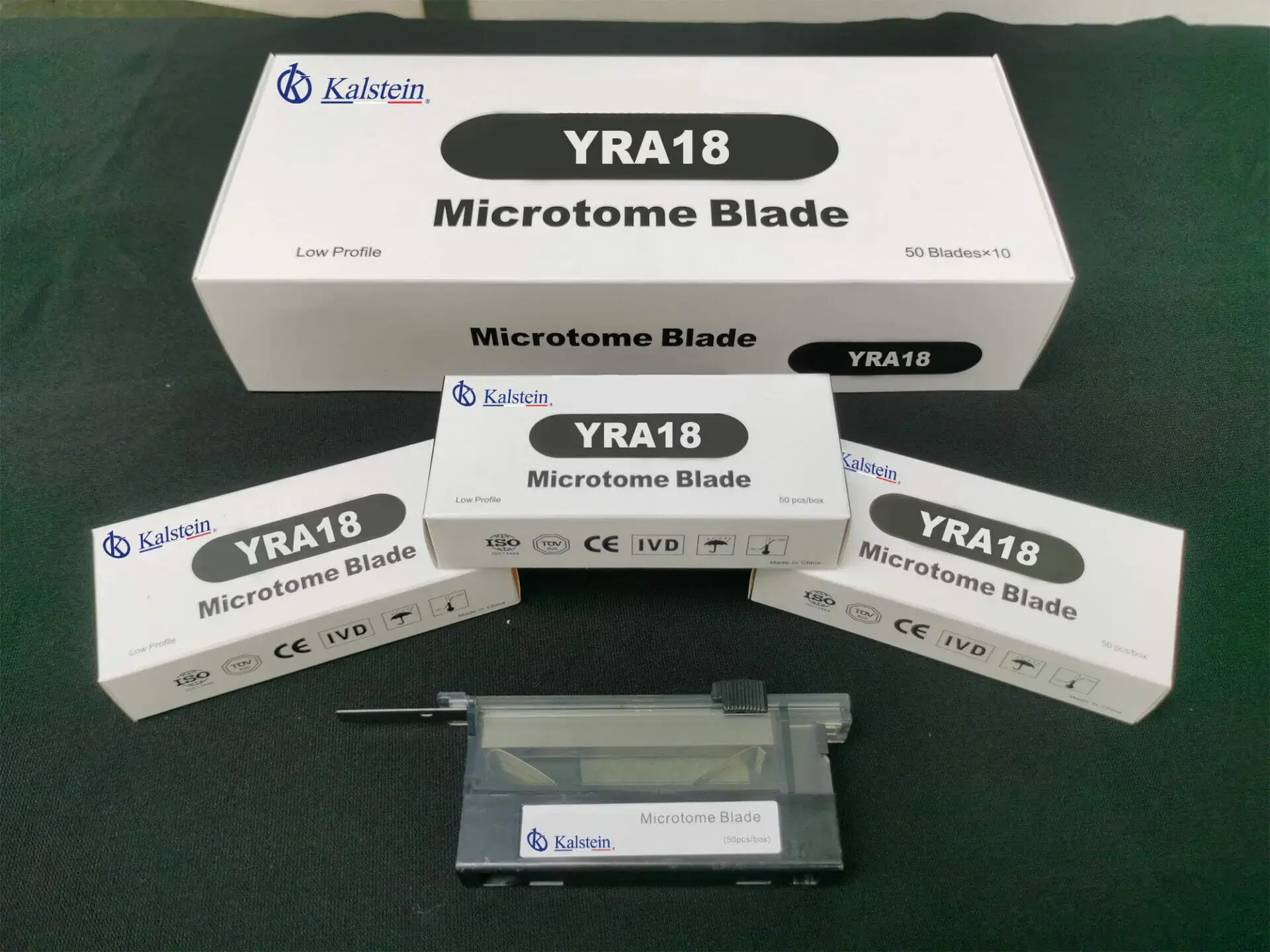
Understanding ROI and Cost-Benefit Analysis for Histopathology Consumables
Histopathology is a crucial area in laboratory medicine that demands high-quality consumables to ensure accurate results and efficient operation. In a field where precision is paramount, understanding the return on investment (ROI) and conducting a thorough cost-benefit analysis become essential in evaluating consumables like microtome blades, embedding cassettes, and paraffin products. This article will delve into the financial implications of using various histopathology consumables, focusing on how these investments contribute to both operational efficiency and diagnostic accuracy.
Framing Histopathology Consumables Through ROI and Cost-Benefit Analysis
The use of histopathology consumables directly impacts the quality of results and the overall efficiency of laboratory operations. By analyzing the costs associated with different consumables against the benefits they yield, laboratories can make informed decisions that enhance performance and reduce waste. Factors to consider include the initial investment costs (CAPEX), ongoing operational costs (OPEX), and overall payback periods. Evaluating each product's contribution to reducing errors and saving time can shift the decision-making process from merely focusing on upfront costs to a more comprehensive view of long-term value.
Comparison of Available Models
| Model | CAPEX (USD) | Cost per Use (USD) | Payback Period (Months) | Recommended Scenario |
|---|---|---|---|---|
| YRA18-1 | 10000.00 | 0.04 | 12 | Standard lab operations with high sample throughput |
| YRA19-1 | 1600.00 | 0.08 | 6 | Precision tasks requiring high-profile blades |
| YRA20-1 | 252.00 | 0.03 | 9 | Embedding tissue for routine sample processing |
| YRA21-1 | 144.00 | 0.04 | 8 | Multi-sample processing with reliable performance |
| YRA33-2 | 60.00 | 0.02 | 3 | Embedding and sectioning for regular lab workflows |
| YRA33-3 | 60.00 | 0.02 | 3 | Efficient paraffin handling for various applications |
Evaluating Cost Per Use and Overall Value
The cost per use is a critical metric that helps laboratories evaluate consumables in terms of operational efficiency and economic viability. For instance, the YRA20-1 Tissue Embedding Cassette, priced at $252.00, demonstrates a remarkably low cost of $0.03 per use, making it an excellent option for routine embedding operations. In contrast, the more specialized YRA19-1 Disposable Microtome Blade, although slightly higher in upfront investment at $1,600.00, exhibits an essential role in ensuring higher accuracy in critical tasks.
Understanding the Payback Period in Laboratory Settings
The payback period, expressed in months, reflects the time required to recoup initial investments through savings generated by the consumables. For example, the YRA33-2 Paraffin Block, with its lower cost of $60.00 and a payback period of just three months, highlights the importance of selecting options that provide quick returns. This metric not only indicates the efficiency of the consumables but also assists laboratories in planning their budget and procurement strategies.
Common Mistakes and How to Avoid Them
When evaluating histopathology consumables, common mistakes often arise from focusing solely on initial purchase costs without considering long-term value. To avoid these pitfalls, laboratories should invest time in conducting a comprehensive cost-benefit analysis, including factors such as labor efficiency, error reduction, and material longevity. For instance, opting for higher-quality products like the YRA19-1 may incur a higher initial cost, but the benefits of reduced errors and time savings can lead to significant overall savings in laboratory operations.
Frequently Asked Questions
What are the return on investment metrics for histopathology consumables?
ROI metrics for histopathology consumables, such as the YRA20-1 Tissue Embedding Cassette, focus on initial cost, operational efficiency, and long-term savings. This model, with a low cost per use of $0.03, exemplifies how investing in reliable products can yield returns quickly through improved sample processing efficiency.
How can histopathology labs calculate cost per use for consumables?
To calculate cost per use for consumables like the YRA33-2 Paraffin Block, divide the total costs by the number of uses. With a total price of $60.00, if utilized 300 times, the cost per use would be $0.20, providing clear insights for budgeting and efficiency assessments.
Which embedding cassette is best for cost-effectiveness in histopathology labs?
The YRA20-1 Tissue Embedding Cassette is known for its cost-effectiveness, with a purchase price of $252.00 and a low cost per use of $0.03, making it suitable for labs aiming to optimize their consumables without sacrificing quality.
How does the choice of microtome blades impact laboratory efficiency?
The choice of microtome blades, such as the YRA19-1 Disposable Microtome Blade, can significantly impact laboratory efficiency. Higher-quality blades ensure precision and reduce sample sectioning time, thereby enhancing throughput and accuracy in histopathology work.
What factors should labs consider in a cost-benefit analysis of consumables?
Labs should consider factors including initial cost, labor efficiency, error reduction, and consumable lifespan in their cost-benefit analysis. For instance, investing in the YRA18-1 Disposable Microtome Blade can lead to significant long-term savings through improved accuracy and reduced errors.
How does the payback period affect purchasing decisions for histopathology supplies?
The payback period is crucial for purchasing decisions, as it determines how quickly a lab will recoup its investment. A shorter payback period, like three months for the YRA33-2 Paraffin Block, makes it an attractive option for labs needing quick returns on their consumables investments.
What are the common pitfalls in selecting histopathology consumables?
Common pitfalls include focusing on initial costs without considering long-term value, leading to potentially costly errors and inefficiencies. Selecting higher-quality products like the YRA19-1 can mitigate these risks, ensuring better reliability and operational effectiveness.
How can labs ensure the quality of histopathology consumables impacts their results?
Ensuring the quality of histopathology consumables impacts results significantly. Using high-quality models like the YRA21-1 Plastic Cassette with a solid design can enhance sectioning accuracy and reduce the likelihood of sample loss, directly influencing diagnostic outcomes.
If you are looking for a fusion of innovation and quality, you have come to the right place. At Kalstein, we offer you the luxury of exploring our exclusive catalog of laboratory equipment. We manufacture every device to the highest standards of excellence. Our intuitive and seamless online purchasing channels are designed for your convenience, securing the most competitive prices. Hesitate no longer — we bring science to life, it is time to become part of our community.