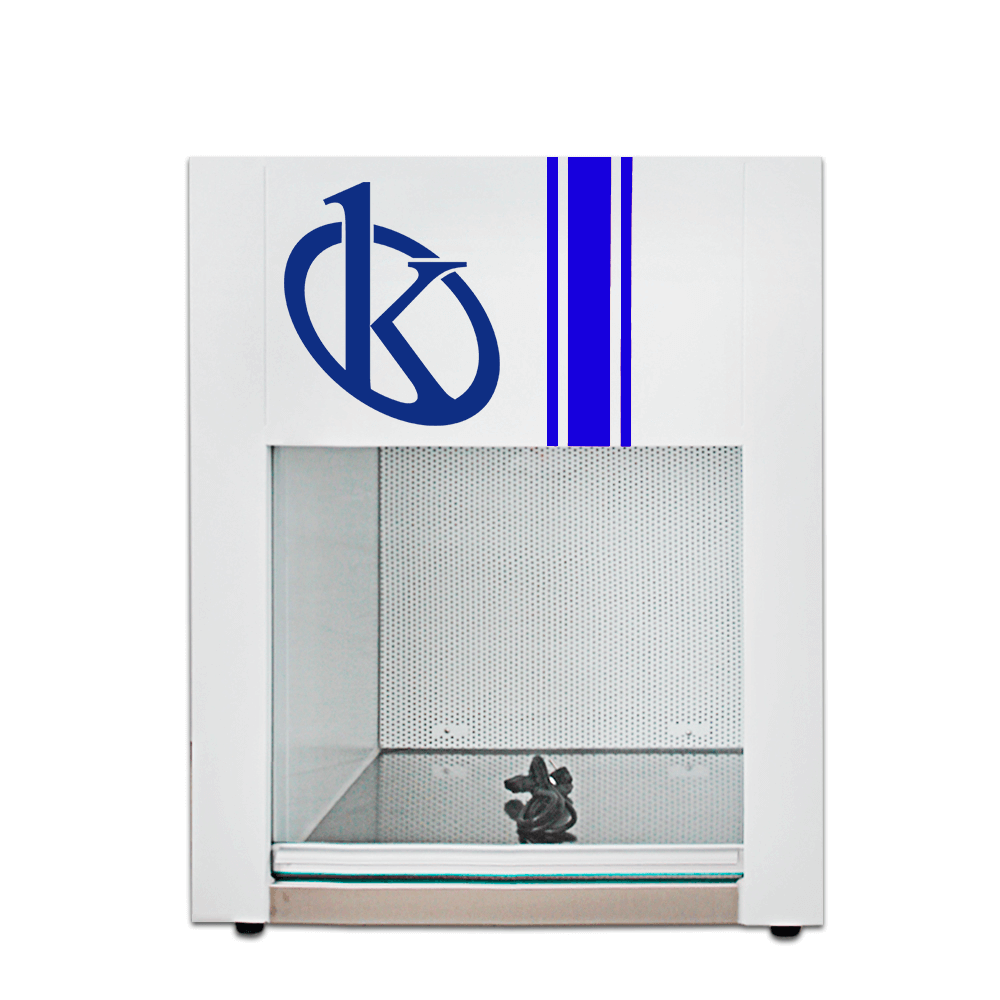
How to Evaluate ROI and Cost-Benefit Analysis for Horizontal Laminar Flow Clean Benches?
In the laboratory setting, Horizontal Laminar Flow Clean Benches play a critical role in ensuring a sterile environment for sensitive procedures. However, when investing in such equipment, laboratory professionals must thoroughly evaluate the return on investment (ROI) and conduct a cost-benefit analysis. This article provides a comprehensive look into various models of Horizontal Laminar Flow Clean Benches, guiding how each affects laboratory efficiency and cost-effectiveness.
Understanding ROI in Laboratory Settings
ROI is a crucial metric for lab managers, representing the financial return relative to the investment made in laboratory equipment. For Horizontal Laminar Flow Clean Benches, factors influencing ROI include initial costs, operational costs, and potential savings related to contamination prevention and product integrity.
Cost-Benefit Analysis: Why It Matters?
A cost-benefit analysis aids laboratories in assessing whether the benefits of a purchase outweigh its costs. This involves comparing the operational efficiency offered by different models of Horizontal Laminar Flow Clean Benches against their costs, which is vital for informed decision-making.
Comparison of Available Models
| Model | CAPEX (USD) | Cost per Test (USD) | Payback Period (Months) | Best For |
|---|---|---|---|---|
| YR05723 | 240.00 | 3.60 | 6 | Small research labs |
| YR05724 | 300.00 | 3.80 | 7 | Educational institutions |
| YR05726 | 420.00 | 4.20 | 8 | Medium-sized labs |
| YR05727 | 650.00 | 4.80 | 12 | High throughput laboratories |
| YR05728 | 660.00 | 5.00 | 13 | Biotechnology labs |
| YR05729 | 1020.00 | 7.50 | 18 | Large-scale research centers |
Factors Influencing Cost-Benefit Outcomes
Several factors influence the cost-benefit outcomes of Horizontal Laminar Flow Clean Benches, such as maintenance costs, energy consumption, and the lifespan of the equipment. Understanding these factors allows laboratory managers to choose models that provide the best long-term benefits.
Analyzing Initial Costs vs. Operational Costs
Initial costs encompass the purchase price and installation expenses, while operational costs include energy consumption, maintenance, and consumable supplies. Assessing these categories helps in determining the total cost of ownership for each model, critical in an effective cost-benefit analysis.
Quantitative Breakdown: CAPEX vs. OPEX
A detailed examination of capital expenditures (CAPEX) and operational expenditures (OPEX) enables labs to calculate the total cost of ownership over the equipment's lifespan. For example, Model YR05723 has a lower CAPEX but may have higher operational costs compared to YR05729, which requires a deeper analysis of ROI.
Common Mistakes and How to Avoid Them
Many lab managers overlook hidden costs in their evaluations. Regular maintenance, energy costs, and potential downtime should be factored in to avoid underestimating expenses. Additionally, failing to consider the specific needs of the laboratory can lead to poor decisions.
Frequently Asked Questions
How much does a Horizontal Laminar Flow Clean Bench cost for small labs?
The cost for an entry-level model, such as YR05723, is approximately $240. This model is ideal for small research labs aiming for a sterile environment without incurring high initial costs.
What is the expected ROI for a YR05724 model in educational settings?
With a purchase price of $300, the YR05724 model offers a payback period of around 7 months, making it a cost-effective choice for educational institutions looking to enhance their laboratory settings.
How do I calculate the total cost of ownership for YR05726?
The total cost of ownership for YR05726 includes its initial cost of $420, plus annual operational costs such as maintenance and supplies, which can be broken down further for detailed budgeting.
Which Horizontal Laminar Flow Clean Bench model offers the best payback period for medium labs?
The YR05726 model, with a payback period of 8 months, is particularly well-suited for medium-sized labs due to its balance of cost and operational efficiency.
What factors should I consider in the cost analysis of YR05727?
When analyzing YR05727, consider initial costs, maintenance needs, and energy consumption, which significantly influence operational costs and overall ROI.
Can investing in YR05729 reduce costs in large research centers?
Yes, while YR05729 has a higher initial cost at $1020, its durability and efficiency can lead to lower long-term operational costs, making it a wise investment for large research centers.
How does energy consumption affect the cost-benefit analysis of these models?
Energy consumption directly impacts operational costs, with models like YR05723 being more economical than larger models. Evaluating energy use is essential for accurate cost-benefit assessments.
What operational savings can be expected from using Horizontal Laminar Flow Clean Benches?
Operational savings stem from improved contamination control and reduced test failures. For instance, using the YR05728 model can minimize rework and increase productivity.
If you are looking for a fusion of innovation and quality, you have come to the right place. At Kalstein, we offer you the luxury of exploring our exclusive catalog of laboratory equipment. We manufacture every device to the highest standards of excellence. Our intuitive and seamless online purchasing channels are designed for your convenience, securing the most competitive prices. Hesitate no longer — we bring science to life, it is time to become part of our community.