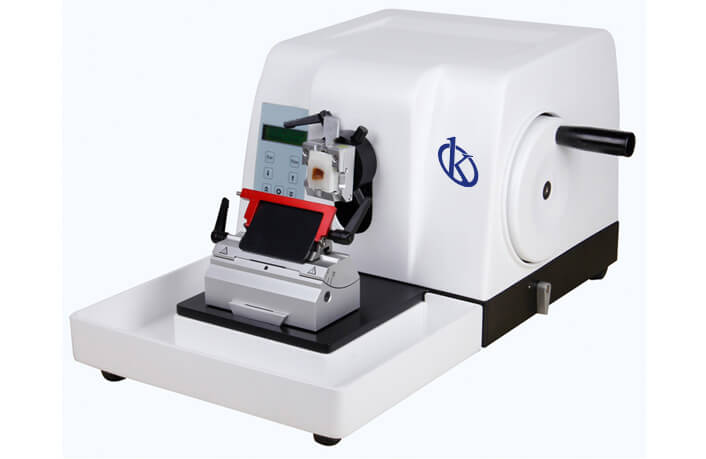
Understanding ROI and Cost-Benefit Analysis for Microtome Series in Laboratories
In laboratory settings, especially within pathological anatomy, the choice of equipment significantly impacts operational efficiency and budget management. Microtomes play a critical role in histology, and understanding their return on investment (ROI) and cost-benefit implications can help laboratories optimize their resources. This article focuses on how various models in the Microtome Series can influence ROI and the overall cost-effectiveness based on their specifications and intended applications.
Microtome Series and Its Importance in Laboratories
The Microtome Series offers a variety of devices tailored for slicing samples into thin sections for microscopy. When laboratories select a microtome, it is essential to evaluate not only the initial purchase cost but also the long-term benefits, including labor efficiency, operational costs, and compliance with industry standards. An effective cost-benefit analysis considers factors such as CAPEX (capital expenditures), OPEX (operational expenditures), maintenance costs, and the potential revenue generated through improved throughput and quality.
Comparison of Available Models
| Model | CAPEX (USD) | Cost per Section (USD) | Payback Period (Months) | Recommended Scenario |
|---|---|---|---|---|
| YR416 | 3600.00 | 0.10 | 18 | High-throughput laboratories needing precision. |
| YR417 | 4000.00 | 0.12 | 20 | Versatile use in both research and quality control. |
| YR420 | 2400.00 | 0.08 | 15 | Ideal for histological and pathological applications. |
| YR421 | 2400.00 | 0.08 | 15 | Best for high-precision work with minimal wear. |
| YR422 | 1200.00 | 0.05 | 12 | Cost-effective for educational and low-budget settings. |
Key Factors in ROI and Cost-Benefit Analysis
When evaluating the ROI and cost-benefit of a microtome, laboratories should consider both direct and indirect costs. Direct costs include the purchase price, maintenance, and operational expenses, while indirect costs focus on labor efficiency, training requirements, and compliance expenses. Comparing the performance of different models enables laboratories to identify which microtomes provide the best value based on their specific needs.
Understanding CAPEX and OPEX in Microtome Selection
In the context of microtome selection, CAPEX represents the initial capital investment required to purchase the equipment, while OPEX encompasses the ongoing costs associated with operation, maintenance, and consumables. For instance, the YR416 model, priced at $3,600, offers a promising payback period of 18 months due to its operational efficiencies. In contrast, the budget-friendly YR422, with a lower initial investment of $1,200, demonstrates a quicker payback period of 12 months, making it an attractive option for smaller laboratories.
Analyzing Cost per Test and Long-Term Benefits
The cost per section is a vital metric in determining the long-term value of a microtome. A model like the YR420 reduces sectioning costs to approximately $0.08 per section, making it cost-effective for high-throughput environments. Additionally, improved quality control and consistent sectioning result in better histological outcomes, which can lead to increased funding and project success for research labs.
Common Mistakes and How to Avoid Them
Laboratory professionals often overlook the significance of total cost of ownership when selecting a microtome. Failing to account for ongoing operational costs and potential downtime can skew ROI assessments. It's crucial to conduct a thorough analysis of all costs associated with the equipment over its lifespan, rather than just focusing on the initial purchase price. Engaging with manufacturers for detailed breakdowns of operational efficiencies can also provide valuable insights.
Frequently Asked Questions
How can I determine the cost per section for different microtome models?
To determine the cost per section for various microtome models, you can evaluate the total operational costs, including consumables and maintenance, divided by the number of sections produced. For instance, the YR420 model, with a cost per section of $0.08, shows significant savings for labs with high throughput.
What factors influence the payback period of a microtome?
The payback period of a microtome is influenced by its purchase price, operating costs, labor efficiency, and the revenue generated from increased productivity. For example, the YR416 has a payback period of 18 months, highlighting its efficiency and reliability in a high-demand lab setting.
Which microtome models are best for high-throughput laboratories?
Models like the YR416 and YR420 are highly suited for high-throughput laboratories due to their operational efficiencies and reduced cost per section. The YR420, with a competitive cost of $0.08 per section, allows labs to maintain productivity without compromising quality.
Why is it important to consider total cost of ownership for microtomes?
Considering the total cost of ownership for microtomes is vital as it encompasses all expenses throughout the equipment's lifespan, including maintenance and consumables. This comprehensive view aids in making informed decisions, ensuring that laboratories select the most cost-effective options, such as the YR422.
What role does equipment quality play in cost-benefit analysis?
Equipment quality significantly impacts cost-benefit analysis as it affects reliability, maintenance frequency, and overall operational efficiency. High-quality models, like the YR417, often justify higher upfront costs through long-term savings and reduced downtime.
How can microtome models meet compliance standards effectively?
Microtome models can meet compliance standards by incorporating features that ensure precision and reproducibility in sectioning. For example, the YR421 features advanced mechanisms that enhance stability and minimize error, making it suitable for labs focused on regulatory compliance in histopathology.
What are the best practices for budgeting a microtome purchase?
Best practices for budgeting a microtome purchase include conducting a thorough needs assessment, projecting long-term operational costs, and evaluating the expected return on investment. Including models like the YR420 in the analysis can provide insights into cost efficiencies.
How can I justify the investment in a new microtome model?
Justifying the investment in a new microtome model involves presenting a detailed cost-benefit analysis, highlighting projected savings in labor, operational efficiencies, and improved sample quality. For instance, the YR416's robust performance can lead to substantial savings over time, making a strong case for investment.
If you are looking for a fusion of innovation and quality, you have come to the right place. At Kalstein, we offer you the luxury of exploring our exclusive catalog of laboratory equipment. We manufacture every device to the highest standards of excellence. Our intuitive and seamless online purchasing channels are designed for your convenience, securing the most competitive prices. Hesitate no longer — we bring science to life, it is time to become part of our community.