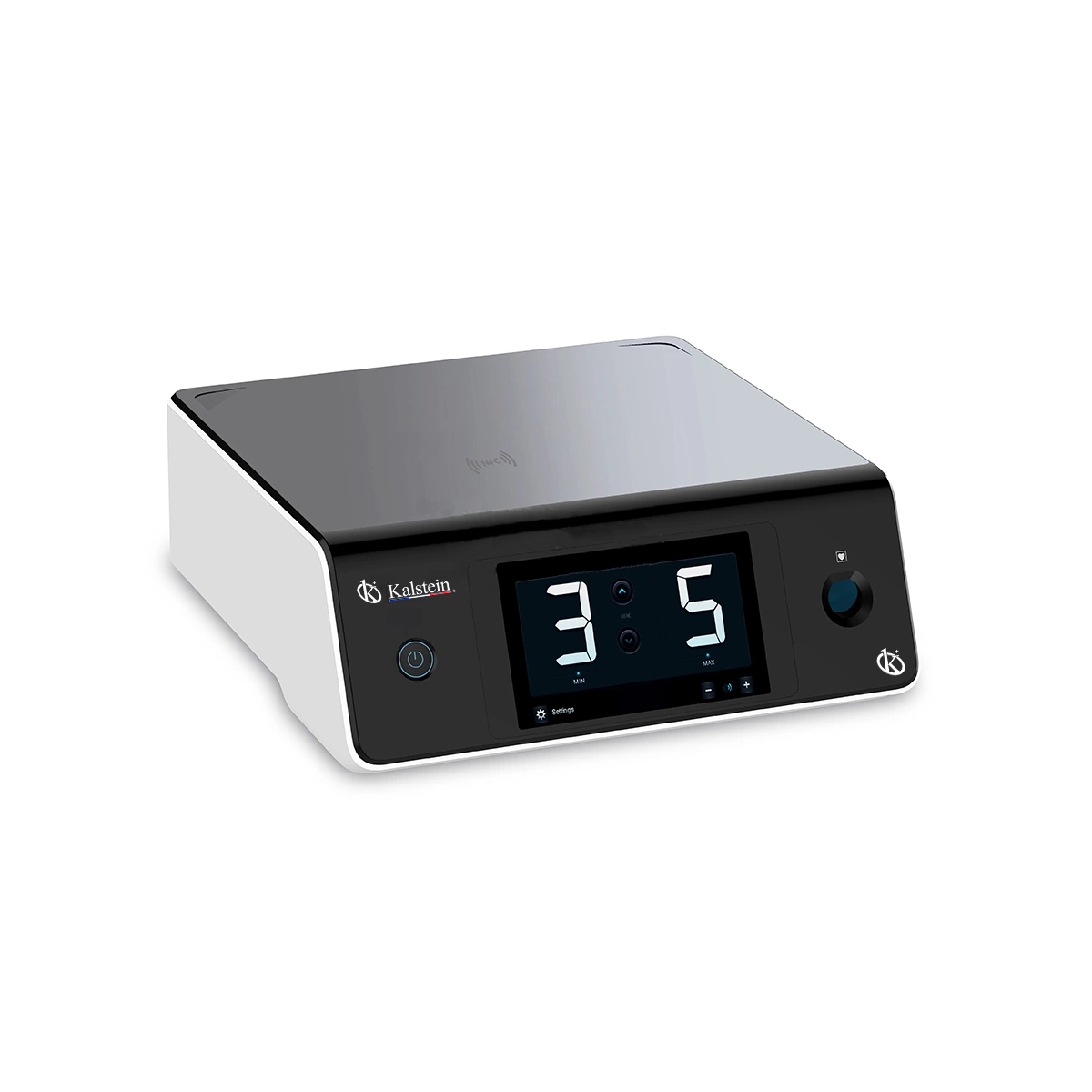
Evaluating ROI and Cost-Benefit Analysis for Veterinary Electrosurgical Units
As the veterinary field continues to evolve, investing in advanced technologies such as electrosurgical units (ESUs) has become vital for enhancing surgical capabilities and improving patient outcomes. Understanding the return on investment (ROI) and conducting a thorough cost-benefit analysis for these devices will guide veterinary professionals in making informed purchasing decisions. This article will explore the key factors influencing ROI and how various models of veterinary electrosurgical units measure up against each other in terms of cost-effectiveness.
Understanding ROI in Veterinary Electrosurgical Units
Investing in veterinary electrosurgical units represents not just an upfront cost but a potential for long-term savings and enhanced surgical efficacy. ROI in this context can be determined by evaluating factors such as initial capital expenditure (CAPEX), operational costs (OPEX), payback period, and the overall impact on surgical throughput and efficiency.
For instance, a unit like the Veterinary Ultrasonic Scalpel YR06129 priced at $2,500, can seal blood vessels under 3 mm effectively, thereby reducing intraoperative blood loss and recovery times. Such efficiencies translate into shorter surgeries and increased patient turnover, impacting ROI positively.
Cost-Benefit Analysis Framework
A structured cost-benefit analysis framework for veterinary electrosurgical units includes evaluating the costs against the tangible benefits achieved through their use. This involves examining direct costs (purchase price, training, maintenance) and indirect costs (lost productivity, patient management). Benefits should encompass improved surgical outcomes, reduced complication rates, and enhanced operational efficiencies.
Models like the Veterinary Blood Vessel Sealing Generator YR06130 at $2,700 not only provide multifunctional capabilities but also significantly shorten procedure times, thus allowing for more surgeries within the same timeframe, which is a critical advantage in busy practices.
Comparison of Available Models
| Model | Initial Cost (USD) | Key Features | Best For |
|---|---|---|---|
| YR06129 | $2,500 | Ultrasonic cutting, stable output | General surgeries |
| YR06130 | $2,700 | High-performance energy, multifunctional | General and specialized surgeries |
| YR06131 | $3,000 | Automatic identification, less smoke | Laparoscopic and open procedures |
| YR06132 | $1,600 | Multiple coagulation modes | Open surgeries |
| YR06133 | $5,600 | Portable design, dual wavelength | Field surgeries |
| YR06134 | $5,600 | Compact, modular design | Mobile deployments |
Factors Influencing Cost-Effectiveness
Several factors influence the cost-effectiveness of veterinary electrosurgical units. The efficiency of the device, the complexity of surgical procedures, and the skill level of the veterinary staff all play critical roles.
For example, the Vascular Blood Vessel Sealing Generator (LigaSure) YR06131 reduces blood loss significantly, hence minimizing postoperative complications. This can translate into decreased emergency interventions, thereby enhancing the overall cost-effectiveness.
Capital Expenditure vs. Operational Expenditure
When analyzing ROI, distinguishing between capital expenditure (CAPEX) and operational expenditure (OPEX) is essential. CAPEX refers to the initial costs incurred when acquiring the electrosurgical unit, while OPEX includes ongoing operational costs such as maintenance, training, and consumables.
For instance, while the Veterinary Electrosurgical Unit YR06132 is relatively low at $1,600, the operational costs can vary depending on the specific applications in a surgical setting. Evaluating these costs can help veterinary practices develop a clearer picture of the long-term financial implications.
Payback Period Calculation
The payback period is a critical metric in assessing ROI. This metric calculates the time it takes for the benefits accrued from the equipment to equal the initial investment. A shorter payback period indicates a more favorable investment.
For example, if a practice invests $2,700 in the Veterinary Blood Vessel Sealing Generator YR06130, and it allows for five additional surgeries per month at a profit of $500 per surgery, the payback period would be approximately 1.5 months.
Common Mistakes and How to Avoid Them
Many practices make critical errors when assessing ROI for veterinary electrosurgical units. A common mistake is underestimating ongoing costs associated with maintenance and training. Furthermore, not considering the indirect financial benefits, such as improved client satisfaction and retention, can lead to skewed analyses.
For instance, investing in a unit like the Veterinary Ultrasonic Scalpel YR06129 may yield greater returns in a high-volume practice where efficiency is paramount. It is essential to take a holistic view of all costs and benefits to avoid potential pitfalls.
Frequently Asked Questions
What is the typical ROI for a Veterinary Electrosurgical Unit in a busy practice?
The typical ROI for a Veterinary Electrosurgical Unit varies, but units like the Veterinary Blood Vessel Sealing Generator YR06130 can provide rapid returns, often within 1.5 to 2 months, due to reduced surgery times and complications.
How can a Veterinary Electrosurgical Unit reduce operational costs?
A Veterinary Electrosurgical Unit, such as the Vascular Blood Vessel Sealing Generator (LigaSure) YR06131, can reduce operational costs by minimizing blood loss, which subsequently reduces the need for additional interventions and enhances overall surgical throughput.
What factors should I consider when analyzing the cost-benefit of electrosurgical units?
When analyzing cost-benefit, consider initial costs, maintenance, training, and the device's impact on surgical efficiency. For example, the Veterinary Electrosurgical Unit YR06132 offers multiple coagulation modes that can improve outcomes and reduce complications.
How do different models of Veterinary Electrosurgical Units compare in terms of cost-effectiveness?
Different models offer various benefits and costs. For instance, the Portable Diode Laser System for Veterinary Surgery YR06133 provides high flexibility at a premium cost but can yield significant efficiency gains in mobile settings.
What is the significance of the payback period in electrosurgical unit investments?
The payback period indicates how quickly a practice can recover its investment in a device. For example, the Veterinary Blood Vessel Sealing Generator YR06130 can allow practices to recoup their investment quickly due to enhanced surgical capacity.
Which Veterinary Electrosurgical Unit is best for small animal surgeries?
The Veterinary Ultrasonic Scalpel YR06129 is particularly effective for small animal surgeries, providing reliable cutting and coagulation for various procedures with minimal blood loss.
How does training impact the ROI of Veterinary Electrosurgical Units?
Proper training enhances the effective use of devices, impacting ROI positively. Units like the Veterinary Electrosurgical Unit YR06132 require staff to be well-versed in its capabilities to ensure optimal patient outcomes and economic benefit.
If you are looking for a fusion of innovation and quality, you have come to the right place. At Kalstein, we offer you the luxury of exploring our exclusive catalog of laboratory equipment. We manufacture every device to the highest standards of excellence. Our intuitive and seamless online purchasing channels are designed for your convenience, securing the most competitive prices. Hesitate no longer — we bring science to life, it is time to become part of our community.