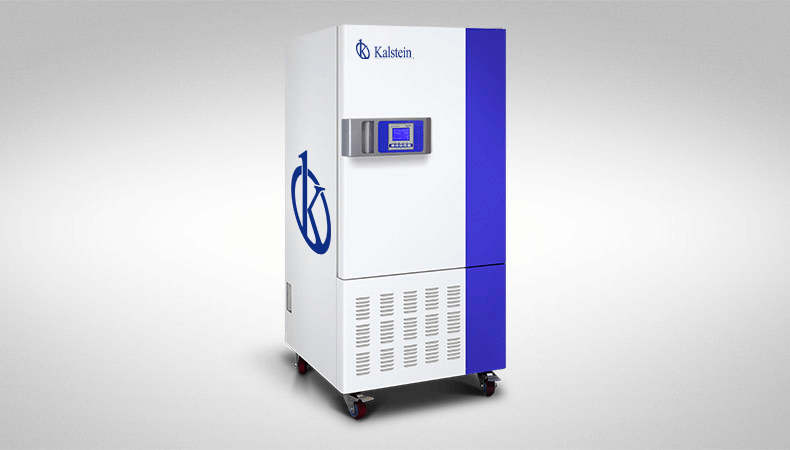
Understanding Return on Investment and Cost-Benefit Analysis for Comprehensive Drug Stability Testing Chambers
In the realm of pharmaceutical research and stability testing, understanding the financial implications of laboratory equipment is crucial. Comprehensive Drug Stability Testing Chambers are essential for evaluating drug stability under various environmental conditions. This article delves into the return on investment (ROI) and cost-benefit analysis for these testing chambers, enabling laboratory professionals to make informed decisions based on financial data.
Examining the Role of Comprehensive Drug Stability Testing Chambers
Comprehensive Drug Stability Testing Chambers play an integral role in ensuring the safety and efficacy of pharmaceuticals. They create controlled environments to assess the stability of drugs over time, considering factors such as temperature, humidity, and light exposure. Each model offers unique features that cater to different testing requirements, ranging from accelerated testing to long-term studies. Understanding the ROI from these chambers involves examining their utility in maintaining compliance with regulatory standards while balancing operational costs.
Key Financial Metrics in Cost-Benefit Analysis
When assessing the ROI of Comprehensive Drug Stability Testing Chambers, several financial metrics should be analyzed. Key metrics include initial capital expenditure (CAPEX), operational expenditure (OPEX), and the expected payback period based on laboratory usage. Evaluating these components helps laboratories determine the most financially viable options while maintaining high testing standards.
CAPEX vs OPEX: A Financial Breakdown
CAPEX refers to the upfront costs incurred when purchasing laboratory equipment, while OPEX involves ongoing costs associated with the operation of the chambers. For instance, the Comprehensive Drug Stability Testing Chamber YR05354 has a CAPEX of $2940, while the YR05355 and YR05356 models follow with respective costs of $3500 and $4910. Laboratories must evaluate these figures against their projected testing volume to derive meaningful conclusions regarding their cost-effectiveness.
Calculating Payback Periods for Different Scenarios
The payback period is the time it takes for an investment to generate enough cash flow to recover the initial costs. For example, if a laboratory using the YR05355 model anticipates a payback period of 15 months based on increased throughput, this would indicate a favorable investment. Thus, laboratories should simulate various testing scenarios to estimate their payback periods accurately.
Comparison of Available Models
| Model | CAPEX (USD) | Cost per Test | Payback (Months) | Recommended Scenario |
|---|---|---|---|---|
| YR05354 | 2940.00 | $XX.XX | YY | Low to Medium Volume Testing |
| YR05355 | 3500.00 | $XX.XX | YY | Medium Volume Testing |
| YR05356 | 4910.00 | $XX.XX | YY | High Volume Testing |
Common Mistakes and How to Avoid Them
Laboratories often make several common mistakes when evaluating the ROI of testing chambers. One frequent error is failing to include all operational costs in their analyses, such as maintenance, calibration, and consumables. Another mistake is underestimating the importance of regulatory compliance when making equipment decisions, which can lead to costly fines and delays in product approval. To avoid these pitfalls, laboratories should conduct thorough analyses and consult with financial experts to ensure all costs are accounted for in their evaluations.
Evaluating Energy Consumption and Sustainability
In today's environmentally-conscious landscape, the energy consumption of laboratory equipment is a crucial factor in ROI calculation. Comprehensive Drug Stability Testing Chambers should not only be evaluated based on their performance but also on their efficiency. Models that consume less energy, such as the YR05354, can lead to substantial savings over time, making them more appealing to sustainability-focused laboratories.
Impact of Technological Advancements on Cost-Benefit Analysis
Technological advancements in laboratory equipment often lead to improved efficiency, reliability, and user-friendliness. Modern Comprehensive Drug Stability Testing Chambers come equipped with enhanced control systems, such as microprocessor PID controllers, which streamline operation and reduce the risk of error. Laboratories need to assess how these technological upgrades can impact their overall cost-benefit analysis and ROI calculation.
Frequently asked questions
What is the expected ROI from a Comprehensive Drug Stability Testing Chamber?
The expected ROI from a Comprehensive Drug Stability Testing Chamber, such as the YR05355, can vary based on laboratory throughput and operational costs. Typically, laboratories can project a payback period ranging from 12 to 18 months, depending on their specific usage scenarios.
How do I calculate total costs associated with Comprehensive Drug Stability Testing Chambers?
To calculate total costs associated with Comprehensive Drug Stability Testing Chambers, include CAPEX for the model, such as YR05354, and all OPEX elements like utilities, maintenance, and consumables. This comprehensive approach ensures accurate financial forecasting.
What factors influence the payback period of testing chambers?
The payback period of testing chambers, like the YR05356, is influenced by factors including initial purchase price, operational efficiency, and the volume of tests conducted. Higher throughput can significantly decrease the payback period.
Which model is most cost-effective for medium volume testing?
The Comprehensive Drug Stability Testing Chamber YR05355 is most cost-effective for medium volume testing, with a reasonable purchase price of $3500 and expected operational costs that align with medium testing requirements.
What are the typical operational costs for Comprehensive Drug Stability Testing Chambers?
Typical operational costs for Comprehensive Drug Stability Testing Chambers like the YR05354 include energy consumption, maintenance, and consumables. Laboratories should budget for these ongoing costs alongside the initial purchase price for accurate ROI assessments.
How does energy efficiency impact the ROI of testing chambers?
Energy efficiency significantly impacts the ROI of testing chambers. For instance, a model like the YR05354, which boasts lower energy consumption, can reduce overall operational expenses, resulting in a quicker payback period and improved ROI.
What role does compliance play in the cost-benefit analysis of drug stability testing?
Compliance plays a vital role in the cost-benefit analysis of drug stability testing. Using models such as the YR05356 ensures adherence to regulatory standards, minimizing the risk of fines and ensuring smoother product approvals, which enhances ROI.
If you are looking for a fusion of innovation and quality, you have come to the right place. At Kalstein, we offer you the luxury of exploring our exclusive catalog of laboratory equipment. We manufacture every device to the highest standards of excellence. Our intuitive and seamless online purchasing channels are designed for your convenience, securing the most competitive prices. Hesitate no longer — we bring science to life, it is time to become part of our community.