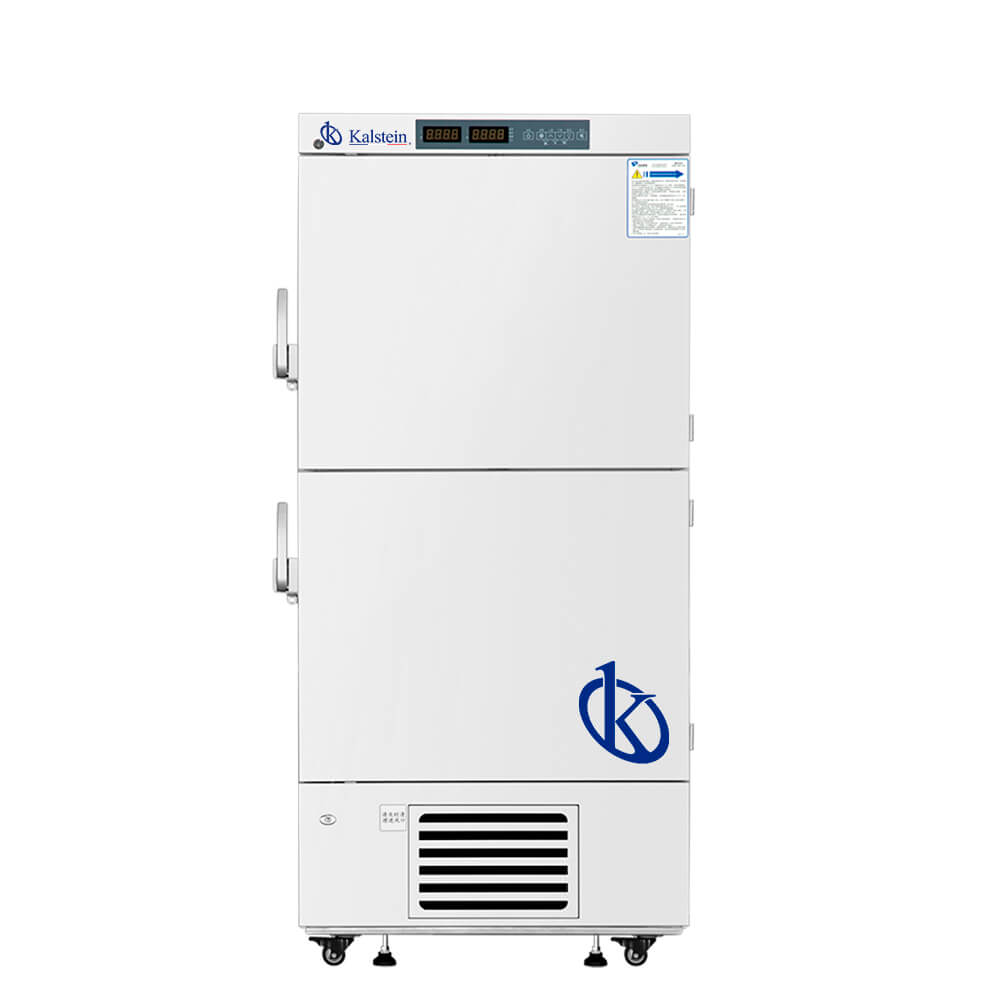
Understanding ROI and Cost-Benefit Analysis for Low Temperature Freezers
In the realm of laboratory operations, the selection of equipment is a pivotal decision that significantly impacts both output and costs. Low temperature freezers are indispensable in preserving samples and reagents, making them a cornerstone of laboratory efficiency. This article delves into the return on investment (ROI) and cost-benefit analysis of low temperature freezers, equipping laboratory professionals with the insights necessary to make informed decisions.
Framing the Importance of ROI in Low Temperature Freezers
ROI is a critical metric used to evaluate the efficiency of an investment, especially in laboratory settings where budget constraints are common. For low temperature freezers, understanding the ROI involves analyzing the initial investment against the expected benefits, such as sample preservation, energy efficiency, and operational reliability. By thoroughly assessing these factors, laboratories can strategically choose models that align with their operational goals while maximizing their resource allocation.
Comparison of Available Models
| Model | CAPEX (USD) | Cost per Test | Payback Period (months) | Best for |
|---|---|---|---|---|
| YR05100 | 1830.00 | Variable based on usage | 24 | General laboratory use |
| YR05309 | 1620.00 | Variable based on usage | 22 | Medical supplies storage |
| YR05311 | 1360.00 | Variable based on usage | 20 | Laboratory and hospital applications |
Key Factors Influencing ROI for Low Temperature Freezers
Several factors influence the ROI of low temperature freezers, including upfront costs, energy consumption, maintenance costs, and sample integrity. Energy-efficient models tend to have lower operational costs, which can lead to substantial savings over time. For example, the YR05309 model, with a power consumption of just 5.5 kWh over 24 hours, showcases a significant reduction in electricity costs compared to less efficient models.
Cost-Benefit Analysis: Breaking Down the Numbers
A detailed cost-benefit analysis not only highlights the upfront costs but also the long-term advantages, such as reduced downtime, better sample preservation, and lower energy bills. For instance, the YR05311 model, with its dual cooling systems and ability to maintain temperatures between -10°C to -25°C, ensures optimal sample storage, thus minimizing the risk of sample degradation and associated costs.
Evaluating Energy Efficiency
Energy efficiency is a paramount consideration when choosing low temperature freezers. The YR05100, for instance, has a consumption of 6.7 kWh over 23 hours, while the YR05309 operates at just 5.5 kWh – a notable difference that can lead to lower monthly bills and reduced environmental footprint. This efficiency contributes directly to the overall ROI by decreasing operational costs.
Assessing Maintenance and Reliability
Maintenance costs can significantly impact the overall ROI of low temperature freezers. Choosing models like the YR05311 that come equipped with multiple alarm systems for high/low temperatures and sensor errors ensures reliability and reduces the likelihood of costly repairs. This proactive approach to maintenance enhances the lifecycle of the equipment, further supporting a favorable ROI.
Common Mistakes and How to Avoid Them
Laboratory professionals often overlook the total cost of ownership when selecting low temperature freezers. To avoid this mistake, it's essential to account for not only the purchase price but also energy costs, maintenance, and potential downtime implications. Conducting a thorough ROI analysis that includes these factors will lead to better decision-making and ultimately, a more cost-effective investment.
Frequently Asked Questions
What is the average ROI for low temperature freezers in laboratory settings?
The average ROI for low temperature freezers typically ranges from 20 to 25 months, depending on the specific model and usage. For instance, the YR05309 model has a payback period of approximately 22 months, making it a competitive option in terms of financial returns.
How can energy consumption affect the cost-benefit analysis of low temperature freezers?
Energy consumption plays a crucial role in the cost-benefit analysis of low temperature freezers as it impacts operational costs significantly. The YR05100 model, with a consumption of 6.7 kWh, can accumulate higher energy costs compared to more efficient units like the YR05309, which consumes only 5.5 kWh, thus affecting the overall ROI.
What factors should I consider when calculating ROI for low temperature freezers?
Key factors to consider when calculating ROI for low temperature freezers include initial costs, operational expenses, maintenance, and sample integrity. For example, the durability and reliability of the YR05311 model can enhance ROI by minimizing sample loss and operational disruptions.
Which low temperature freezer model is best for medical supplies storage?
The YR05309 model is highly recommended for medical supplies storage due to its advanced alarm systems, which notify users of any temperature fluctuations that could compromise stored materials. Its reliability ensures consistent sample preservation while supporting cost-effective operations.
How does sample preservation relate to ROI for laboratory freezers?
Sample preservation is directly linked to ROI as it prevents losses due to degradation or spoilage. The YR05311 model, with two independent cooling systems, provides enhanced preservation capabilities, thus safeguarding valuable samples and reducing potential financial losses.
What maintenance practices can improve the ROI of low temperature freezers?
Regular maintenance practices such as routine checks, cleaning coils, and monitoring alarm systems can significantly improve the ROI of low temperature freezers. Model YR05309, with its robust design, simplifies maintenance and enhances long-term operational reliability.
How can I measure the efficiency of my low temperature freezer?
Efficiency can be measured by tracking energy consumption, monitoring temperature stability, and assessing sample integrity over time. For instance, the YR05100 model's performance can be evaluated based on its precise temperature control, ensuring optimal conditions for stored samples.
Conclusion
In conclusion, understanding the ROI and conducting a thorough cost-benefit analysis for low temperature freezers is critical for laboratory operations. By selecting the right model and considering factors like energy efficiency, maintenance costs, and sample preservation capabilities, laboratories can optimize their investments. For more tailored information and a quote on suitable models, please reach out to us today.
If you are looking for a fusion of innovation and quality, you have come to the right place. At Kalstein, we offer you the luxury of exploring our exclusive catalog of laboratory equipment. We manufacture every device to the highest standards of excellence. Our intuitive and seamless online purchasing channels are designed for your convenience, securing the most competitive prices. Hesitate no longer — we bring science to life, it is time to become part of our community.